Imipas Minister Sets One-Week Deadline, Investigation into Luxury Housing at Cibinong Prison Begins
Baca dalam 60 detik
- Menteri Imigrasi dan Pemasyarakatan Agus Andrianto menetapkan batas waktu tujuh hari bagi tim investigasi untuk mengusut keberadaan bangunan mewah di Lapas Cibinong.
- Investigasi akan memfokuskan pada dugaan penyalahgunaan fasilitas milik pegawai, termasuk kemungkinan adanya praktik sewa oleh narapidana.
- Temuan ini berpotensi menjadi pintu masuk penertiban menyeluruh terhadap tata kelola lembaga pemasyarakatan di seluruh Indonesia.
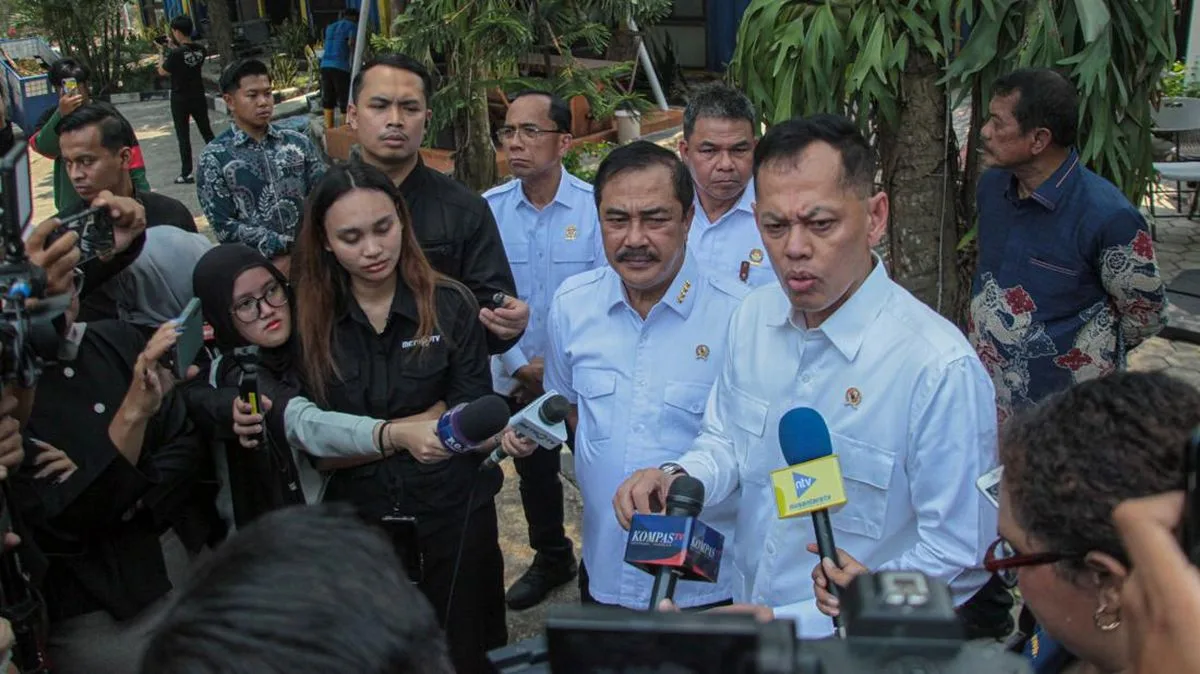
Minister of Immigration and Corrections Agus Andrianto has set a one-week target for completing the investigation into the existence of luxury housing inside the Lapas Kelas IIA Cibinong complex in Pondok Rajeg, Bogor Regency. The deadline was announced directly by Agus during an inspection of the site on Friday (25/9), marking the ministry's swift response to the Ombudsman's findings that have drawn public attention.
During the visit, Agus was accompanied by the Head of the Agency for Development Control and Special Investigation (Bappisus) Aris Marsudiyanto and the Head of Cibinong Prison Wisnu Hani Putranto. According to Agus, the main focus of the probe is to determine whether the buildings claimed as staff official residences are genuinely used for their designated purpose, or have instead been repurposed for other interests. "We will look into whether these staff houses are truly used as staff housing or utilized for other interests," Agus said, as quoted from his press statement.
Aris added that the investigation must not proceed without results. He stressed that the final report will be published to the public. "An investigation must produce results. If there are no results, then it means no work was done," he said. This statement underscores the growing public pressure for transparency in prison management, especially after the Ombudsman's findings sparked speculation about inmates renting out facilities.
Agus also highlighted that the ministry has sought to meet staff needs, from food supplies, cooperative canteens, to telephone kiosk facilities, as a form of preventing irregularities. However, he acknowledged there are still gaps that need to be closed. "This is our job to conduct an investigation. I have also repeatedly reminded staff that we have provided everything," he said. This statement implies that staff welfare should serve as a bastion of integrity, not an excuse for compromise.
Furthermore, Agus views this case as a momentum to bring other prisons across Indonesia into order. "This is a very good opportunity for us to carry out crackdowns in prisons that may indeed need to be put in order," he said. This signal indicates that the problem in Cibinong is not merely a local incident, but a symptom of structural issues in the broader corrections system.
"This is what will be looked into. So if the staff's statement is that this is staff housing, but whether it is utilized for other interests, we will investigate that together with the Bappisus team." — Agus Andrianto, Minister of Immigration and Corrections
The question regarding allegations that inmates paid rent to occupy the facilities remains unanswered. Agus has not given a definitive answer, but he assured that the probe will be conducted thoroughly. If proven, this practice would not only violate the prison's internal rules but also potentially constitute corruption and abuse of authority.
The Cibinong Prison case mirrors how vulnerable the governance of correctional institutions in Indonesia is to the infiltration of economic interests. Luxury housing inside a prison, if indeed utilized by certain inmates, creates a sharp disparity with the cell conditions that have long been complained about due to overcrowding. The public is certainly waiting to see whether this one-week investigation will produce a significant legal breakthrough, or merely become a ceremonial exercise. The question is, how far is the state willing to dismantle a network that may involve actors beyond the prison walls?