Fire Emblem: Fortune's Weave Launches on Switch 2, Offers Dual-Era Narrative and Broader Exploration
Baca dalam 60 detik
- Nintendo resmi merilis Fire Emblem: Fortune's Weave untuk Switch 2 pada 17 September 2026, menandai babak baru waralaba strategi legendaris.
- Game ini mengusung struktur dua linimasa yang memungkinkan pemain mengubah masa lalu untuk memengaruhi masa depan, plus eksplorasi kota dan dungeon yang lebih hidup.
- Bagi penggemar berat maupun pendatang baru, Fortune's Weave menawarkan keseimbangan antara kedalaman taktis dan aksesibilitas ala JRPG modern.
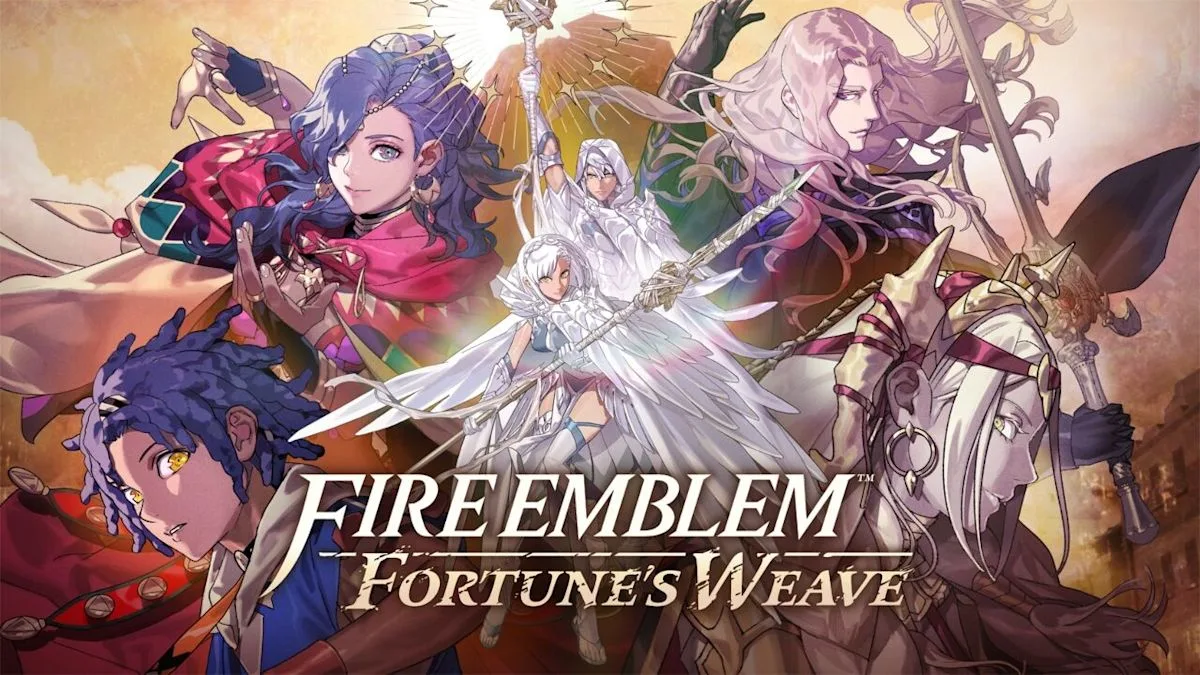
Nintendo is once again expanding the world of Fire Emblem with the release of Fire Emblem: Fortune's Weave, exclusively for Nintendo Switch 2 on 17 September 2026. The title is positioned as a major evolution of the franchise, drawing roots from Three Houses and Engage while offering a narrative approach never seen before.
Unlike previous entries, Fortune's Weave adopts a dual-timeline structure. The story begins in the future after the Heroic Games—a tournament held to honor King Dagda—has reshaped the world order. Players are then taken back to the past to influence the outcome that determines the present. This approach gives players the freedom to see how decisions in one era affect the next, while reinforcing the character-driven storytelling tradition that defines the series.
Four protagonists—Cai, Dietrich, Theodora, and Leda—have motivations that clash with one another. Cai fights to free his father from prison, Dietrich seeks a stronger opponent, Theodora wants to realize the dream of her homeland, and Leda demands vengeance for her father's murder. According to the developers, these four paths not only enrich each character's arc but also determine the future direction of Dagda.
On the gameplay side, Fortune's Weave expands the leisure-time activities introduced in the modern series. In the city of Dagsion, players can train at the Arena, buy equipment at the Shopping Arcade, obtain Blessings at Temple Row, rest at Inns, and take certification exams to unlock new classes. All of this is designed to create a dynamic rhythm between tactical battles and character development.
Dungeon exploration is a significant addition. Players can explore various underground areas in Dagda to find rare equipment, gather materials, and face powerful enemies with an alternative combat system. This feature adds variety between the main battles, which still rely on positioning, terrain, and unit strength.
"We want to make sure that both veterans and newcomers can experience the tactical depth of Fire Emblem without feeling overwhelmed," a Nintendo representative said in an official statement.
The Blaze Arts mechanic allows heroes to unleash powerful moves at the cost of HP, filling the Blaze Gauge and creating a structured risk-reward choice. Meanwhile, Blessings obtained from temple activities provide temporary stat boosts that can be upgraded over time. Each hero's special ability on the world map also affects exploration and combat, giving each protagonist a unique strategic value.
The Heroic Games themselves serve as the main framework for many battles. Each match can feature unique rules or terrain effects, pushing players to adapt. This structure not only provides variety but also reinforces the cultural significance of the tournament in Dagda's narrative.
For the Indonesian market, the presence of Fortune's Weave on Switch 2 could energize the community of JRPG and strategy fans who have long formed a loyal niche. Although Switch 2 has not been officially widely marketed in Indonesia, enthusiasm for the Fire Emblem franchise remains high, as seen in active discussions on forums and social media. This opportunity could be leveraged by local distributors to provide import access or even design community campaigns.
From an industry perspective, Nintendo's move strengthens the Switch 2's position as a leading platform for quality exclusive games. By combining a classic formula with an innovative time structure, Fortune's Weave aims to appeal to the older generation while reaching new players who enjoy narrative RPGs. The question is whether this dual-timeline approach will become a new standard for the Fire Emblem series going forward, or an experiment that is difficult to replicate.