Ombudsman Denied Twice at Cibinong Prison, Finds Luxury Villas and Mini Golf Plans
Baca dalam 60 detik
- Tim Ombudsman RI mengalami penolakan berganda saat hendak menginspeksi Lapas Cibinong, meski telah membawa surat tugas resmi.
- Di dalam area terbatas, penyidik menemukan deretan hunian bergaya vila dengan pendingin ruangan, televisi layar besar, dan botol minuman keras.
- Lembaga pengawas menuntut pembongkaran bangunan dalam sebulan dan akan menyampaikan rekomendasi korektif kepada Direktorat Jenderal Pemasyarakatan.
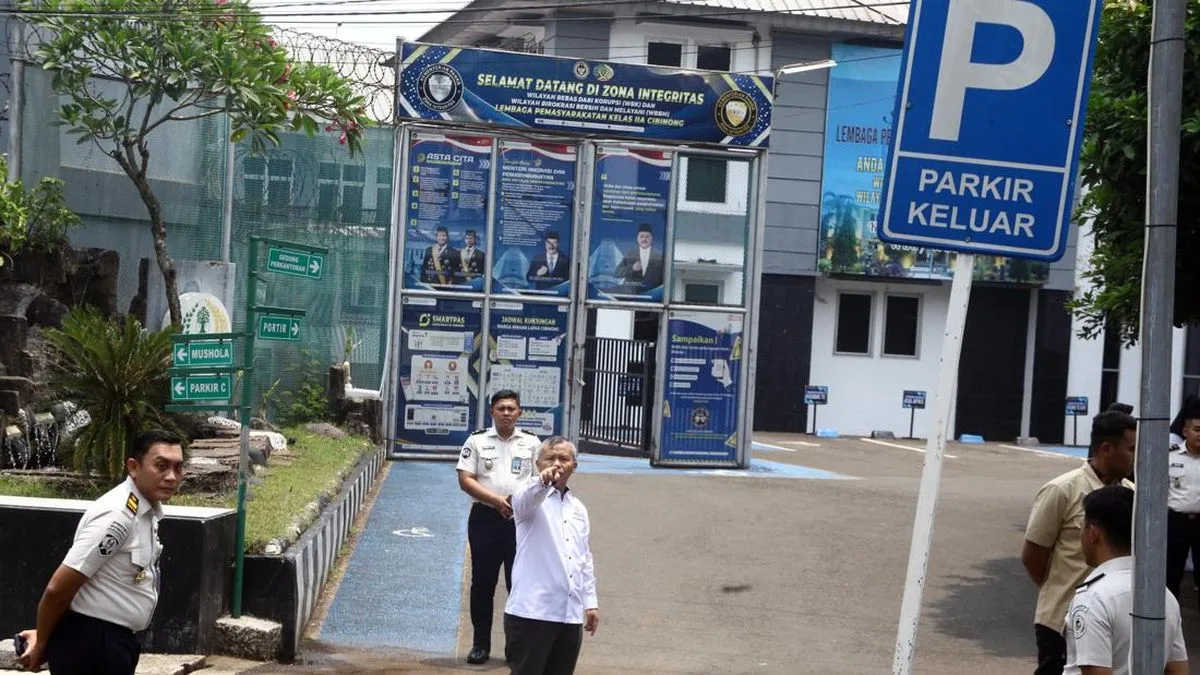
Ombudsman RI member Syafrida Rachmawati revealed that her team had to endure two rejections before finally getting through the gates of Cibinong Prison in Pondok Rajeg, Bogor Regency, on Thursday (24/9). The team had brought an official assignment letter and had never received similar treatment at other correctional technical implementation units.
The incident goes beyond the question of entry access. When they were finally allowed in after a shoving match with security officers, the team found an unusual sight: a number of fully equipped row houses—which Syafrida described as resembling mini villas—standing near the official residence of the head of the Class IIA prison. Inmates are suspected of occupying those dwellings by paying a sum of money.
"We have conducted inspections at several prison UPTs and never experienced rejection. Why were we rejected here? This is the second time," Syafrida said on Thursday (24/9).
The first rejection came without explanation. The team was asked to wait about half an hour without certainty, while the prison head was not present to accompany them. On the second attempt, the team forced its way in even though there was a brief physical confrontation with officers. After getting inside, the Ombudsman found that the area had no permanent fence—only bushes and clumps of bamboo separating it from the outside environment, raising concerns about potential unsupervised access in and out.
These findings reinforce suspicions that special treatment practices inside correctional institutions are still ongoing. If inmates did pay to occupy luxury dwellings, there are indications of abuse of authority involving officers. The Ombudsman has not yet traced the money flow further, but initial admissions from residents serve as an entry point for the investigation.
Syafrida stressed that her office would demand the demolition of the buildings within one month. The corrective action will be submitted to the Directorate General of Corrections (Ditjenpas) as part of the review sheet from the inspection. "We will ask for it as soon as possible. We will conduct another inspection, possibly in less than a month," she said.
The Cibinong Prison case is not the first to tarnish the face of Indonesia's correctional system. In recent years, various similar findings—from exclusive facilities to the circulation of contraband—have shown weaknesses in internal oversight. The Ombudsman, as an external supervisory body, should have unimpeded access. The rejection experienced by the team is itself an indication that certain parties have an interest in covering up the actual situation.
For the public, this incident is a test of the government's commitment to reforming prison governance. If the Ombudsman's recommendations are ignored, trust in the correctional system could erode further. Conversely, carrying out the demolition and taking firm action against those involved would signal that there is no room for special treatment behind bars.
The question now: will Ditjenpas move quickly before the next inspection, or will it once again run into the same wall of rejection?