Ombudsman Exposes Luxury Cluster and Illegal Fees at Cibinong Prison: Golf Simulator to House Rentals
Baca dalam 60 detik
- Ombudsman RI menemukan puluhan unit hunian bergaya klaster dan mobil mewah di dalam Lapas Kelas IIA Cibinong, lengkap dengan fasilitas fitness dan simulator golf yang sedang dibangun.
- Penghuni mengaku membayar sejumlah uang untuk menempati rumah tersebut, sementara keluarga warga binaan mengeluhkan pungutan mingguan yang tidak jelas asal-usulnya.
- Kementerian Imigrasi dan Pemasyarakatan diminta mengevaluasi menyeluruh, sementara pengamat menilai praktik ini mencerminkan lemahnya pengawasan dan berpotensi menimbulkan kerugian negara.

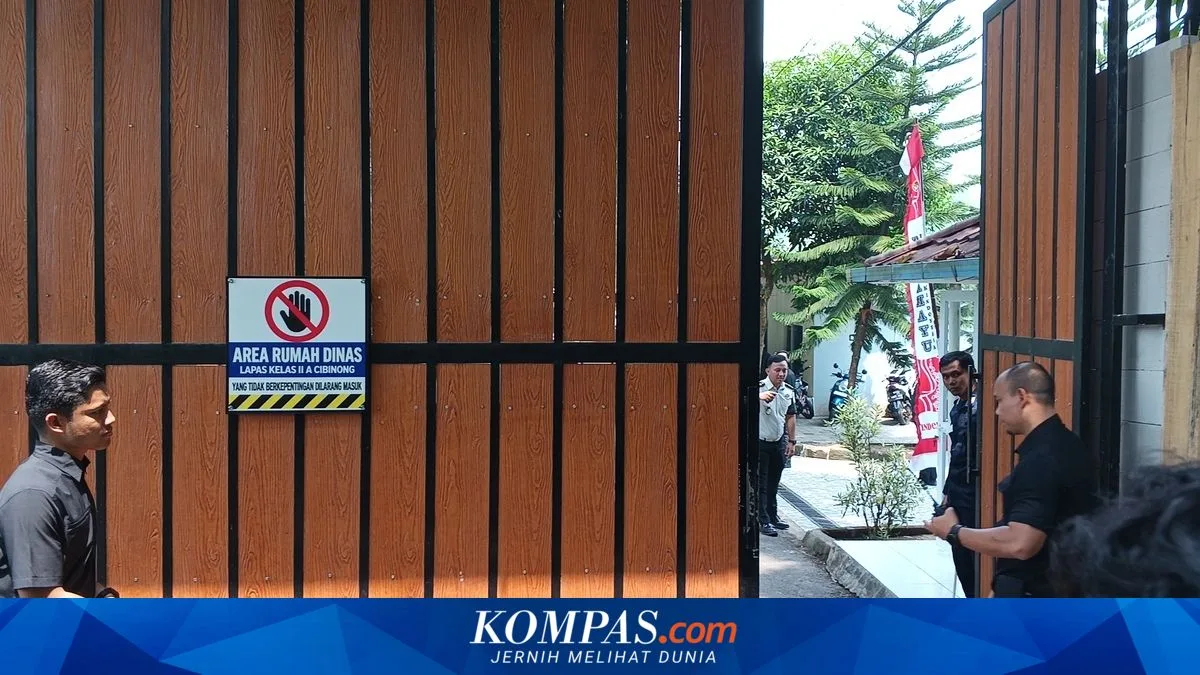
A surprise inspection conducted by the Indonesian Ombudsman at Cibinong Class IIA Prison, Bogor Regency, West Java, on Wednesday (23/9/2026) lifted the veil on a dark side behind prison walls. The public service watchdog found an exclusive residential area far removed from the image of a prison cell, resembling even a housing cluster with luxury facilities.
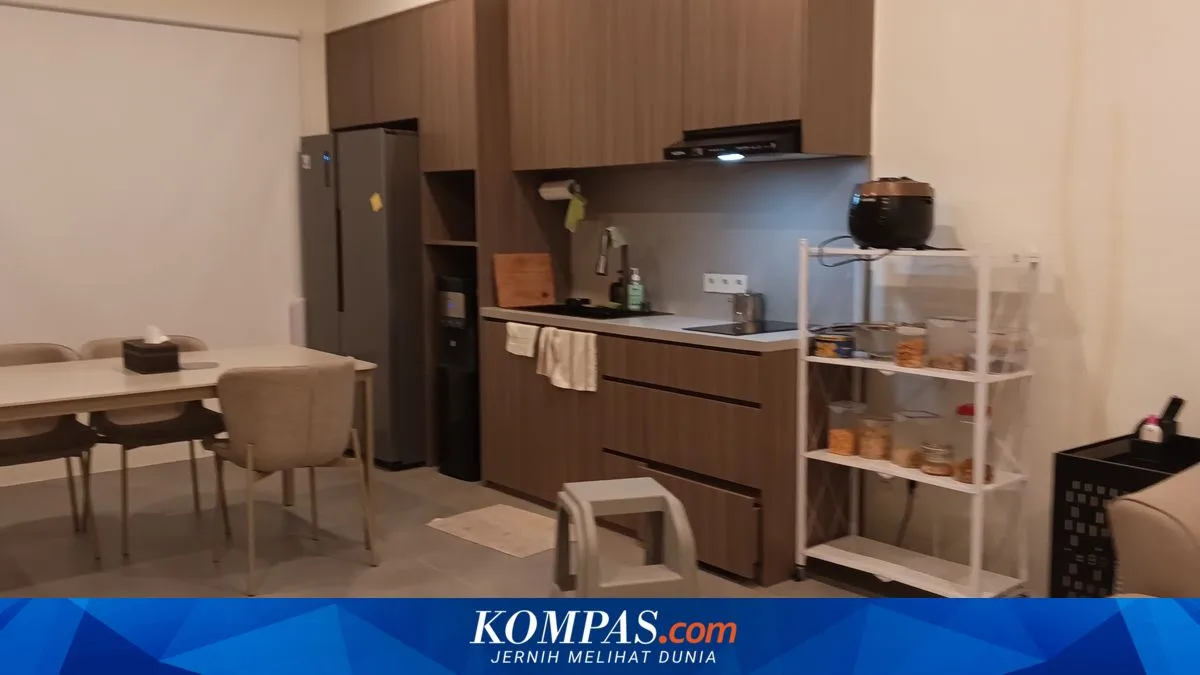
Ombudsman member Syafrida Rachmawati Rasahan revealed that more than ten permanent buildings stood in the area, occupied by a number of inmates. Several units were equipped with sofas, refrigerators, televisions, dining tables, and even separate bedrooms. Not only that, the team also found a fitness room with complete equipment and an ongoing golf simulator construction project. "We found several residential locations around the prison in the form of buildings that look like homestays with blue-painted zinc roofs and something like cluster houses, inside containing sofas, refrigerators, TVs, dining tables," Syafrida said at a press conference in Jakarta, Thursday (24/9/2026).
Beyond the improper facilities, the Ombudsman highlighted a serious security gap. Behind the row houses there was an unlocked exit access directly connected to a bamboo forest and a garbage dump. This condition raises concerns about the potential for escapes, smuggling of contraband, or even other more organized illegal activities.
Allegations of commercialization also emerged. Syafrida revealed that based on an interview with one resident, the person admitted to paying a sum of money to be able to occupy the house. "He did pay a sum but the amount was not mentioned. It was indeed commercialized. Now this is what we need to dig into further," she explained. This practice is strongly suspected to involve individual officers or internal prison parties exploiting loopholes for personal gain.
Another finding that was no less troubling was the existence of illegal fees (pungli) that inmates' families had to pay each time they made a visit. "They mentioned there were illegal fees there that they had to fulfill every week. But it is unclear whether those were levied by officers or by fellow inmates or prisoners," Syafrida added. The ambiguity of the actors behind these illegal fees indicates weak internal oversight and minimal transparency in prison governance.
"We ask the Ministry of Immigration and Corrections to conduct a thorough evaluation. The Ombudsman is ready to collaborate in improving services, while ensuring the public gets its right to be served by state administrators," Syafrida stressed.
For readers in Indonesia, especially professionals and investors, this case is not merely a violation of administrative ethics. The commercialization of prison facilities and illegal fees reflect poor governance of correctional institutions that can affect the investment climate and public trust in law enforcement. When correctional institutions lose integrity, the multiplier effect on social and economic stability becomes unavoidable. In addition, the potential state losses from asset misuse and illegal levies could reach significant figures if not immediately followed up.
The Cibinong Prison case adds to the long list of problems in Indonesia's correctional institutions. Previously, various prisons across the country had also been mired in similar issues, from drug circulation to luxury facilities for certain inmates. This recurring pattern indicates the need for structural reform, not merely the rotation of officials. Inherent oversight from the inspectorate general and civil society participation are key to breaking the chain of illegal practices inside prison walls.
Going forward, the public will await concrete steps from the Ministry of Immigration and Corrections. Will the evaluation requested by the Ombudsman lead to firm sanctions and systemic improvements, or will it again evaporate without results? The answer to this question will determine the direction of correctional governance reform in Indonesia.