Ombudsman Uncovers Commercialization of Luxury Houses and Illegal Fees at Cibinong Prison, Ferdy Sambo to Harvey Moeis Among Inmates
Baca dalam 60 detik
- Ombudsman RI menemukan dugaan komersialisasi klaster rumah mewah dan pungutan liar di Lapas Kelas IIA Cibinong, Bogor.
- Lapas tersebut menampung sejumlah narapidana kasus besar seperti Ferdy Sambo, Ricky Rizal, Kuat Ma'ruf, dan Harvey Moeis.
- Temuan ini memicu pertanyaan tentang pengawasan lembaga pemasyarakatan dan potensi kriminalisasi praktik pungli.
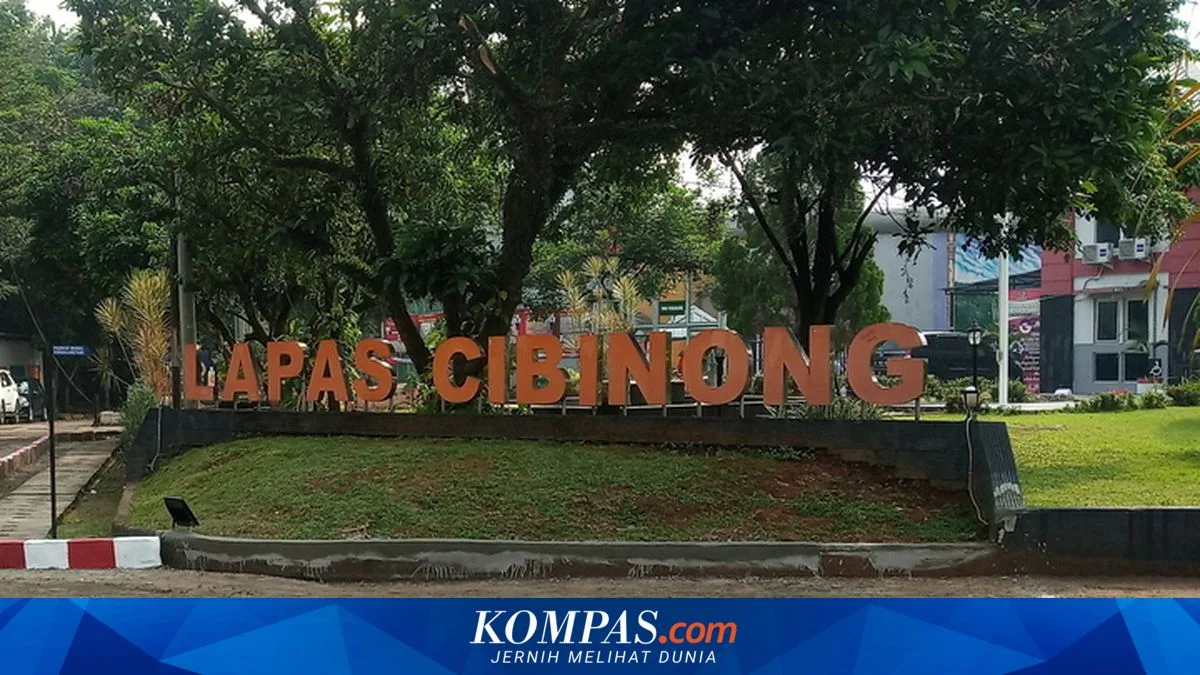
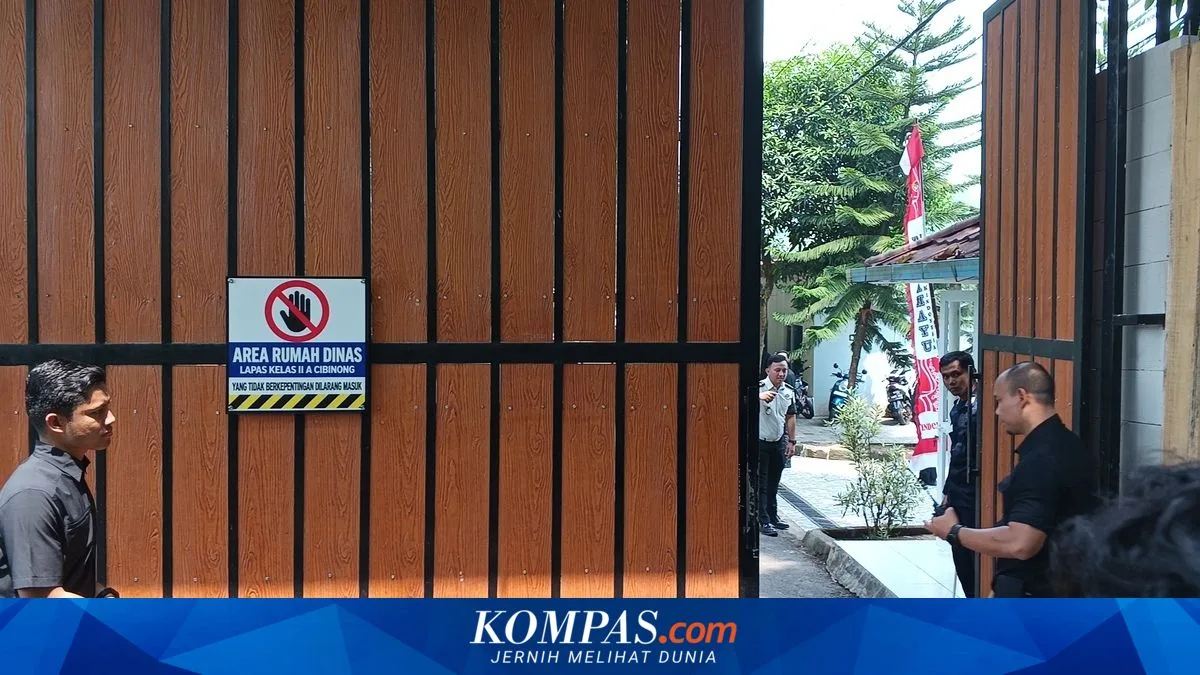
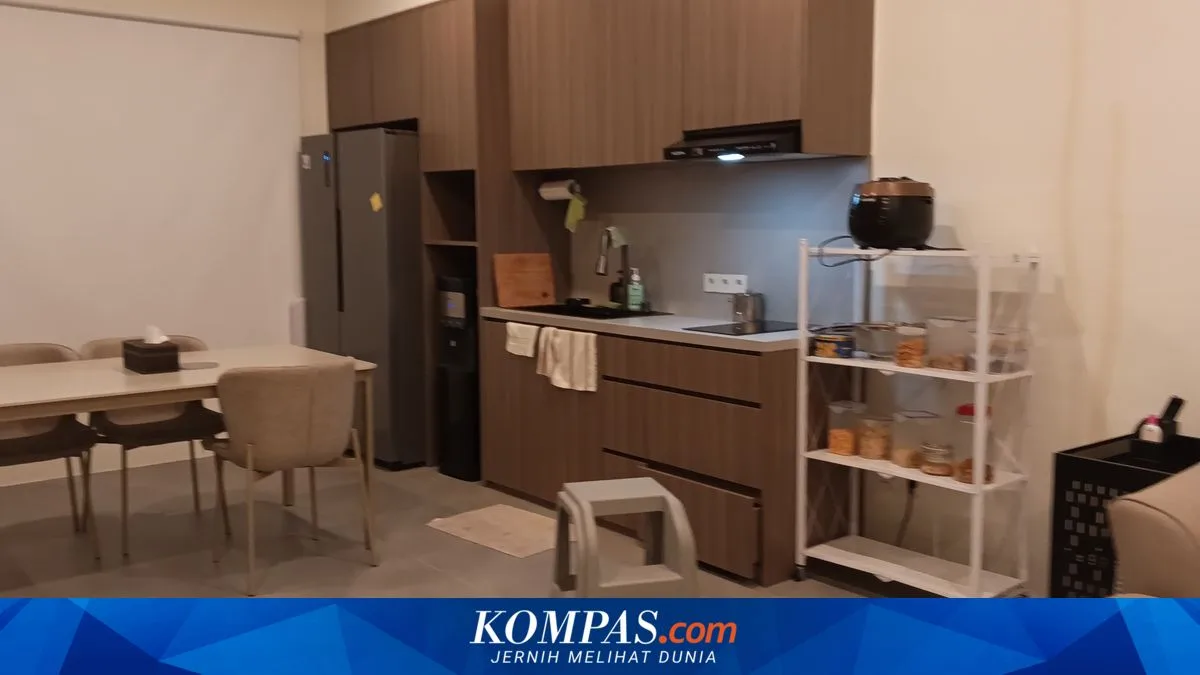
The Ombudsman of the Republic of Indonesia has sniffed out shady practices at Cibinong Class IIA Prison in Bogor, West Java. The public service watchdog found indications of commercialization of a number of houses claimed to have luxury facilities inside the prison area, as well as illegal fees burdening the families of inmates. The findings were announced on Wednesday (23/9/2026) and immediately drew attention because Cibinong Prison has long been known as a place holding inmates in major cases, from Ferdy Sambo to Harvey Moeis.
Ombudsman member Syafrida Rachmawati Rasahan revealed that her team interviewed one resident of the luxury house cluster. The resident admitted to paying a sum of money, though the amount was not mentioned, to occupy a unit that was commercialized. "Based on our interview, the person did pay, but the amount was not mentioned. It was indeed commercialized. This is what we need to look into further," Syafrida said at a press conference in Jakarta on Thursday (24/9/2026).
Not only about the houses, the Ombudsman also received reports of illegal fees that families of inmates had to pay every week. Syafrida said she could not yet confirm whether the illegal fees were collected by prison officers, fellow inmates, or other parties. "The families of inmates mentioned there are illegal fees they have to pay every week. But it is not yet clear who is behind them," she added.
Cibinong Prison has indeed been a magnet for attention because it houses a number of high-profile inmates. Ferdy Sambo, former head of the National Police's Propam Division, is serving a life sentence for the murder of Brigadier Nofriansyah Yosua Hutabarat. Two of his trusted men, Ricky Rizal and Kuat Ma'ruf, are also locked up there with sentences of eight and ten years respectively. More recently, Harvey Moeis, convicted in the tin trading corruption case at PT Timah Tbk, followed to the same prison.
Luxury facilities in prisons are nothing new in Indonesia. Several previous cases have surfaced, such as air-conditioned cells and special access for certain inmates. However, the Ombudsman's latest findings highlight economic transactions behind prison walls. If commercialization is indeed taking place, it could violate the principle of equality before the law and widen the gap between inmates who can afford it and those who cannot.
"This is what we need to look into further. We will ask for clarification from the prison and the Ministry of Immigration and Corrections," Syafrida stressed.
For readers in Indonesia, especially professionals and investors, this case is not merely a criminal law story. A poor reputation for correctional institutions can erode trust in law enforcement as a whole. When illegal fees and commercialization are allowed to persist, investment risk in the property sector and businesses that deal with local governments also rises because of a weak governance climate. In addition, the state budget for corrections could be eroded if there are leaks due to unofficial levies.
The Ombudsman plans to summon relevant parties to investigate further. The Ministry of Immigration and Corrections has not yet given an official response. Meanwhile, the public is waiting to see whether these findings will lead to sanctions or merely become an annual report that evaporates. The big question: will similar practices also occur in other prisons across Indonesia? If left unchecked, Indonesia's law enforcement image could be further tarnished.