Private School Teachers Still Marginalized in Education Welfare Agenda
Baca dalam 60 detik
- Anggota Komisi X DPR RI menyoroti ketimpangan perhatian terhadap kesejahteraan guru swasta yang selama ini kalah dibanding guru negeri.
- Data kerusakan sarana pendidikan mencapai 1,3 juta ruang kelas dari total 1,8 juta unit, memicu desakan pengawasan anggaran revitalisasi.
- Dukungan terhadap program sekolah gratis perlu diimbangi jaminan afirmasi bagi tenaga pendidik non-negara agar tidak menjadi beban baru.
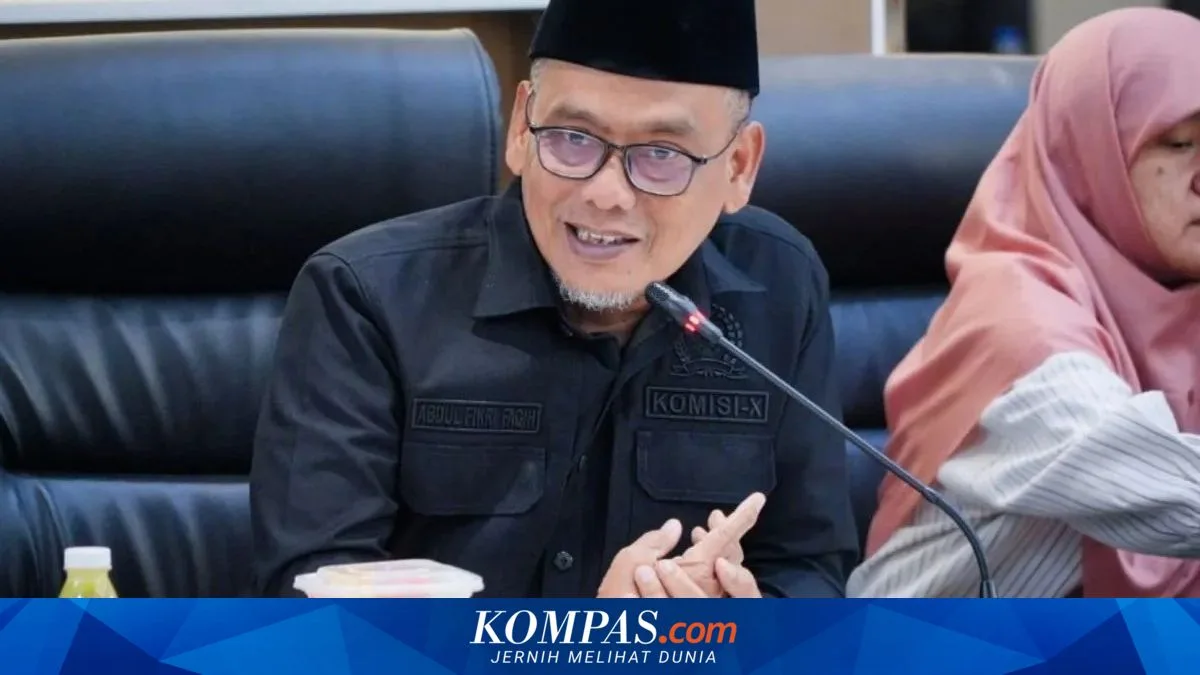
Member of Commission X of the Indonesian House of Representatives (DPR RI), Abdul Fikri Faqih, asserted that the educator welfare policies implemented so far have not adequately reached teachers in private schools. In a written statement received by LyndHub on Thursday (24/9/2026), the Prosperous Justice Party (PKS) politician assessed that advocacy for non-state teaching staff remains a major unfinished task that has escaped the government's attention.
“Teachers in state schools have begun to receive attention, but what about those who serve in private institutions? There needs to be equal affirmation and advocacy,” said Fikri, underlining the importance of broader alignment. He highlighted that discussions on educator welfare should not stop at state employment status, but should cover all teaching staff, including those working in private schools.
The criticism emerged amid the government's plan to make education free from elementary school through university. Fikri supports the move, but reminded that the mandate of the Constitutional Court ruling on free school facilities for elementary and junior high schools—both state and private—must be implemented consistently. With the education budget ceiling reaching Rp 820 trillion and the allocation for the 13-Year Compulsory Education Program worth Rp 31.8 trillion in the 2027 Fiscal Year, he assessed that the government has sufficient fiscal space to realize the mandate.
Beyond the welfare issue, Fikri highlighted the crisis in educational facilities that has not been seriously addressed. He disclosed data for the 2014–2024 period showing that around 1.3 million classrooms are damaged out of a total of 1.8 million units. Only around 466,000 classrooms are declared fit. According to him, this figure indicates that school revitalization must not be merely a ceremonial project, but requires strict oversight from the legislature and civil society.
“The allocation of revitalization funds must be intensively supervised so that repairs to damaged schools can be realized immediately, not merely planned,” Fikri stressed in the same statement.
Fikri's statement highlights two interrelated structural problems: teacher welfare and the quality of education infrastructure. If private school teachers remain marginalized, there are concerns about a disparity in teaching quality that ultimately harms students in non-state schools. Meanwhile, the massive damage to classrooms could hamper the effectiveness of the expanded compulsory education program.
From a public policy perspective, support for free schools needs to be accompanied by a clear incentive scheme for private school teachers. Without it, the operational burden on private schools could increase, while the income of teaching staff does not improve. The government is also urged to design a fair, transparent, and well-targeted fund transfer mechanism, including considering geographic conditions and regional fiscal constraints.
For stakeholders in the education sector, this signal from the DPR indicates that the issue of private school teachers will be one of the points of debate in upcoming budget discussions. Investors and education industry players also need to closely monitor the direction of this policy because it could affect the landscape of school administration, from operational costs to the attractiveness of the teaching profession.
Going forward, the question is no longer whether the state is fiscally capable, but how to ensure that every rupiah of education funds truly reaches the classroom and the pockets of educators—both state and private. Without strict oversight and equitable affirmation, the aspiration of quality free education will only become numbers on paper.