Hyundai Poised to Overtake Ford in Q3 as Detroit's Pickup Dominance Starts to Crack
Baca dalam 60 detik
- Cox Automotive memproyeksikan penjualan Hyundai di AS mencapai 511.421 unit pada kuartal III, melampaui Ford yang diperkirakan turun menjadi 504.172 unit.
- Ketiadaan model hybrid di lini produk Ford dan General Motors dinilai menjadi penyebab utama tertinggalnya permintaan di tengah harga bensin yang masih tinggi.
- Toyota juga terus memangkas jarak dengan GM, memicu spekulasi bahwa posisi pemimpin pasar otomotif AS bisa berubah untuk kedua kalinya dalam sejarah.
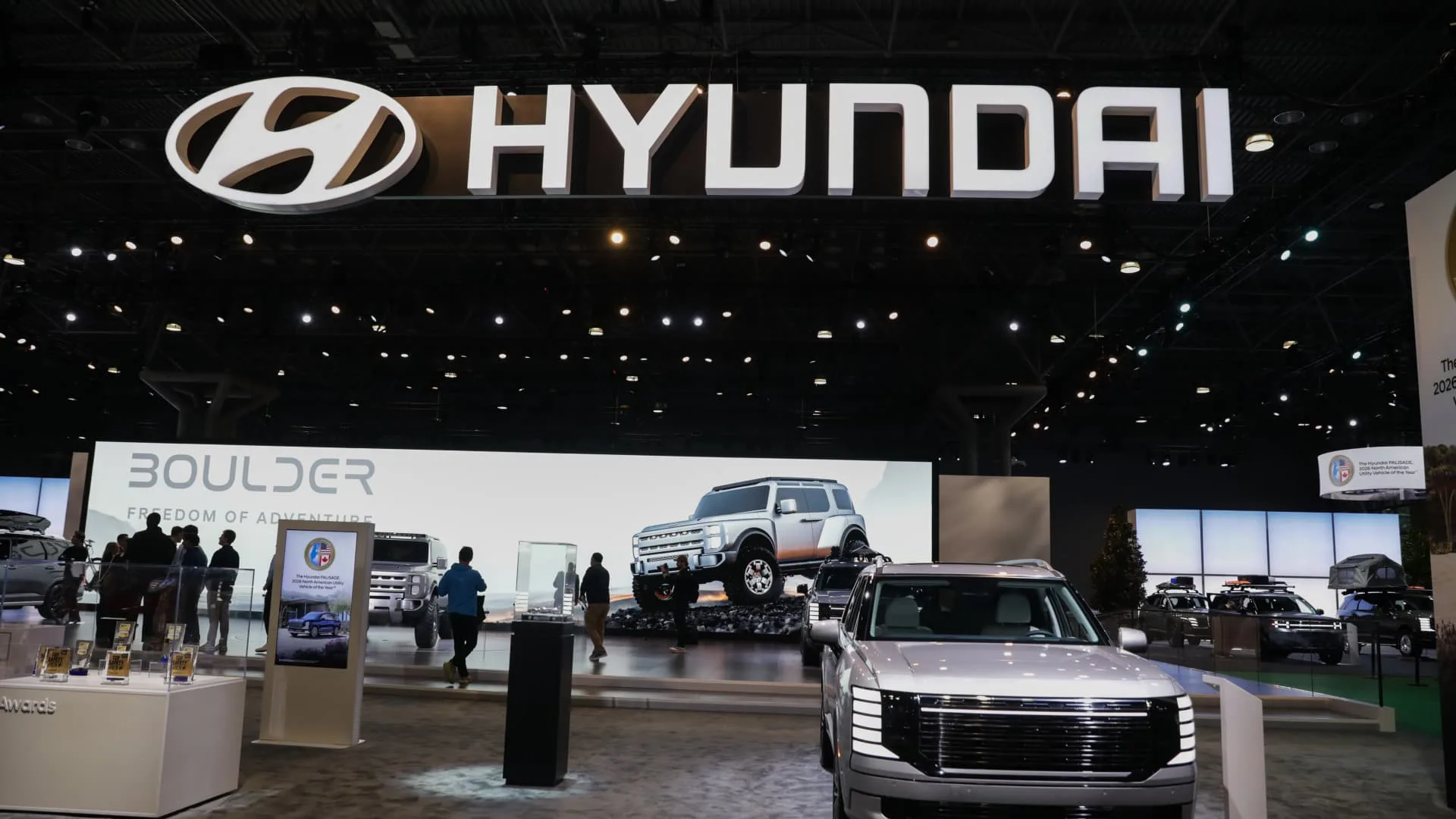
Hyundai is projected to overtake Ford in quarterly sales in the United States for the first time, according to the latest forecast from Cox Automotive. The automotive research firm estimates Hyundai's sales from July to September will reach 511,421 units, up 6.5% from the same period last year, while Ford is expected to fall 7.1% to 504,172 units.
If the projection materializes, Hyundai will take third place among the best-selling brands in the US, displacing Ford and sitting only below General Motors and Toyota. The shift marks a changing competitive landscape that has been dominated by the three Detroit giants for decades.
Hyundai's performance is tied to an aggressive expansion strategy, including its reliance on electrified vehicle lines and competitively priced models. The South Korean brand is also supported by Genesis in the premium segment and Kia as a corporate sibling. Ford, by contrast, is still grappling with the fallout from production disruptions to its F-Series pickups caused by two supplier fires last year that disrupted supply and sales.
Cox Automotive analysts highlight the absence of hybrid models across most of Ford's and GM's product lines as a structural factor slowing demand. GM offers a hybrid version only for the Corvette, while Ford relies on the Maverick and F-150. Meanwhile, Toyota, known as the hybrid leader, keeps narrowing its sales gap with GM. Year to date, Toyota trails GM by less than 121,100 units.
"If you don't have a vehicle that can reach consumers where they are right now, then other manufacturers will fill that gap," said Erin Keating, executive analyst at Cox Automotive.
Hyundai CEO José Muñoz stressed that overtaking Ford is not the company's main target. According to him, Hyundai's focus is delivering quality and safe products for consumers. "We focus on execution, and the result is an outstanding achievement," he told CNBC last month.
Pressure on Detroit manufacturers also comes from the deregulation of emissions and fuel efficiency standards during the Trump administration. Instead of accelerating electrification, Ford and GM have doubled down on large-displacement V-8 engines in pickups and SUVs. That move is seen as risky when gasoline prices remain high and consumers are starting to shift to fuel-efficient vehicles.
Stellantis, the parent of Chrysler and Jeep, is expected to post a 1.3% sales decline in Q3, though it is still up 2.8% year over year thanks to its corporate transformation program. Cox also revised its 2026 US new vehicle sales forecast to 16.1 million units, up about 2% from its previous estimate.
Indonesian Context
The shifting US automotive map has implications for the Indonesian market, especially because Hyundai and Toyota have strong production bases and distribution networks in the country. Hyundai has operated a plant in Cikarang and made Indonesia its electric vehicle production hub for the ASEAN region. If Hyundai becomes more aggressive in the global market, the allocation of hybrid and electric models and technology for Indonesia could also get a boost.
On the other hand, Ford's and GM's reliance on gasoline-powered vehicles is a lesson for the national automotive industry. Indonesia is pushing an energy transition through electric vehicle incentives and the development of a battery ecosystem. Manufacturers that are slow to adapt to consumer preferences for fuel efficiency risk losing market share, as Detroit's giants are now experiencing.
The question is whether Hyundai can sustain this momentum through the end of the year, or whether Ford and GM will bounce back with a more aggressive hybrid strategy. What is clear is that competition in the global automotive market is increasingly determined by the speed of innovation, not merely brand heritage.