Bolivia's Gas Runs Dry, 'Economic Miracle' Collapses: Lessons for Resource-Rich Nations
Baca dalam 60 detik
- Bolivia menghadapi krisis ekonomi akibat cadangan gas yang menipis dan inflasi yang melonjak, setelah puluhan tahun bergantung pada ekspor komoditas mentah.
- Model negara rente membuat kekayaan gas tidak diinvestasikan untuk industrialisasi, sementara elit menempatkan dana offshore dan sektor informal melonjak ke 84%.
- Pemerintah beralih ke emas dan soya, tetapi komunitas adat di Amazon menawarkan bioekonomi berkelanjutan sebagai alternatif yang menghadapi tekanan politik.
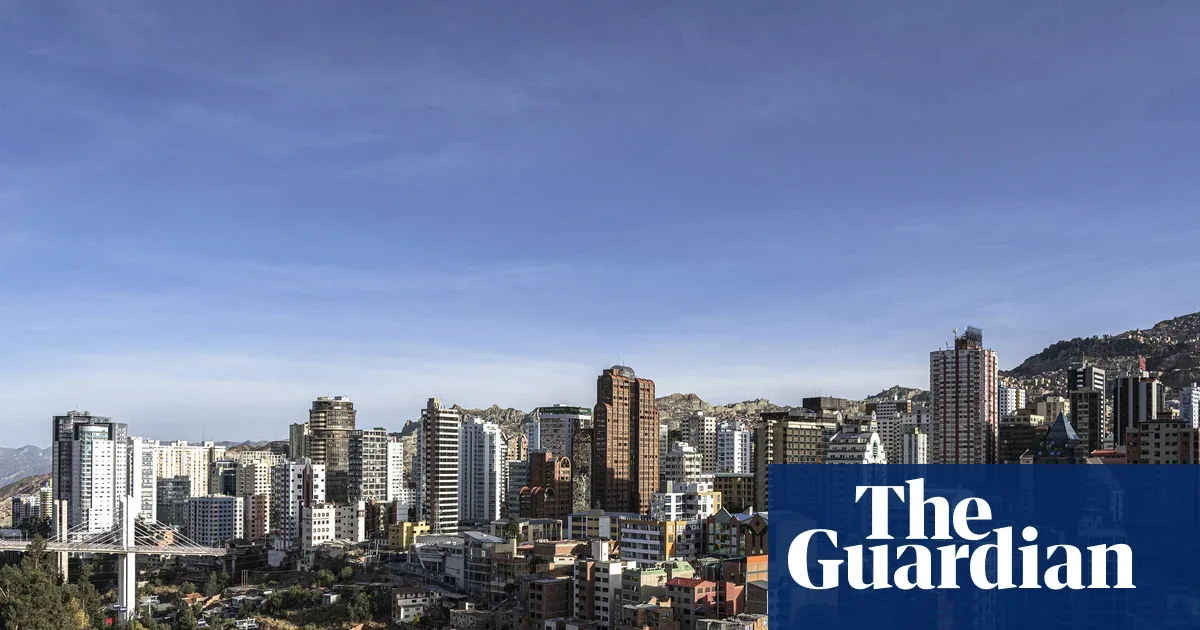
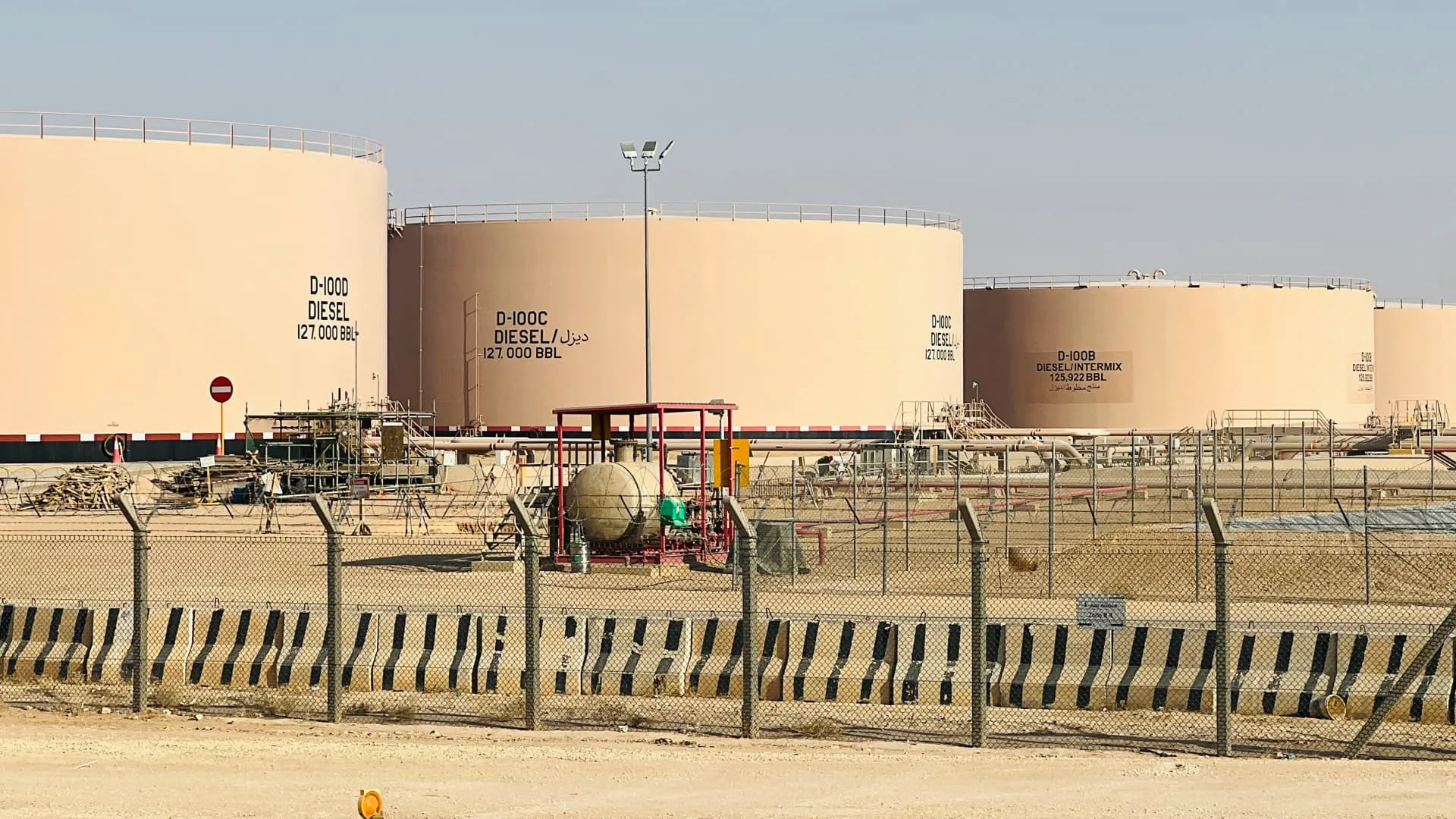
Bolivia, once dubbed the "energy heart of South America", now stands on the brink of economic crisis after its natural gas reserves shrank drastically. Inflation that was once the lowest in the region has soared, while the price of imported staples in La Paz markets is reported to have doubled. This collapse marks the end of the 2006–2014 gas boom era that once lifted millions out of poverty.
Poverty, which had been cut by half during the gas heyday, is now threatening to return. The government faces heavy pressure to find new sources of revenue, but such steps remain shadowed by the same rentier economic model. The failure to find new gas reserves, costly fuel subsidies, and capital flight are the main triggers. According to the former head of the southern Bolivian economists' association, Luis Fernando Romero, the country failed to seize a historic opportunity that brought in huge revenues.
Instead of building processing industries or value-added exports, successive governments channeled gas profits into state spending, subsidies, and maintaining a fixed exchange rate against the US dollar. As a result, when commodity prices plunged in 2014, foreign reserves were drained and gas production declined. Economist Andrés Arauz, former chief operating officer of the Central Bank of Ecuador, argues that what determines a country's fate is not state ownership of the hydrocarbon industry, but whether private sector development, diversification, and poverty alleviation accompany it. In Bolivia, that parallel investment never materialized.
Criticism of hydrocarbon nationalization often overlooks the role of capital flight. Arauz highlights that the main problem is not poor people receiving a little money, but rich people taking money out without any response from the domestic elite to build an industrial economy. Offshore funds estimated at US$10 billion—equivalent to one-eighth of GDP—worsen the dollar shortage. The fixed boliviano exchange rate once encouraged cheap imports and consumer purchasing power, but destroyed local industry. The informal sector then surged to 84% in 2024, the highest in Latin America. "Currency speculation can be more profitable than legitimate business," Arauz said.
The administration of President Rodrigo Paz faces a wave of protests after fuel subsidy cuts last December and agrarian reforms favoring agribusiness. The government later announced that the state hydrocarbon company would focus on exploration, extraction, and refining. However, with gas fields drying up, gold mining and agribusiness are growing into a new frontier in the export-oriented rentier model. "This is a recurring story of natural resource dependence," said Carlos Arze, a hydrocarbon expert from Cedla.
In Bolivia's Amazon lowlands, indigenous communities and farmers have long run alternative economic models. They gather forest fruits and nuts such as açaí, cacao, and Brazil nuts—non-timber forest products that grow naturally without logging. This bioeconomy generates income while keeping the forest intact. Biologist Vincent Vos, who has worked in the Bolivian Amazon since 2002, emphasizes that every dollar invested benefits many people. Brazil nut exports in 2024 reached £145 million, double the value of the timber sector. Nevertheless, he acknowledges that this alternative economy is still far from the value of mining or soy. Vos adds that combining sustainable forest harvesting with tourism and carbon sequestration programs could help it grow. "You can harvest soy for about 10 years and then the soil is ruined. But you can harvest Brazil nuts forever," he said.
However, expanding green alternatives faces major political obstacles. Mining and agro-industry lobbies are increasingly powerful over a government that has sidelined environmental policy. "Cacao and açaí have no power compared to that," Vos said. Arauz also warns against relying on other commodity exports. "Continuing to export raw materials—whether more niche or even fair-trade based—is not enough to transform the national economy. You cannot simply bet on export markets without consciously and proactively transforming the domestic market," he stressed.
For Rosmery Vega, a trader at Rodríguez Market, Bolivia's economic decline is simple: "Our politicians are to blame—they failed to manage this country. They are financially comfortable, but we ordinary people suffer."
Bolivia's crisis serves as a mirror for many resource-rich nations, including Indonesia, which is pushing mineral downstreaming and energy transition. The big question: will Bolivia be able to escape the rentier trap by building a diverse domestic economy, or will it repeat history with new commodities?