Rieke Diah Pitaloka Faces Ethics Complaint to MKD: Assisting Citizens or Legal Intervention?
Baca dalam 60 detik
- Rieke Diah Pitaloka dilaporkan ke MKD DPR oleh Erin, mantan istri Andre Taulany, terkait pendampingan hukum mantan ART-nya.
- Rieke menegaskan tindakannya adalah bagian dari fungsi representasi dan pengawasan parlemen, bukan intervensi proses hukum.
- MKD DPR akan memanggil kedua pihak untuk mengklarifikasi laporan yang masuk sejak 27 Agustus 2026.
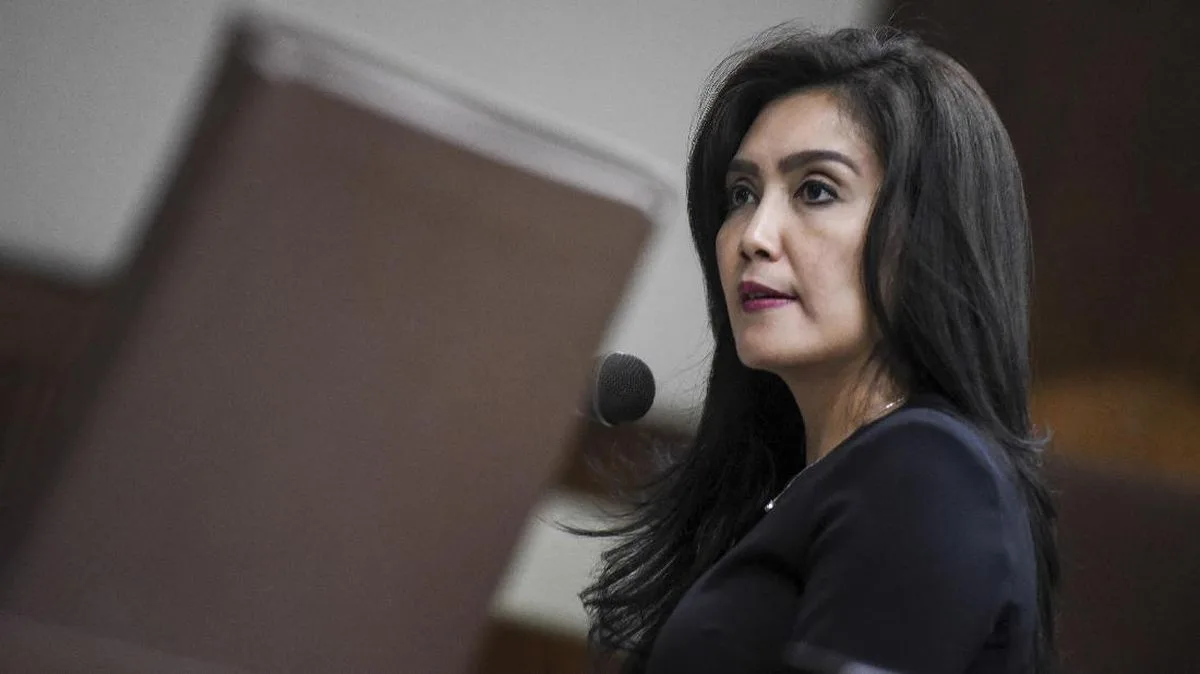
PDI Perjuangan lawmaker Rieke Diah Pitaloka has finally spoken out after being reported to the House Ethics Council (MKD) by Rien Wartia Trigina, also known as Erin, the ex-wife of artist Andre Taulany. The complaint accuses Rieke of overstepping her authority by accompanying Herawati, Erin's former domestic worker, when she filed a report of alleged abuse at the South Jakarta Police. Rieke insists what she did was part of her constitutional duties, not interference in legal matters.
In a written statement on Thursday (24/9), the politician who sits on the human rights commission explained that her presence accompanying a citizen was not a form of intervention. According to her, lawmakers have a mandate to receive complaints, oversee them, and ensure citizens' rights are protected. She cited the MD3 Law, which sets out parliament's three main functions: legislation, budget, and oversight. "When people report alleged injustice, lawmakers must not turn a blind eye," she said.
Rieke distinguished the role of a lawmaker from that of a lawyer. She stressed that political-constitutional assistance is not the same as representing a client in litigation. Lawmakers, she said, are only tasked with ensuring victims' complaints are followed up, that authorities act in accordance with the law, that victim protection is available, and that there is no neglect or abuse of power. "I have assisted and overseen a number of cases in their legal proceedings since 2013 and throughout my tenure as a member of the House of Representatives," Rieke said.
Erin views Rieke's presence during the assistance to Herawati as a form of legal intervention in the alleged abuse case that implicates her. She then reported Rieke to the House MKD for an alleged ethics violation. House MKD chairman Nazarudin Dek Gam confirmed the council had received the complaint. "We'll summon them, we'll ask what this is about. We'll summon both. We'll summon the complainant, we'll summon the respondent," Nazarudin said at the parliamentary complex on Tuesday (22/9).
The case highlights a long-running debate over the boundary between parliament's oversight function and legal intervention. On one hand, lawmakers are often a place where people who feel they have been denied justice file complaints. On the other hand, their presence in legal proceedings can be perceived as pressure on law enforcement. Rieke herself says she is currently also assisting in a case of alleged sexual violence experienced by Sukma, a former student at Pondok Pesantren Abul Barokat in Central Lombok. This shows a pattern of assistance she has carried out consistently.
"Such assistance is not intervention in the legal process. It is precisely part of parliament's representation and oversight function." — Rieke Diah Pitaloka
For the public, this complaint to the MKD is a test of parliament's ethics mechanism. Will the MKD judge Rieke's actions as a violation, or instead affirm that assisting citizens is a legitimate part of a legislator's duties? The examination process will set a precedent for other lawmakers who frequently receive public complaints. If the MKD decides that such assistance is a violation, it could dampen lawmakers' initiatives in defending constituents. Conversely, if left unchecked, it could trigger criticism about blurred limits of authority.
The case also resurfaces the political dynamics between PDI Perjuangan and opposing parties. Rieke is known for being vocal on human rights and worker protection issues. Erin's complaint could be part of an effort to undermine her credibility. However, the public is waiting to see whether the MKD will work independently or be swept up in political currents. What is clear is that summoning both parties will be an interesting spectacle of how parliament manages internal conflict and public expectations.
Going forward, the MKD's decision will determine how far lawmakers may be involved in assisting citizens in legal matters. If rules are tightened, public access to justice could be hampered. If loosened, the potential for abuse of power must be watched. Either way, this case underscores that the relationship between parliament, law enforcement, and the public is still searching for its ideal form.