Poltracking Survey: Gerindra on Top, but Three Major Parties Are Losing Steam
Baca dalam 60 detik
- Gerindra masih memimpin elektabilitas dengan 23,2 persen, namun angkanya terus merosot sejak Maret 2026.
- PDI-P dan PKB mencatat koreksi tajam, sementara Golkar dan Demokrat relatif stabil di posisi menengah.
- Hanya segelintir partai yang aman melewati ambang batas parlemen jika pemilu digelar hari ini.
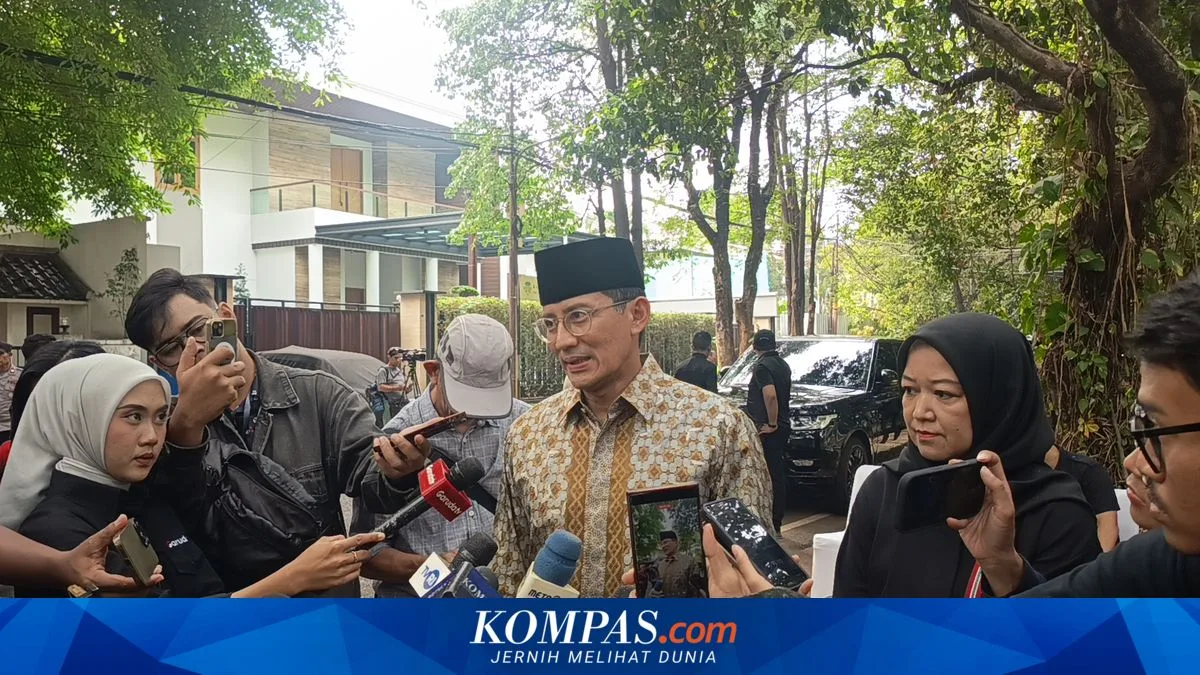
Gerindra's electability remains at the top of the Poltracking Indonesia survey for the August 2026 period with 23.2 percent. Nevertheless, the figure carries a warning signal: the party led by Prabowo Subianto has seen a gradual decline since the start of the year, from 26.1 percent in March to 23.2 percent in August. Poltracking researcher Yoki Alvetro presented the findings in an online briefing on Wednesday (23/9/2026).
Below Gerindra, the second and third positions are held by PDI-P and Golkar with electability of 11.6 percent and 10.4 percent respectively. Notably, both PDI-P and PKB show a fairly deep downward trend. PDI-P slipped from 15.7 percent in October 2025 to 11.6 percent in August 2026. PKB, meanwhile, was trimmed from 9.8 percent in July to 6.2 percent in August—a drastic decline in a single month.
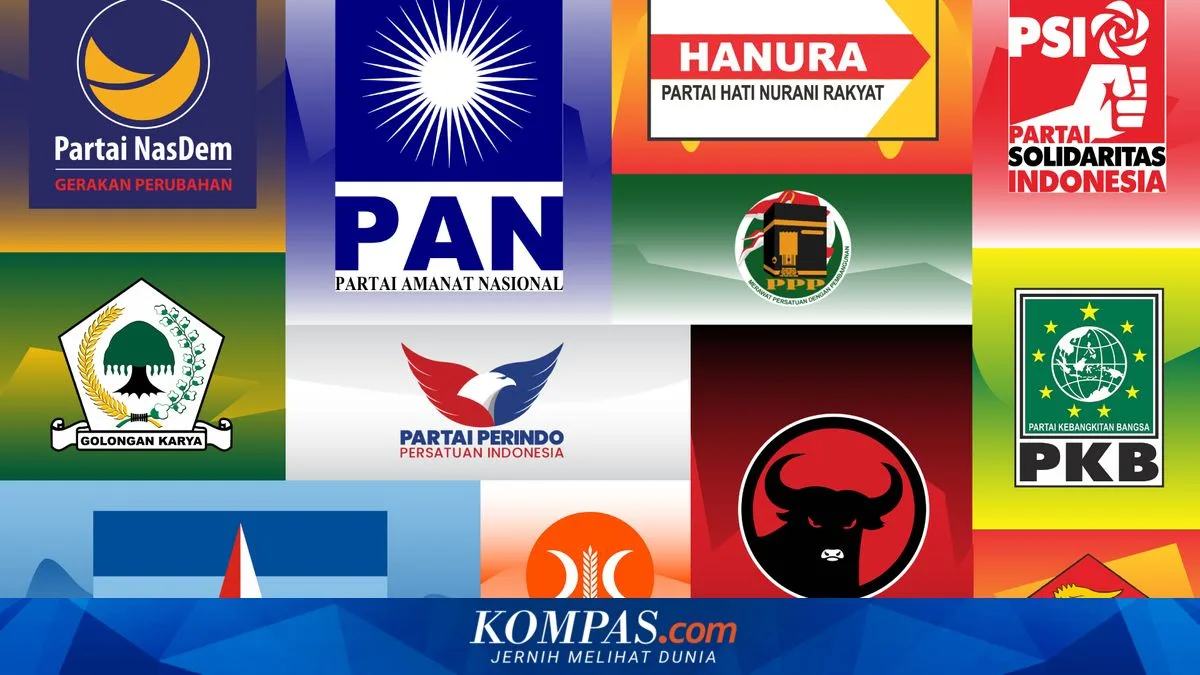
By contrast, Golkar and Demokrat are relatively stable. Golkar moved in the 9–11 percent range throughout the period, while Demokrat held at 6.1 percent. Mid-sized parties such as Nasdem (4.4 percent), PAN (3.4 percent), and PKS (3.3 percent) have yet to show any significant surge. Meanwhile, PSI, PPP, and other small parties are below 2.5 percent.
If a legislative election were held today, only parties with electability above 5 percent would stand a chance of winning a seat in Senayan. Based on this survey, only Gerindra, PDI-P, Golkar, PKB, and Demokrat meet that requirement. Other parties such as Nasdem, PAN, and PKS remain below the parliamentary threshold, though the gap is not too wide.
"The electability trend of political parties, Gerindra, PDI-P, and PKB, tends to experience a slight decline," said Yoki Alvetro.
This decline can be read as an early signal of a shift in voter preferences ahead of the political year. Although there is no election agenda in the near term, fluctuations in the electability of major parties often serve as a barometer of coalition stability and policy direction. For investors and market players, a dynamic parliamentary composition can affect regulatory certainty, especially in strategic sectors such as energy, infrastructure, and digital.
On the other hand, the stagnation of mid-sized parties shows that their political machines have not managed to capitalize on momentum. Vote fragmentation also has the potential to increase political transaction costs, which in turn can slow decision-making in the legislature. In the Indonesian context, where economic policy often depends on parliamentary support, this electability map deserves close attention from the business world.
Looking ahead, the question is: is the decline of Gerindra, PDI-P, and PKB temporary or does it reflect a structural shift? The answer will become clear from the consistency of the trend in subsequent surveys, as well as how the parties respond to this dynamic ahead of the 2029 election.