McDonald's Warns High Inflation and Slumping Restaurant Traffic Are the New Reality
Baca dalam 60 detik
- CEO McDonald's Chris Kempczinski menyatakan inflasi tinggi dan lalu lintas pelanggan yang datar bukan lagi kondisi sementara, melainkan lingkungan bisnis yang permanen.
- Restoran menghadapi tekanan ganda: konsumen mengurangi makan di luar akibat harga menu naik, sementara biaya operasional seperti daging sapi dan tenaga kerja melonjak.
- McDonald's akan mengandalkan strategi merebut pangsa pasar dari pesaing dan berhati-hati menaikkan harga agar tidak semakin menekan permintaan.
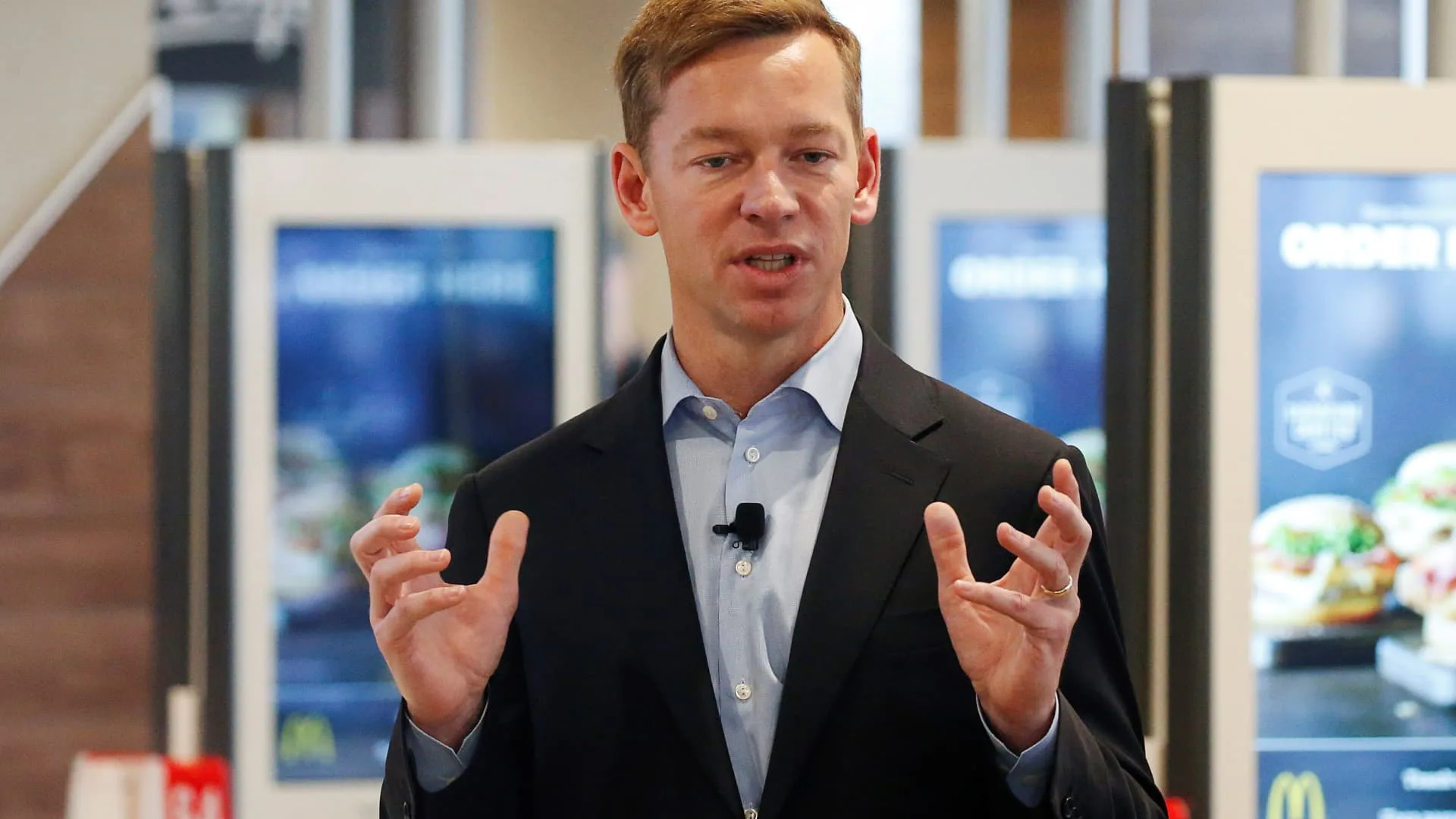
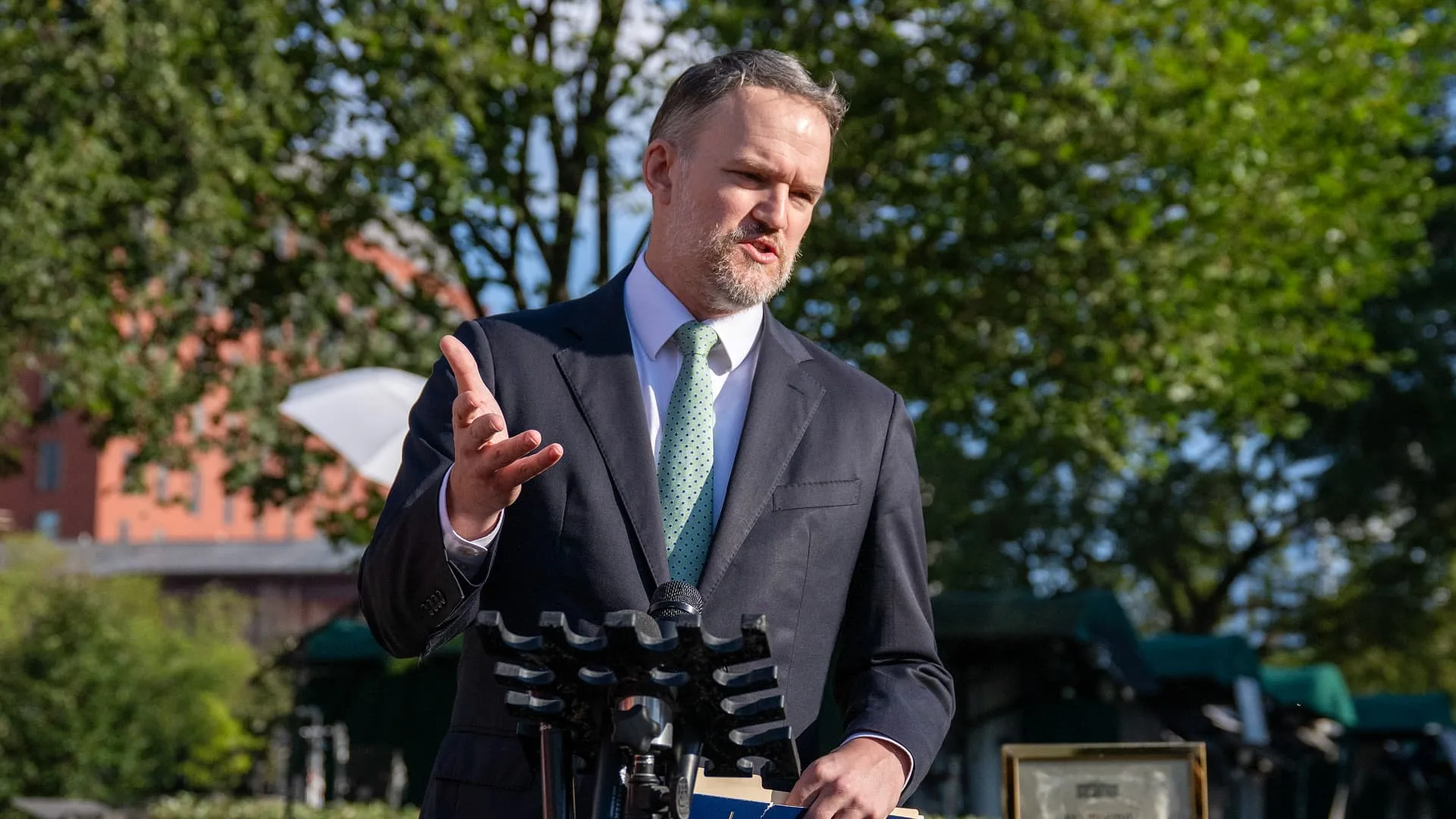
McDonald's expects high inflation and stagnant customer traffic to keep weighing on the restaurant industry, not as a temporary disruption but as a new reality it must face. CEO Chris Kempczinski said the company has instructed internal teams to stop calling the situation a "difficult environment" and start accepting it as normal. "Because going forward, we don't expect this to change," he said in an interview with CNBC on Wednesday (23/9/2026).
The statement marks a shift in stance from the fast-food giant. Over the past few years, Kempczinski often warned investors and analysts about the "challenging environment" facing McDonald's and the wider industry. However, recent data shows that same-store sales in the United States grew just 0.8% in the last quarter, while visits to domestic restaurants actually declined. A National Restaurant Association survey recorded a net decline in customer traffic in nearly every month from August 2025 to July 2026, with only one month posting an increase.
Consumers are eating out less often as they bear higher living costs, from fuel to groceries. To attract customers, McDonald's and its rivals have pushed discounts aggressively. But restaurant operators are not immune to cost pressures either. Kempczinski revealed that beef prices have nearly doubled over the past five years in the company's major markets. Other burdens such as labor wages and construction costs have also risen, squeezing profit margins further. "Across the board, this inflation is sticky. Not just in the US, but around the world," he said.
Facing these conditions, McDonald's is shifting its focus to capturing market share from competitors. "The biggest thing you have to do in an environment like this is be able to gain share. You have to really be able to take growth from competitors," Kempczinski said. Still, he acknowledged the company may need to consider price increases, but must be careful not to drive customers away. He reiterated that McDonald's regrets raising prices too quickly in the years after the Covid-19 pandemic.
"We need to stop talking about this being a difficult environment, and just say this is the environment. Because going forward, we don't expect this to change." — Chris Kempczinski, CEO of McDonald's
At an investor day held Wednesday, Kempczinski and other executives will lay out in more detail the company's plan to gain market share. The move is crucial amid a global restaurant industry slowdown driven by inflation and changing consumer behavior.
Indonesian Context
For Indonesia, this signal from McDonald's deserves attention. Although the domestic restaurant market is still growing, food and energy inflation pressures could weigh on consumer purchasing power, especially among the middle class. Rising global beef prices could also spill over into the operating costs of local restaurants and foreign franchises in Indonesia. If this trend continues, restaurant operators in the country may need to adopt similar strategies: strengthen efficiency, offer more value, and be careful about raising prices so as not to lose loyal customers.
Going forward, the big question is whether consumers will keep holding back on eating out, or whether they will return once inflation pressures ease. What is clear is that McDonald's and other industry players must prepare for a slower growth scenario over the long term.