New US Bill Proposes Early Retirement at 60 for Physical Workers, Will Indonesia Follow?
Baca dalam 60 detik
- Anggota Kongres Haley Stevens mengajukan Blue Collar Social Security Fairness Act yang memangkas usia pensiun penuh menjadi 60 tahun bagi pekerja dengan riwayat kerja fisik.
- Sistem poin berbobot memberi kompensasi pada pekerja konstruksi, atap, perawatan, dan manufaktur yang menekuni pekerjaan berat sejak usia muda.
- Inisiatif ini muncul saat dana perwalian Social Security terancam defisit, memicu perdebatan tentang keberlanjutan jaminan sosial dan potensi adopsi kebijakan serupa di negara berkembang.
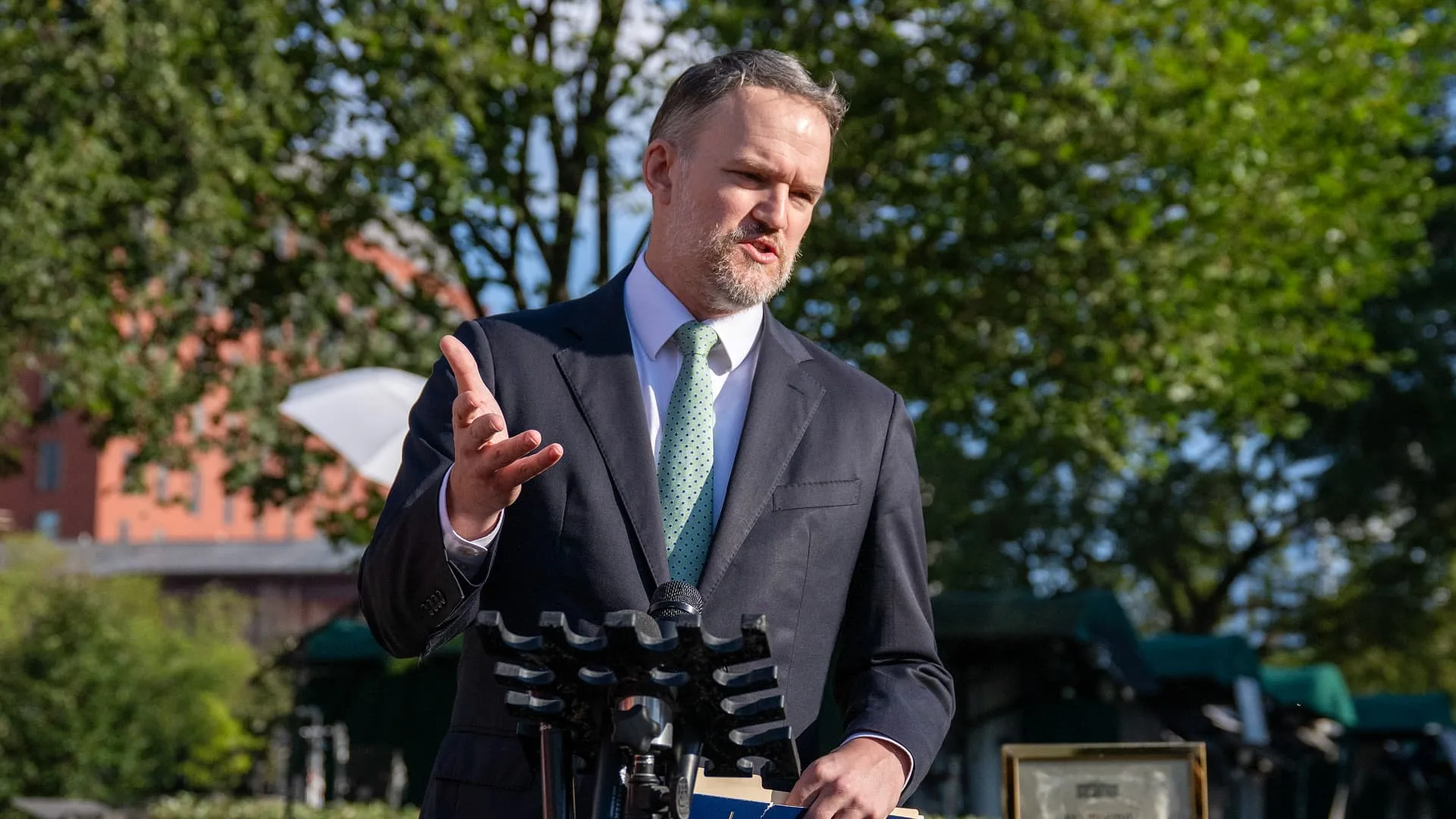
A Democratic member of the US House of Representatives, Haley Stevens, has formally introduced a bill that would lower the full Social Security retirement age to 60 for workers in sectors with high physical demands. The move comes amid growing concerns that blue-collar workers struggle to stay in the workforce until the conventional retirement age, currently set at 67 for those born in 1960 or later.
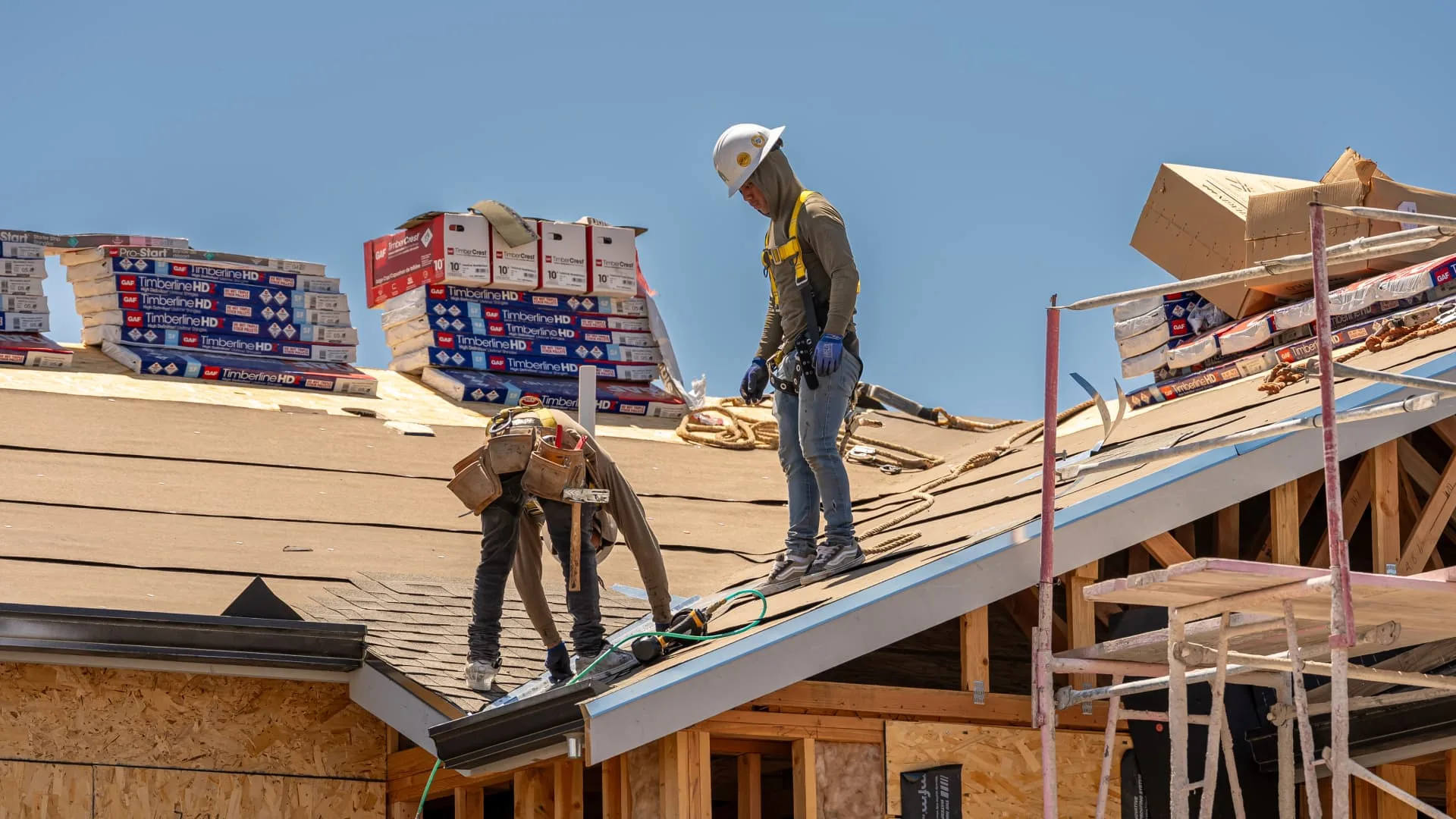
The bill, named the Blue Collar Social Security Fairness Act, targets professions such as construction, roofing, health care, and manufacturing. Currently, workers can claim early retirement benefits at age 62, but with a monthly reduction. Waiting until full retirement age guarantees 100% of benefits, and each year of delay up to age 70 adds 8%. However, for physical workers, reaching that age is often unrealistic because their bodies have already endured wear and tear.
Stevens stressed that workers who rely on physical labor should not be forced to wait until their bodies give out. "If we want to honor the dignity of work, we must lower the retirement age for physical workers," she said in an official statement. The bill also tasks the Social Security Administration with drawing up a complete list of qualifying occupations, with updates every three years.
What sets this proposal apart is its point-based approach. Workers do not need to spend their entire career in physical jobs to earn early retirement credit. The system gives greater weight to working years at older ages, recognizing that physical strain grows heavier with age. For example, someone who works in construction from age 20 to 40 would accumulate enough points to retire at age 60, even if they no longer work in that sector afterward.
"Michiganders who work with their hands should not be forced to wait until their bodies give out to retire," Stevens said.
The proposal emerges amid fiscal pressures hanging over the Social Security program. The trust funds financing benefits are projected to run out in the coming decades, forcing policymakers to consider options such as raising taxes, cutting benefits, or a combination of both. Research from the Schwartz Center for Economic Policy Analysis at The New School in 2022 showed that physical workers are at risk of leaving the workforce early, which can undermine their retirement security.
Nevertheless, the bill's chances of passing Congress remain unclear. With a divided political composition, bipartisan support is an absolute requirement. Some observers assess that the proposal could set a precedent for other countries, including Indonesia, which has millions of workers in labor-intensive and construction sectors. In Indonesia, the formal retirement age is generally 58, but informal workers and daily laborers often lack adequate social security.
If such a policy were implemented in Indonesia, major adjustments would be needed in the Jaminan Sosial Ketenagakerjaan (BPJS Ketenagakerjaan) system and in the definition of physical work. The biggest challenge is defining heavy work objectively and preventing abuse. In addition, the extra fiscal burden must be calculated carefully so as not to jeopardize the sustainability of the national pension fund.
Going forward, the debate over a fair retirement age for physical workers will intensify as the world's population ages. Will developing countries adopt a point-based model like the one Stevens proposes, or instead strengthen existing schemes? The answer will depend heavily on governments' ability to balance social protection with economic reality.