CFTC Flags Manipulation Risk in 'Mention Markets' on Prediction Platforms, Kalshi and Polymarket Under Threat
Baca dalam 60 detik
- CFTC menerbitkan peringatan bahwa pasar prediksi yang mempertaruhkan ucapan atau tindakan seseorang rentan dimanipulasi.
- Regulator menekankan kontrak derivatif harus memiliki hasil yang dapat diverifikasi independen dan diawasi publik secara luas.
- Kasus operator teleprompter Trump dan George Santos menjadi contoh nyata bagaimana orang dalam dapat menggeser hasil taruhan.
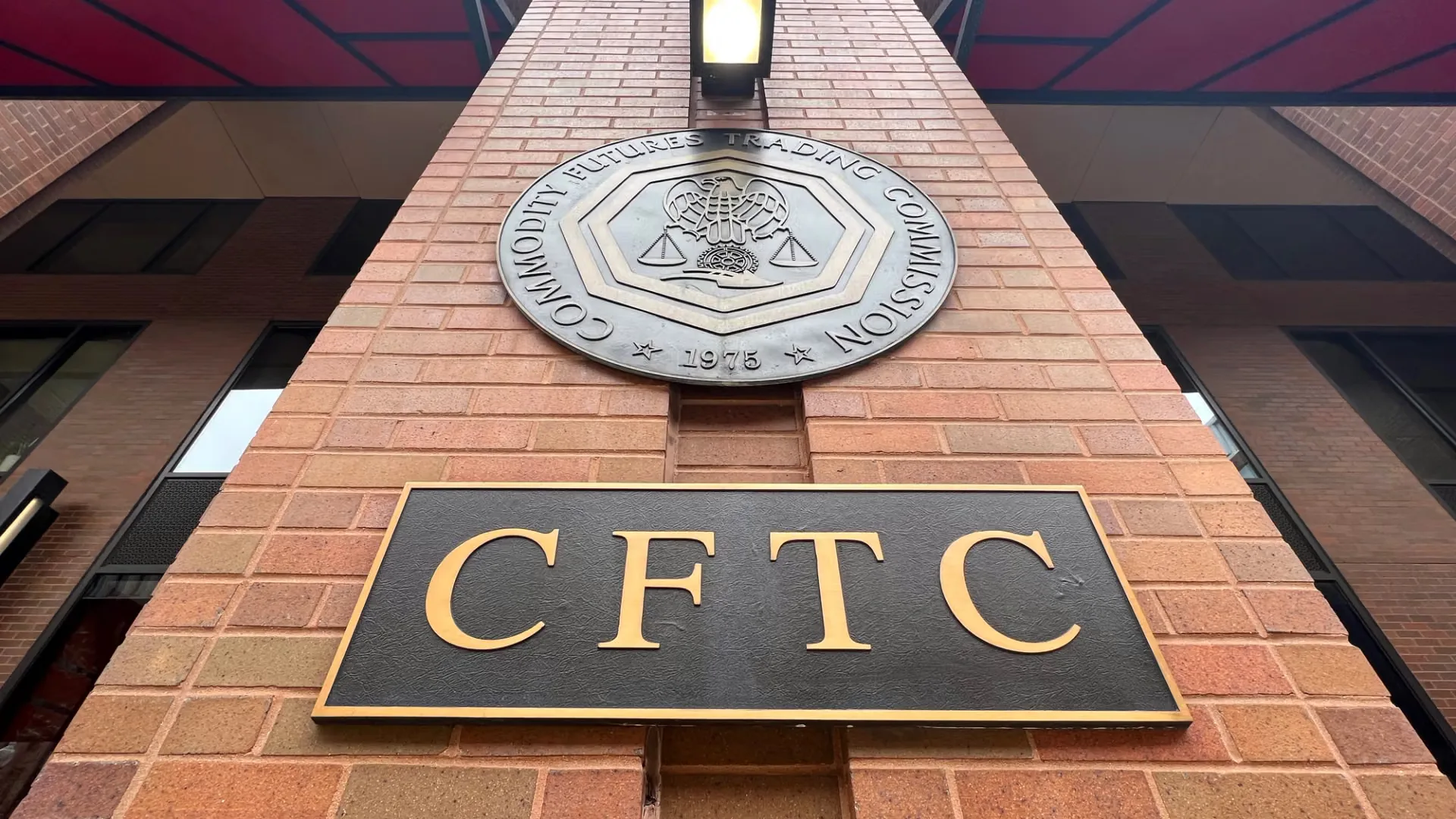
The U.S. Commodity Futures Trading Commission (CFTC) issued a written warning highlighting the danger of manipulation in a category of event contracts known as mention markets—bets on a specific person's words or actions. The advisory, released last Tuesday, could narrow the room for prediction platforms such as Kalshi and Polymarket to clear such products.
Unlike conventional derivatives markets that rely on external and independent outcomes, mention markets depend on the behavior of a named individual. The CFTC judges their outcomes to be "not generated independently or externally verifiable," making them highly vulnerable to being moved by someone who knows the contents of the bet. The CFTC's Market Oversight Division even calls such contracts "presumptively susceptible to manipulation."
Rather than banning them outright, the regulator opted for a strict approach. It laid out a number of factors that can strengthen contract design, such as the presence of independent verification mechanisms and substantial public oversight. Platforms seeking to clear mention market products must meet those requirements and set them out in regulatory filings.
The warning is not without basis. The CFTC recently sanctioned a former teleprompter operator for President Donald Trump who placed bets based on his knowledge of what the president would say. A similar case involved former congressman George Santos, whom Kalshi gave a lifetime trading ban for allegedly betting on his own appearance in the State of the Union address.
"Markets whose outcomes depend on one person's actions, without external verification, create a manipulation gap that is hard to close," the CFTC advisory reads, as quoted from the official document.
For Indonesia, this development is an important mirror. Although derivatives-based prediction markets are not yet mainstream domestically, online betting platforms and alternative futures contracts are proliferating. The Financial Services Authority (OJK) and Bappebti need to watch for a similar potential: when betting outcomes depend on the behavior of public figures, the risk of collusion and insider trading rises sharply. Existing regulations do not specifically govern the mention market category, so legal gaps could be exploited.
On the other hand, the CFTC's move could set a precedent for regulators in Asia Pacific who are drafting oversight frameworks for crypto assets and digital derivatives. If global platforms such as Polymarket expand operations into the region, independent verification standards and contract transparency will inevitably have to be adopted. Without them, prediction markets risk becoming vehicles for speculation that erode retail investor trust.
Looking ahead, the question is: will prediction platforms choose to adjust contract designs to pass CFTC screening, or instead move to more permissive jurisdictions? The answer to that choice will determine the direction of the global event-based betting industry—including whether Indonesia becomes the next market flooded with similar products without adequate oversight.