Miley Cyrus Remembers Dolly Parton: From Tour Bus Bathtub to Lessons on Public Persona
Baca dalam 60 detik
- Miley Cyrus mengungkap kebingungannya terhadap kebiasaan Dolly Parton yang selalu membawa bathtub di bus tur.
- Di balik perbedaan gaya hidup, Miley menyebut Dolly Parton sebagai sosok yang mengajarinya tentang keaslian dan persona.
- Percakapan terakhir mereka menjadi momen haru yang mengungkap sisi manusiawi Dolly Parton.
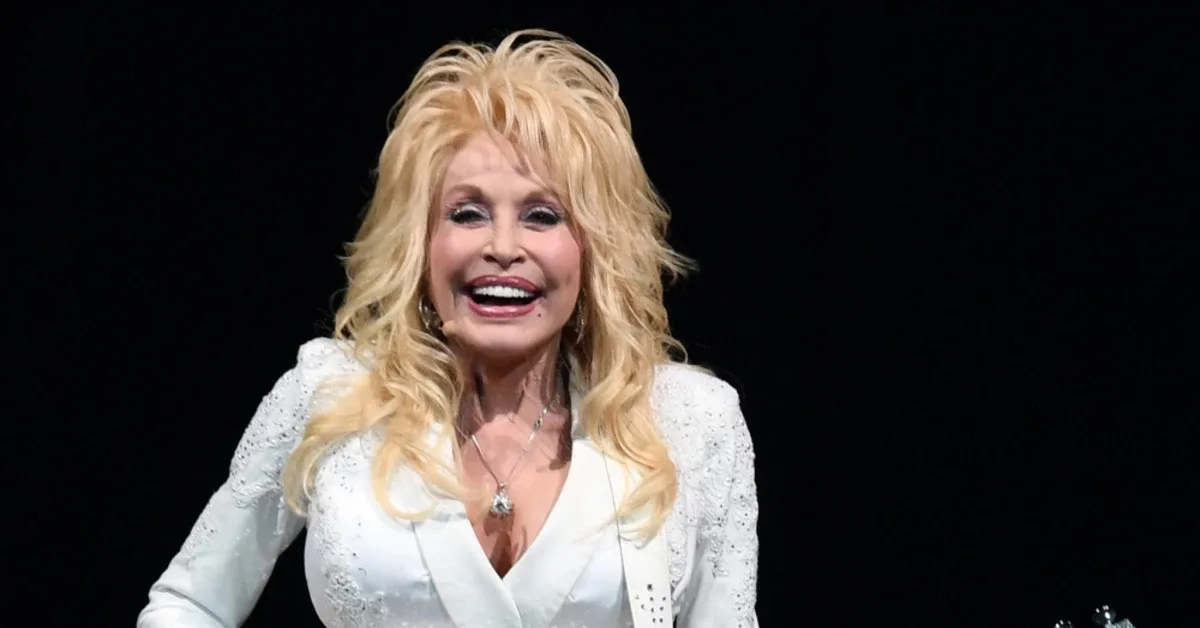
Miley Cyrus never truly understood Dolly Parton's decision to install a bathtub on her tour bus. In an interview with Zane Lowe of Apple Music, the 33-year-old singer admitted to being confused by her late godmother's habit. “Dolly had a bathtub. I always asked, ‘When are you going to bathe? In the parking lot or on the highway?’ If it’s in the parking lot, you might as well go to a hotel,” she said, as quoted from the interview.
Dolly Parton, who passed away last August after a brief illness at the age of 80, was indeed known for being eccentric. But for Miley, that eccentricity was precisely proof of how different they were. “We are indeed different people,” she added. Nevertheless, it was these differences that made their relationship special. Miley had just released her latest album, Bass Persuades, and losing Dolly was a heavy blow for her.
In the interview, Miley also recalled her last conversation with Dolly. At that time, she was talking about her new album. “We are very different, but that’s what makes us perfect for each other. She knew that, and so did I,” she remembered. Miley believes Dolly’s authenticity was her main appeal. “She’s famous for all the fake things—the hair, the makeup, the show—but there’s a side of her that draws people in: how real she is,” she said.
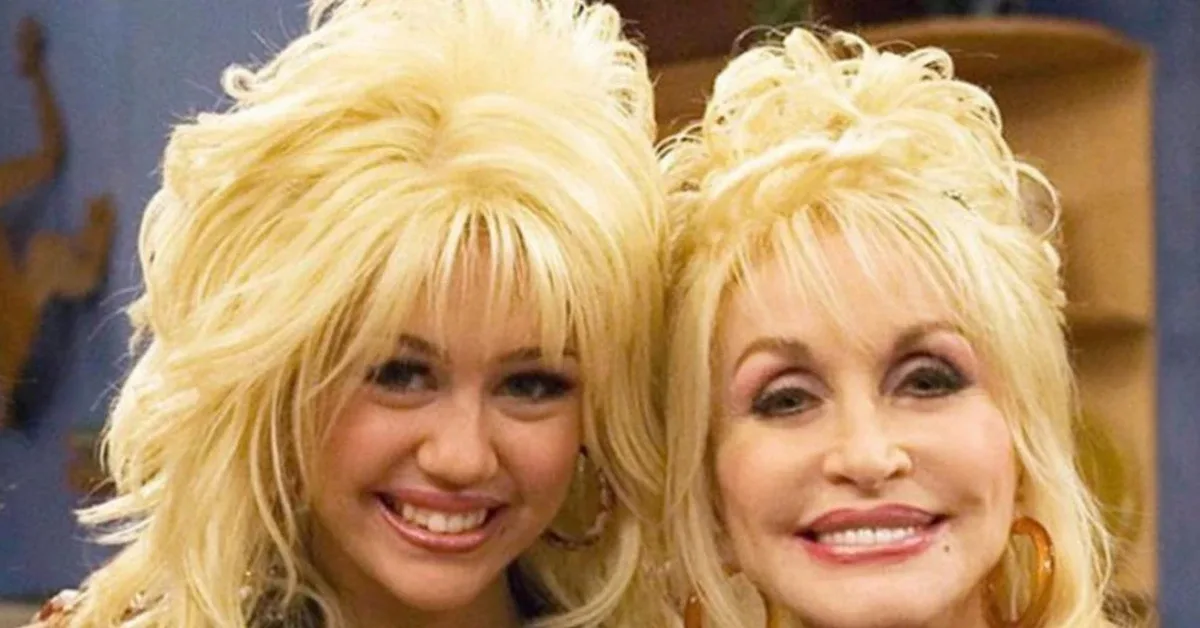
Miley admitted to learning a lot from Dolly about dealing with a public persona. As a Disney star who grew up through the Hannah Montana series, Miley felt Dolly helped her navigate life as a teen idol. “I could see that you can still have a persona and still be yourself, because I had Dolly,” she said. Dolly herself played Aunt Dolly, the fictional godmother of Miley Stewart’s character, reflecting their real-life relationship.
Miley also revealed Dolly’s advice when she cried on stage. “She said, ‘Music is an escape. Let them cry. Just get through it.’ I said, ‘I know, but this is me,’ and she loved me for that,” she recounted. Miley admitted she always cried when performing “End of the World” on My Next Guest Needs No Introduction with David Letterman. Dolly watched the performance and asked why she was crying. Miley explained that the song was about the world ending and never seeing her mother again.
For the Indonesian music industry, Miley and Dolly’s story reflects the importance of mentors in shaping an artist’s identity. Amidst industry pressures demanding a certain image, figures like Dolly Parton remind us that authenticity remains key. Young Indonesian singers like Raisa or Isyana Sarasvati also often speak about the importance of being themselves amidst public expectations. Such cross-generational relationships can be valuable lessons for the development of the national music scene.
Moving forward, Dolly Parton’s legacy will continue to live through her music and influence on future generations. Miley Cyrus, with her new album, seems to be trying to carry on that spirit. However, will the global music industry continue to value authenticity amidst the increasingly strong current of commercialization? That question is relevant not only for Miley but also for Indonesian musicians who are seeking their identity.