KPK Uncovers Network of ATR/BPN Minister's 'Trusted Aides', Seizes Rp106.3 Billion
Baca dalam 60 detik
- KPK menyita uang tunai Rp106,3 miliar dalam OTT terbesar sepanjang sejarah, menyeret delapan tersangka termasuk pejabat dan swasta.
- Nama Menteri ATR/BPN Nusron Wahid disebut 12 kali dalam konferensi pers, namun belum ditetapkan tersangka karena keterbatasan waktu dan bukti.
- Penyidik mendalami aliran dana ke sejumlah 'orang kepercayaan' yang diduga terlibat gratifikasi pengurusan hak guna bangunan dan mutasi jabatan.
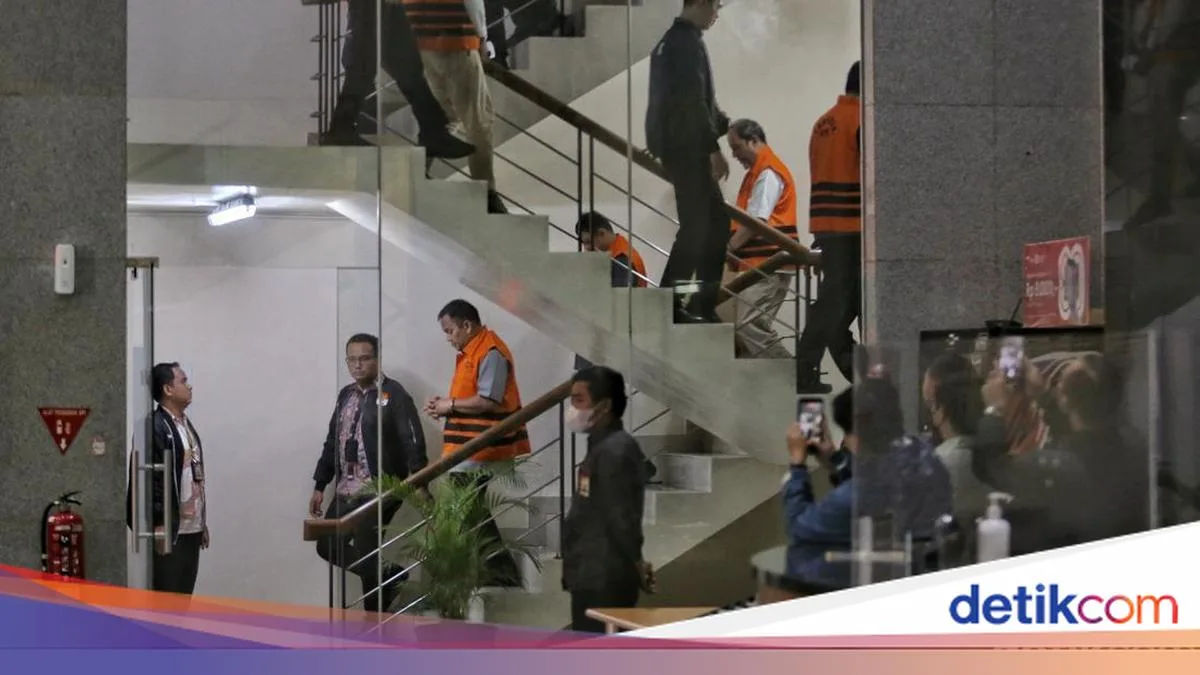
The Corruption Eradication Commission (KPK) has unveiled a sting operation (OTT) that ensnared eight suspects and seized Rp106.3 billion in cash—the largest in the antigraft agency's history of such operations. The case surfaced after investigators traced an alleged bribery scheme tied to the processing of building use rights (HGB) in Bogor Regency, involving several figures described as "trusted aides" of Agrarian and Spatial Planning Minister/Head of the National Land Agency (ATR/BPN) Nusron Wahid.
The OTT began on Monday (14/9/2026) when the KPK arrested the head of the Bogor Regency Land Office I, Sontang Coin Manurung. He is suspected of accepting bribes from Summarecon Agung Tbk president director Adrianto Pitojo Adi over a request to extend HGB and split it into Freehold Title Certificates (SHM) for tens of hectares of land in Bogor. The process stalled because heirs filed a lawsuit with the Bandung State Administrative Court (PTUN) and blocked the company's SHGB.
According to KPK Acting Director of Investigation Achmad Taufik Husein, Summarecon's intermediary, Yaser Alfarisi, asked Sontang to lift the block. When that was not granted, Yaser and Rizal Pahlevi approached Erwin—whom the KPK describes as a trusted aide of the ATR/BPN Minister—to lobby Sontang. "Sontang, through Erwin, requested a fee with the code 'two,' suspected to amount to Rp2 billion," Taufik said at a press conference in Jakarta on Tuesday (15/9/2026). The negotiation ended in an agreement of Rp1.5 billion, paid by Adrianto through the two intermediaries.
The disclosure of Erwin's role opened the door for the KPK to probe other collusive practices within the ATR/BPN Ministry. The KPK suspects gratification related to job rotations and promotions as well as land services. "Regarding the HGB processing for land managed by PT BPA, PT BPA is suspected of giving 'processing money' to Erwin amounting to Rp2.1 billion," Taufik said. Part of that money was deposited by Erwin to Arif Sugiyanto, former Kebumen regent, who is also described as a trusted aide of the ATR/BPN Minister.
Arif then acted as a collector of money from Erwin and Muhammad Fakhry—also described as a trusted aide of the Minister. The money pooled by Arif is suspected to have flowed to Fahd El Fouz alias Fahd A Rafiq, who has been involved with the KPK three times. The KPK seized Rp8 billion in nine red suitcases bearing Lampri's name, as well as Rp10 billion in cash deposits to Arif's account suspected to be related to land services.
"Investigators are still delving into the origin, purpose, flow, and parties suspected of receiving or handing over the money, including its connection to land service processing at various levels," Taufik said.
To date, the KPK has not named Nusron Wahid a suspect. Taufik cited the 1x24-hour limit on OTT operations and said investigators are still confirming a number of witnesses. "This again comes down to the procedural law requirement that at least two pieces of evidence are needed to name someone a suspect. We will examine whether the sufficiency of those two pieces of evidence has been met," he explained. Nusron has not responded despite being contacted.
For property and land market players, this case is a strong signal that the KPK is scrutinizing gaps in permit governance. The HGB-SHM process, long seen as convoluted and prone to illegal fees, could face tighter oversight. Property investors, especially those holding disputed land, need to be mindful of legal risks and strengthen due diligence. Meanwhile, the wider public hopes this case marks a turning point toward transparent, bribe-free land services.
Going forward, the public is waiting to see whether the KPK will name new suspects, including senior officials. If the seized fund flows can be traced to their owners, this case could become a test of the integrity of bureaucratic reform in the agrarian sector. Will the KPK dare to trace it to the top, or will the investigation stop at the implementer level?