Prabowo Targets E20 by 2028, Danantara Ready to Build Bioethanol Industry
Baca dalam 60 detik
- Presiden Prabowo menggelar rapat terbatas di Istana Negara untuk memastikan produksi bahan bakar campuran bioetanol 20 persen (E20) mulai berjalan pada 2028.
- Pemerintah menyiapkan lahan tebu seluas 2 juta hektare di Kalimantan, Sumatra, Papua, dan Jawa, sementara Danantara ditugasi membangun fasilitas pengolahan etanol.
- Kebijakan ini berpotensi menekan impor BBM dan memperkuat devisa, tetapi tantangan penyediaan lahan dan infrastruktur masih membayangi target jangka pendek.
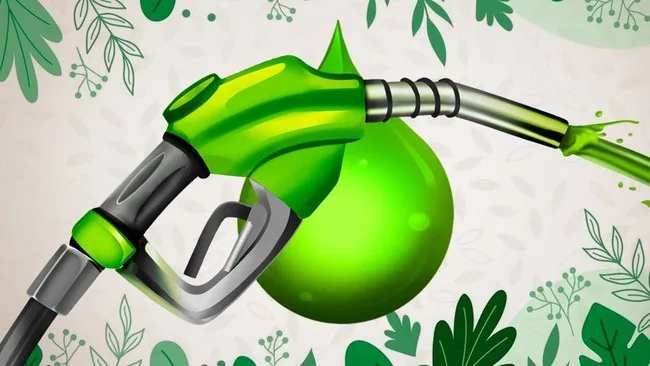
President Prabowo Subianto has set a major ambition in the energy sector: Indonesia must be able to produce gasoline blended with 20 percent bioethanol (E20) within the next two years at the latest. The directive was issued at a limited meeting at the State Palace on Wednesday (16/9/2026), which specifically discussed the readiness of the domestic bioethanol supply chain and processing industry.
Coordinating Minister for Food Affairs Zulkifli Hasan said the meeting did not merely discuss targets but also assigned concrete tasks. The Ministry of Agriculture was asked to prepare land for bioethanol feedstock, while the Investment Management Agency (BPI) Danantara was entrusted with building and preparing the processing industry. According to Zulhas, ethanol conversion is most feasible from sugarcane.
The government has identified potential land of 2 million hectares in Kalimantan, Sumatra, Papua, and Java for sugarcane cultivation. However, Zulhas did not deny that land provision is often a classic obstacle. Nevertheless, he stressed that the policy does not stop at E20. In the long term, the government targets an ethanol blend in gasoline of up to 50 percent, or E50.
BPI Danantara CEO Rosan Roeslani expressed full support for the program, which is considered capable of reducing fuel imports and increasing state foreign exchange earnings. "The point is that we at Danantara always support programs that are very good at reducing imports and increasing our foreign exchange," he said on a separate occasion. Finance Minister Suahasil Nazara added that the meeting also discussed energy resilience and supporting technology, with private sector involvement through to Danantara.
The meeting was attended by a number of key officials, including Bank Indonesia Governor Destry Damayanti, Minister of Energy and Mineral Resources Bahlil Lahadalia, Head of BP BUMN Dony Oskaria, Pertamina Deputy President Director Oki Muraza, and Minister of Agriculture Andi Amran. Their presence indicates that the E20 program is not only an energy matter but also touches on fiscal, monetary, and industrial aspects.
For Indonesian readers, especially investors and market players, this policy opens up opportunities as well as challenges. On the one hand, developing bioethanol from sugarcane can create new jobs, reduce dependence on fuel imports, and improve the trade balance. On the other hand, the need for 2 million hectares of land could clash with land use for food and existing plantations. In addition, the readiness of processing and distribution infrastructure for ethanol-blended fuel still has to be tested.
The question is, is the 2028 target realistic given the complexity of land permits, funding, and technology? The government appears to want to accelerate the energy transition by bringing in Danantara as an investment vehicle. However, without a measurable road map and clear incentives for sugarcane farmers and industry, E20 could end up being just a target on paper. Over the next two years, the public will see whether this step truly changes the national energy landscape or merely becomes a routine item on the limited meeting agenda.