Customs Defendant Weeps in Court, Reveals Superior's Pressure to Keep Case From Spreading
Baca dalam 60 detik
- Orlando Hamonangan, terdakwa kasus gratifikasi Bea Cukai, menangis saat bersaksi dan mengaku diperintah atasannya untuk menanggung seluruh perkara.
- Kesaksian ini menyingkap dinamika internal Direktorat Penindakan dan Penyidikan Bea Cukai, di mana junior diminta melindungi senior.
- Publik menanti apakah pengakuan tersebut membuka jalan bagi pengungkapan jaringan gratifikasi yang lebih luas.
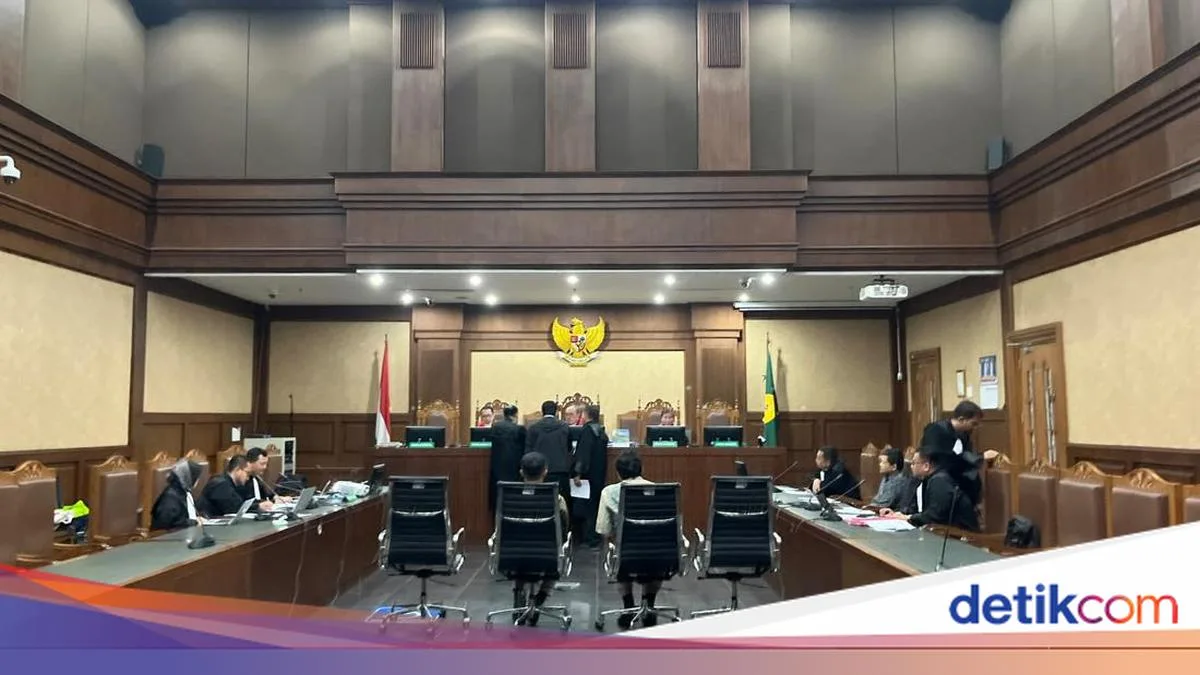
The courtroom of the Central Jakarta Corruption Court suddenly fell silent when Orlando Hamonangan, Head of Customs Intelligence Section I at the Directorate of Enforcement and Investigation of the Directorate General of Customs and Excise, could not hold back his tears on Wednesday (16/9/2026). He appeared as a witness for defendant Budiman Bayu Prasojo, his own superior, in a case of alleged gratification worth Rp7.6 billion. Orlando's tears broke when he recounted the order he received from Sisprian Subiaksono, Deputy Director of Intelligence at the same directorate, to keep the case from spreading to other parties.
According to his testimony, the meeting took place in a smoking area. Sisprian, who is also a defendant in a separate case file, was said to have asked Orlando—the most junior in position—to bear the entire legal burden. "Don't let this case spread. You bear it all," Orlando said, imitating his superior's words before the panel of judges. He said he resigned himself and had told Bayu, "Mas, please look after my wife and children."
KPK prosecutor M Takdir Suhan explained the reason behind the questioning. He said that before the two became cooperative, there were certain moments that needed clarification, especially since Orlando and Bayu had been in the same detention house. The hearing was briefly paused to give Orlando time to compose himself before the prosecutor continued the examination.
This testimony is not merely courtroom drama. It highlights a pattern of power relations within an institution that should be at the forefront of customs oversight. When a junior says he was asked by a superior to "take the fall," the public has reason to question how systemic such internal protection practices are. For Indonesia, this case is a mirror showing that bureaucratic reform within the Directorate General of Customs and Excise still leaves a huge amount of homework, especially on integrity and accountability.
"I saw my friends being summoned, so I thought, fine, I'll take the fall, I'll sacrifice myself." — Orlando Hamonangan, in court.
From the perspective of investors and businesses, the credibility of the Directorate General of Customs and Excise is at stake. This institution determines the logistics climate, certainty of import costs, and the smooth flow of goods at ports. When a gratification case surfaces, the signal sent to the market is that governance risks have not been fully resolved. The business world certainly hopes that law enforcement will not stop at field-level actors, but also dismantle the chain of command that allowed such practices to occur.
The KPK itself appears to recognize the importance of opening the curtain further. The prosecutor's questions about the moment of the meeting on the 2nd floor of the KPK building and the request for Orlando to be cooperative indicate an effort to build a complete legal construction. However, the biggest challenge is proving that pressure from superiors truly occurred and was not merely a one-sided narrative. If proven, this could be an entry point to uncover similar patterns in other cases.
Going forward, the public will focus on two things: first, whether Orlando's admission will be followed by the disclosure of other actors who have so far been protected; second, the extent to which the court can separate fact from drama. For businesses, legal certainty in the customs sector is a prerequisite for a healthy investment climate. If this institution continues to be eroded by gratification practices, it is not impossible that compliance costs will rise and Indonesia's export-import competitiveness will be affected.
The question now is whether this tearful testimony will become a turning point for cleaning up the Directorate General of Customs and Excise, or whether it will simply drown in the bustle of the trial without a systemic solution?