Pertamina Goes to Campus 2026: 22 Universities from 12 Provinces Compete in National Final, from ITB to Universitas Mataram
Baca dalam 60 detik
- Final Nasional PGTC 2026 mempertemukan 22 perguruan tinggi dari 12 provinsi di Jakarta pada 22-23 September, dengan 16 tim debat energi dan 10 finalis inovasi.
- Pertamina menilai sebaran peserta dari Sumatera, Jawa, Bali, hingga Nusa Tenggara sebagai bukti talenta muda energi tidak lagi terpusat di Pulau Jawa.
- Kompetisi ini menjadi kanal inkubasi ide transisi energi yang berpotensi menyuplai solusi berbasis potensi lokal dan memperkuat kemandirian energi nasional.
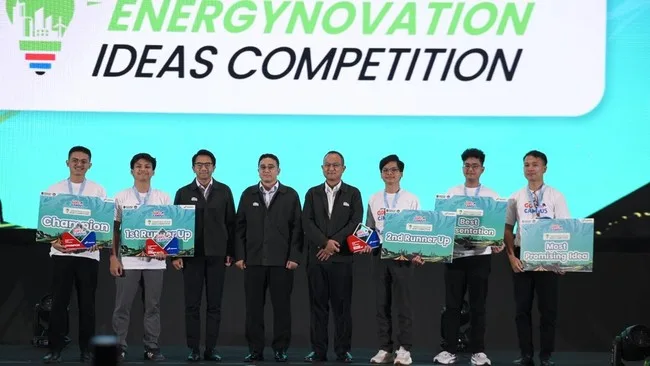
A total of 22 universities from 12 provinces will meet in Jakarta on 22-23 September 2026 to compete for the title at the Pertamina Goes to Campus (PGTC) 2026 National Final. The event brings together 16 Energy Debate Championship (EDC) teams and 10 finalists of the Energynovation Ideas Competition (EIC) who advanced through a long selection process that began at the kick-off at Institut Teknologi Bandung (ITB) on 21 May 2026.
For PT Pertamina (Persero), the event is more than just a student competition. Pertamina VP Corporate Communication Muhammad Baron said PGTC was designed as an ecosystem for developing young talent that contributes to Indonesia's energy future. According to him, the presence of campus representatives from Sumatra, Java, Bali, and Nusa Tenggara shows an evenly distributed capacity of young talent, no longer concentrated in Java.
"We greatly appreciate the courage and quality of the students' ideas. The advancement of representatives from campuses in Sumatra, Java, Bali, and Nusa Tenggara proves that Indonesia's young talent has superior capacity that is evenly distributed," Baron said in an official statement, Wednesday (16/9/2026).
The participant list reflects a combination of major and regional universities. ITB, UI, UGM, IPB, Unpad, Undip, UB, and Binus will pit ideas against Universitas Mataram, Universitas Riau, Universitas Sriwijaya, Institut Teknologi Sumatera (ITERA), Universitas Udayana, Universitas Pasundan, Universitas President, and PKN STAN. This composition creates a space for cross-learning between academic research and the needs of the energy industry, which have often run separately.
In the EIC category, the finalists will present technological innovations and energy business models before a panel of expert judges to compete for the top three positions. Meanwhile, in the EDC, 16 teams will battle from the preliminary rounds through to the Grand Final. Both formats require participants to master not only technical data but also the ability to persuade the public and policymakers.
For readers in Indonesia, especially investors and energy sector professionals, PGTC 2026 is worth reading as a signal of Pertamina's policy direction. The state-owned company is building a talent pipeline that will later become part of the national energy transition. As the energy transition shifts from discourse to real projects, the need for human resources who understand both technology and local context becomes increasingly urgent.
What sets PGTC apart from ordinary campus competitions is its emphasis on solutions based on regional potential. Innovations born from participants in Nusa Tenggara, Riau, or Sumatra have the opportunity to answer the clean energy needs specific to their respective regions, from solar energy management to community-scale renewable energy business models. This approach aligns with the energy independence agenda, which demands decentralized solutions rather than merely imported technology.
Baron added that the spirit of "Kita Energi Muda" reflects Pertamina's trust in the younger generation, who possess energy, creativity, and social empathy. He hopes PGTC will produce a talent network ready to contribute directly to national energy resilience. This statement underscores a shift in the role of students from spectators to actors in shaping energy solutions.
However, the real challenge lies after the competition. How many of the ideas presented in Jakarta will actually continue into pilot projects, research partnerships, or even energy startups? Without a clear incubation pathway, events like this risk ending as an annual ceremony. Pertamina needs to show a follow-up mechanism so that student innovations do not evaporate after the awarding night.
With the Grand Final only days away, the public awaits whether PGTC 2026 will produce breakthroughs that industry can adopt, or merely add to the list of campus competitions. The answer will be determined not only by the quality of the debates and presentations but also by the seriousness of the ecosystem that accommodates those ideas after the stage is closed.