Oil Prices Surge to Highest Level Since May, Global Supply Crisis Looms
Baca dalam 60 detik
- Brent dan WTI ditutup pada level tertinggi sejak 19 Mei setelah gangguan ekspor Arab Saudi dan pembatalan kargo ke Eropa.
- Serangan Houthi, penutupan ladang minyak Libya, dan ketidakpastian perbaikan pipa East-West memperparah kekhawatiran pasar.
- Bagi Indonesia, kenaikan ini mengancam subsidi energi, inflasi, dan stabilitas rupiah jika konflik Timur Tengah berlarut.
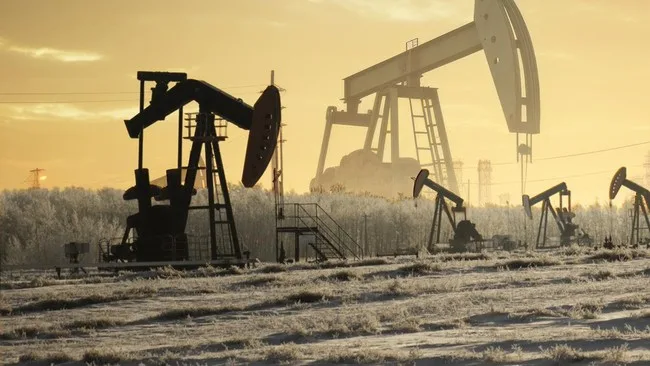
Global crude oil prices broke through their highest level in nearly four months in Tuesday trading (15/9/2026), driven by disruptions to Saudi Arabian exports and the cancellation of several cargoes to Europe. Brent closed up US$3.07, or 2.9%, at US$108.75 per barrel, while West Texas Intermediate (WTI) jumped US$4.44, or 4.38%, to US$105.83 per barrel—both the highest closing levels since 19 May.
The sharper jump in WTI than in Brent reflects the market's specific concerns about United States supply. Shipping industry sources said crude loading at the Yanbu terminal in Saudi Arabia had been halted, and Riyadh cancelled several cargoes for European customers scheduled for delivery in late September. Yanbu has long been a vital Saudi export route, especially after shipping disruptions in the Strait of Hormuz forced Riyadh to rely on the 1,200-kilometer East-West Pipeline from the eastern region to the Red Sea.
Pressure mounted after attacks by the Iran-allied Houthi group targeted Saudi oil infrastructure last Friday. Lipow Oil Associates President Andy Lipow said traders were buying WTI futures on the assumption that the Saudi export disruptions would last longer than expected. He predicted European refineries would turn to US crude to cover the shortfall.
Senior climate and commodities economist at Capital Economics, Hamad Hussain, highlighted that the new Houthi attacks could change investor expectations regarding the severity and duration of the conflict. "The new attacks by the Houthi group targeting Saudi Arabia may affect oil market investors' expectations regarding the severity and duration of the conflict," he said.
From Libya, the National Oil Corporation (NOC) reported that operations at three oil fields were halted after members of the Petroleum Facilities Guard closed a valve on the Hamada-Zawiya export pipeline. NOC warned it could declare force majeure if the closure continues, potentially disrupting production from other fields. Meanwhile, Russian and Ukrainian attacks on each other's energy facilities added further pressure on global fuel supply.
The gap between Goldman Sachs' and the US government's estimates of the repair time for the East-West Pipeline creates uncertainty that makes it difficult for the market to determine the duration of the disruption. This uncertainty is compounded by the Middle East conflict, which continues to threaten key energy trade routes, including the Strait of Hormuz.
Indonesian Context
For Indonesia, this oil price surge is not merely international news. As a net oil importer, every US$10 per barrel increase potentially adds to the energy subsidy burden and pressures the budget deficit. The government may need to adjust the Indonesian Crude Price (ICP) assumption in the state budget, which could affect subsidy and compensation spending. The rupiah is also vulnerable to weakening as oil imports swell, while inflation in fuel and transportation prices could erode people's purchasing power.
Investors in the stock and bond markets need to watch the energy and consumer sectors. Oil and gas mining issuers may benefit from high prices, but transportation, aviation, and manufacturing companies that depend on fuel face margin pressure. Bank Indonesia may also raise interest rates if imported inflation rises, which would affect bond yields and corporate borrowing costs.
Going forward, the key question is how quickly Saudi Arabia restores exports and whether the Middle East conflict widens. If the disruption lasts more than eight weeks as Goldman Sachs estimates, oil prices could break through US$120 per barrel, forcing the Indonesian government to take emergency measures. Conversely, if the pipeline is restored soon, pressure could ease—but geopolitical risk will continue to loom.