13-Year Sentence Sought for Maria Lastry Gultom: A New Signal in Corruption Enforcement over State Bank Credit
Baca dalam 60 detik
- Maria Lastry Gultom, Direktur Utama PT Dunia Pangan Gosyen, menghadapi tuntutan 13 tahun penjara dan uang pengganti Rp122 miliar atas dugaan korupsi fasilitas kredit bank BUMN periode 2022–2023.
- Kasus ini menjerat tiga pihak dengan peran berbeda, memperlihatkan pola kolusi antara debitur dan pejabat bank yang merugikan keuangan negara hingga Rp122 miliar berdasarkan audit BPKP.
- Tuntutan ini menjadi ujian bagi komitmen pemerintah memberantas korupsi di sektor perbankan BUMN, dengan implikasi langsung pada tata kelola kredit dan kepercayaan investor.
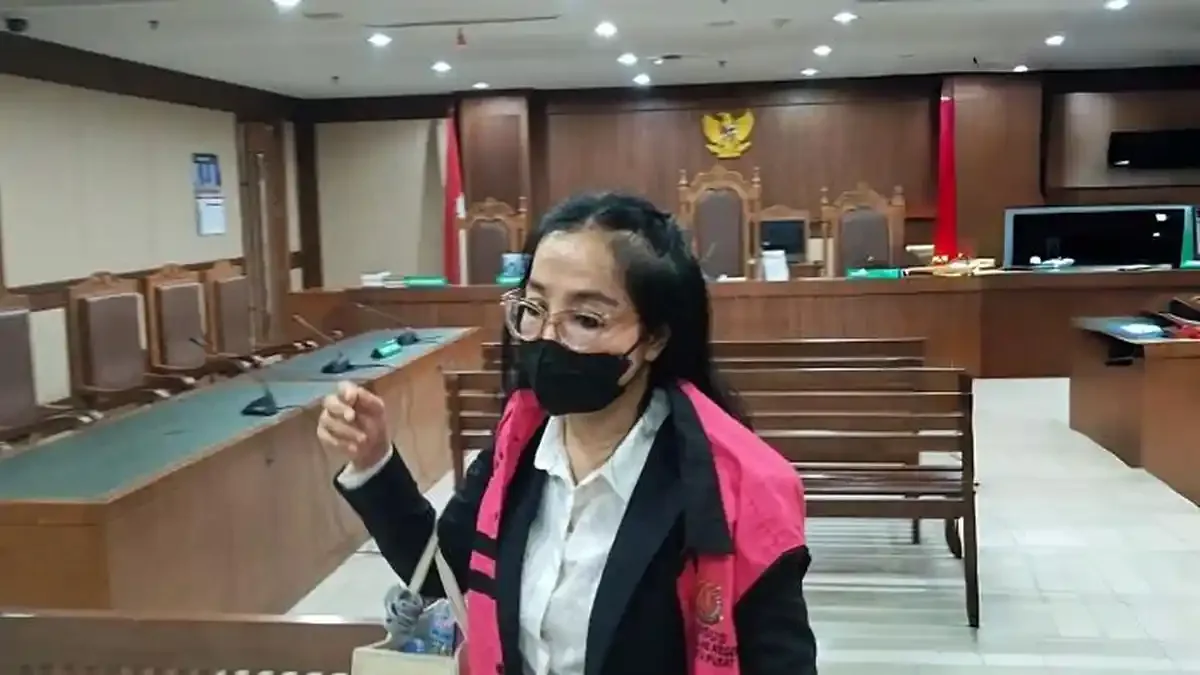
Prosecutors are seeking a 13-year prison sentence for Maria Lastry Gultom, President Director of PT Dunia Pangan Gosyen, in a case alleging corruption in the extension of credit facilities by a state-owned bank. The demand was read out at a hearing at the Central Jakarta Corruption Court on Wednesday (16/9/2026) evening. In addition to the prison term, prosecutors are seeking a Rp750 million fine, subsidiary to 165 days' confinement, and Rp122 billion in restitution. If the restitution is not paid within one month after the verdict becomes legally binding, an additional six-year prison sentence awaits.
The case ensnares three names in different positions. Besides Maria, there is Li Putri Nazara, President Director of PT Gosyen Sejahtera Utama, who is facing 10 years in prison and a similar fine. Meanwhile Frengki Hasoloan Sianturi, a former Relationship Manager at the state-owned bank's Jakarta Region I Office, was earlier sentenced to 2.5 years in prison, a Rp100 million fine, and Rp790 million in restitution. Prosecutors argue the three jointly committed unlawful acts that enriched themselves or others, with state losses reaching Rp122 billion.
The indictment reveals that the credit disbursement to those companies allegedly violated applicable rules. Prosecutors say the credit facility process did not follow proper procedures, causing state financial losses. The loss figure refers to the BPKP audit, which puts the Rp122 billion figure as the basis for the demand. Among aggravating considerations, prosecutors found that Maria did not admit to her actions and was evasive during the trial. As a mitigating factor, she was polite throughout the legal process.
This case is not merely an individual criminal matter. It highlights governance gaps at state-owned banks, especially in the credit approval process. Collusion between debtors and bank officials, as alleged, points to weak internal oversight. If not addressed, such practices could erode public trust in the integrity of state-owned banking. For investors, especially shareholders of state-owned banks, reputational risk and potential financial losses are a serious concern. National banking is already under global and domestic pressure; a corruption scandal only adds to the burden.
"The defendant did not admit to her actions, was evasive during the trial, and caused state financial losses of Rp122 billion," the prosecutor said in the aggravating considerations.
The government and the DPR need to push for credit governance reform at state-owned banks. Strengthening early detection systems, independent internal audits, and transparency in the credit approval process is key. Without that, similar cases could recur. The Financial Services Authority (OJK) and the Supreme Audit Agency (BPK) are also expected to be more proactive in overseeing credit disbursement, especially to sectors prone to irregularities. On the other hand, firm law enforcement such as this demand could be a positive signal for the investment climate, provided it is consistent and not selective.
Going forward, the public awaits whether the panel of judges will grant the prosecutors' demand or issue a different ruling. More importantly, whether the verdict will be followed by systemic improvements within state-owned banks. Without comprehensive reform, credit corruption will only change actors and methods. Can this country learn from the Maria Lastry Gultom case?