KPK Uncovers Shadow Structure at ATR/BPN: Nusron's Confidants Allegedly Brokered HGB Bribes
Baca dalam 60 detik
- KPK mendeteksi adanya struktur bayangan di Kementerian ATR/BPN yang melibatkan empat orang kepercayaan Menteri Nusron Wahid dalam kasus dugaan suap pengurusan HGB.
- Juru bicara KPK menyatakan perantara swasta memiliki akses langsung ke pejabat, menciptakan lapisan komunikasi di luar bagan organisasi resmi.
- Delapan tersangka telah ditahan, termasuk Dirjen dan bos Summarecon, sementara publik menanti apakah penyidikan akan menyentuh pihak yang lebih tinggi.
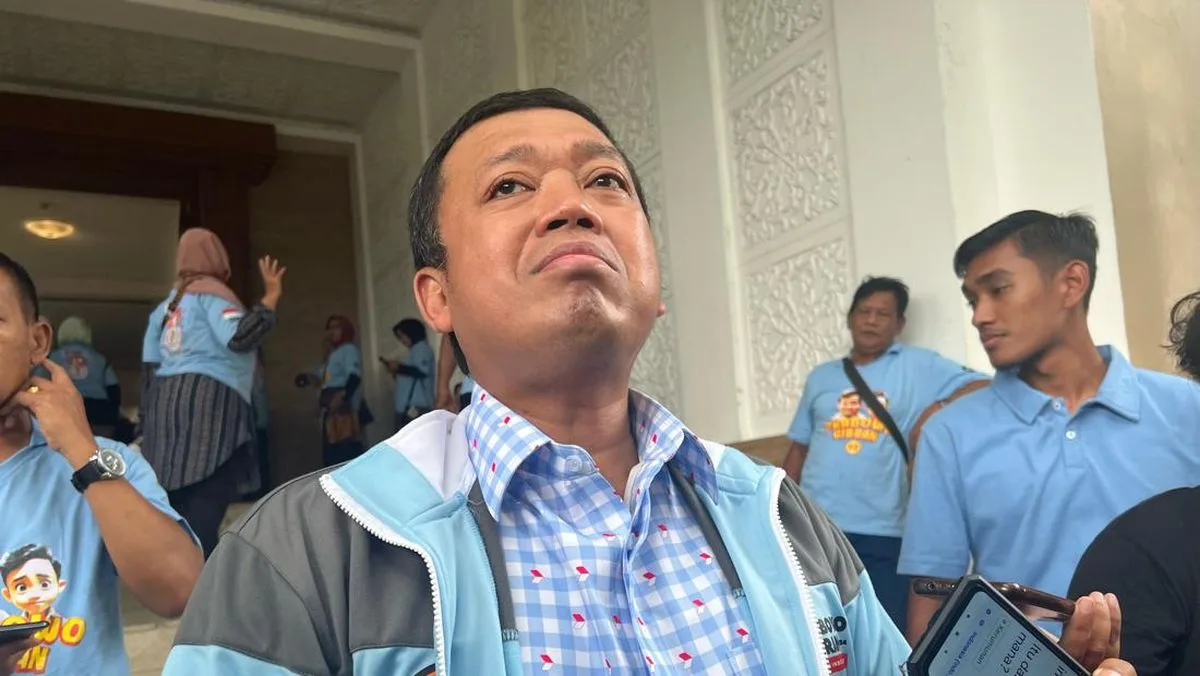
The Corruption Eradication Commission (KPK) has uncovered a shadow structure in the processing of Hak Guna Bangunan (HGB) land-use permits at the Ministry of Agrarian Affairs and Spatial Planning/National Land Agency (ATR/BPN). The structure is alleged to have been run by a number of confidants of Minister Nusron Wahid, acting as intermediaries between private parties and officials within the ministry.
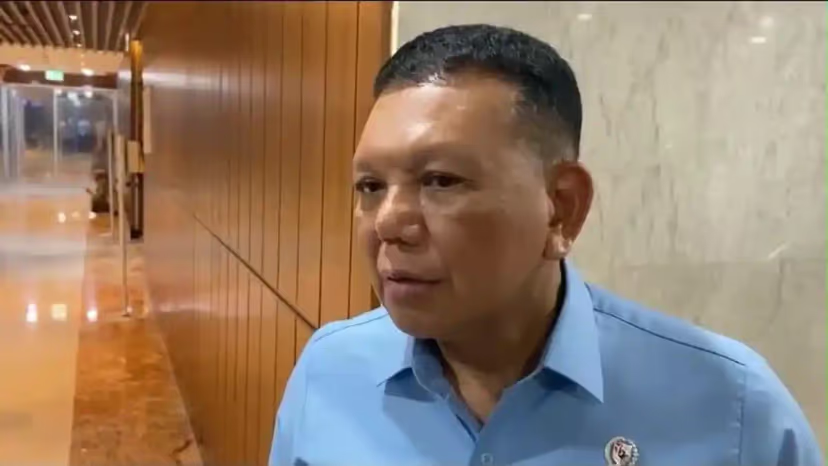
KPK spokesperson Budi Prasetyo, at a press conference at the Merah Putih Building in Jakarta on Wednesday (16/9), said PT Summarecon used the services of an intermediary to communicate with the Head of the Bogor Land Office (Kantah). The intermediary, Erwin (ERW), has been named a suspect. "Erwin, as a confidant or representative of the Minister of ATR/BPN, is a private party. However, the case construction captures that Erwin had access to parties at ATR/BPN, one of them Sontang Coin Manurung, Head of Kantah Bogor I," Budi said.
Budi added that the finding reinforced suspicions of two structural charts at ATR/BPN: the official organizational structure and a shadow structure. "Why is that? Because we see the many layers, the many circles outside the ATR/BPN structure," he said. He named several figures, including Fahd El Fouz alias Fahd A Rafiq and Arif Sugiyanto, former Kebumen Regent, who acted as collectors, money managers, and links between external parties and state officials.
The case came to light after KPK carried out a sting operation (OTT) on Tuesday (15/9) night. In the case construction, Adrianto Pitojo Adhi and Rizal Pahlevi are alleged to be the bribe givers, while Sontang and Erwin, as well as Lampri with Arif Sugiyanto, Fahd A Rafiq, and Muhammad Fakhry, are alleged to be the recipients. The suspects are charged under Article 12 letters a or b and/or Article 12B of the Corruption Law, as well as articles in the Criminal Code and the Criminal Adjustment Law.
"This means we see what appears to be two structural charts at ATR/BPN. There is an official organizational chart, and there is also a chart that looks like a shadow." — Budi Prasetyo, KPK spokesperson
Constitutional law observers consider such shadow structures common in ministries that manage strategic resources. According to them, the presence of intermediaries shows weak internal oversight and a large opening for bureaucratic rent-seeking. "This is not merely an ordinary bribery case, but an indication of a parallel system eroding land governance," said a public policy analyst who declined to be named.
The impact of this case on Indonesia's property investment climate is significant. The property sector, especially large developers such as Summarecon, relies heavily on legal certainty in processing land permits. The uncertainty created by this case could reduce investor confidence, both domestic and foreign, which has so far relied on official procedures. The government needs to carry out reforms promptly to prevent a capital exodus from the property sector.
In addition, the case highlights the importance of bureaucratic reform at the Ministry of ATR/BPN. The ministry has often been in the spotlight over illegal levies and bribery in processing land certificates. Ordinary citizens are often victims too, even though they are not part of large networks. Without systemic improvement, similar cases could recur.
Going forward, the public awaits whether the investigation will uncover the masterminds behind this shadow structure. KPK has 20 days to probe each suspect's role. The question is whether the case will stop at eight suspects, or instead become an entry point to expose broader corruption practices in the land sector.