Roy Suryo's First Hearing Set for Tomorrow, Authenticity of Jokowi's Diploma Called Central Object
Baca dalam 60 detik
- PN Jakarta Timur menjadwalkan sidang perdana Roy Suryo pada Kamis (17/9/2026) pukul 10.30 WIB dengan agenda pembacaan dakwaan, berselang setelah sidang lanjutan Dokter Tifa pukul 09.00 WIB.
- Kuasa hukum Roy Suryo menegaskan substansi perkara sesungguhnya bersandar pada status keaslian dokumen ijazah Jokowi, bukan semata pasal pencemaran nama baik dan manipulasi dokumen elektronik yang didakwakan.
- Klaim adanya kontradiksi sikap UGM—yang mengakui Jokowi sebagai alumnus namun dinilai tidak membuka data akademik melalui KIP—berpotensi menjadikan persidangan ini uji publik atas transparansi informasi perguruan tinggi negeri.
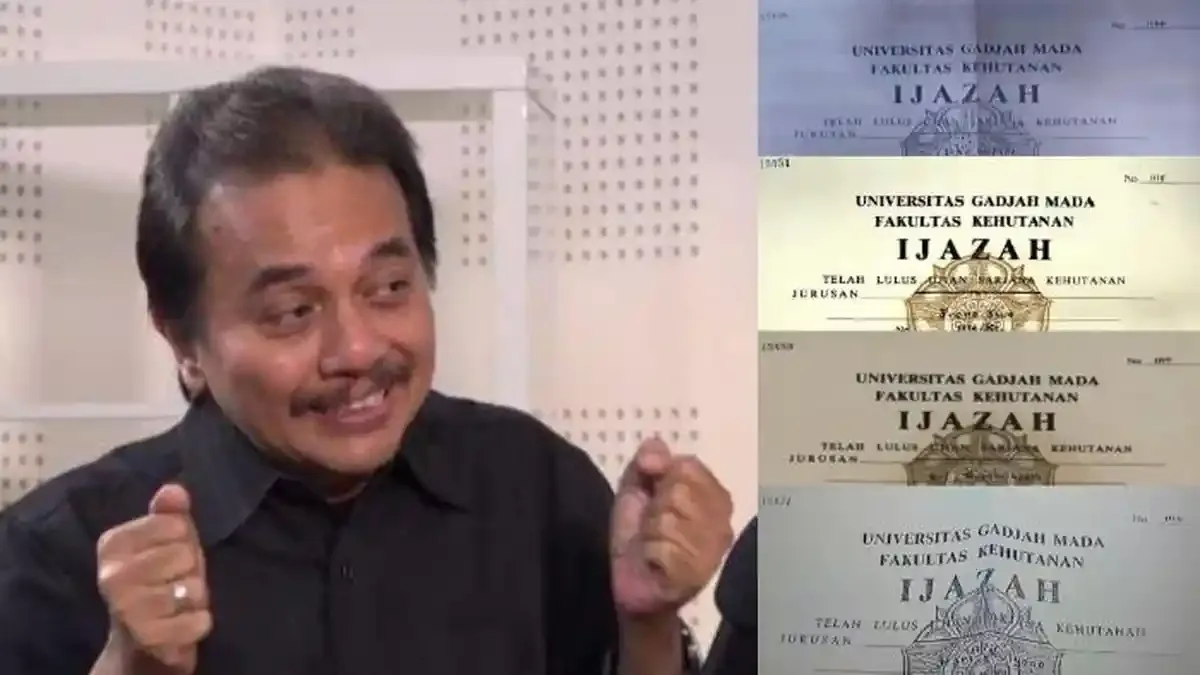
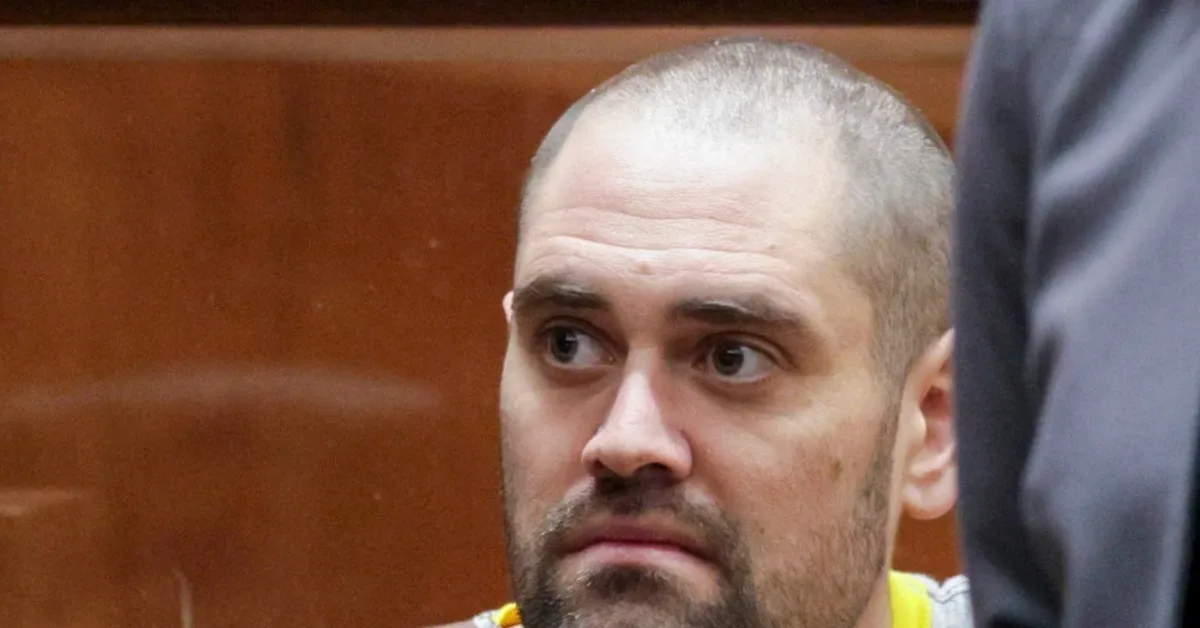
The East Jakarta District Court has confirmed that the first hearing for telematics expert Roy Suryo in the case of alleged forgery of the diploma of Indonesia's 7th President, Joko Widodo, will take place on Thursday (17/9/2026) at 10.30 WIB, with the agenda being the reading of the indictment by the public prosecutor. The case, registered under number 300/Pid.B/2026/PN JKT.TIM, marks the starting point of a legal battle predicted to drag in a broader debate over access to academic data of public institutions.
On the same day, another defendant in a series of similar cases, Tifauzia Tyassuma, also known as Dokter Tifa, will first undergo a follow-up hearing at 09.00 WIB. A spokesperson for the East Jakarta District Court, Immanuel Tarigan, confirmed the scheduling and stated that the two are at different stages of the process. For Roy Suryo, Thursday will be his formal debut in the courtroom after a lengthy investigation.
Notably, Roy Suryo's legal counsel, Abdul Gafur Sangadji, does not place the articles on defamation, slander, and electronic document manipulation at the center of the defense. According to him, the heart of the case lies instead in the authenticity of Jokowi's diploma from the Faculty of Forestry at Universitas Gadjah Mada. He made that argument on the Kompas Petang program on Wednesday (16/9/2026).
Abdul Gafur highlighted what he considers an inconsistency in Universitas Gadjah Mada's stance. Although the university has declared Jokowi an alumnus, he claims that requests for academic data through the Central Information Commission were not fulfilled. The appeals up to cassation pursued by UGM against the KIP ruling, according to him, reinforce suspicions of an effort to close public information that should be open.
"So indeed the criminal indictment is defamation and slander, then there is alteration and manipulation of electronic documents. But actually the object here is related to the object of Mr. Joko Widodo's diploma," said Abdul Gafur Sangadji, Roy Suryo's legal counsel.
That statement places the trial not merely as a space to test criminal elements, but also as an arena for proving the integrity of state documents. If the panel of judges later accepts the argument that the core of the dispute is the authenticity of the diploma, then the burden of proof will shift from the defendant's malicious intent toward the validity of academic archives. Conversely, if the defamation articles are prioritized, the focus will return to the limits of freedom of expression and public criticism of officials.
From the perspective of procedural law, the reading of the indictment is a crucial moment. The public prosecutor will lay out the construction of the case, including the elements alleged to be fulfilled. Roy Suryo's defense team has the opportunity to file an exception to the indictment. The public needs to scrutinize whether those objections touch on the substance or are merely administrative formalities.
For readers in Indonesia, especially investors and market participants, this case holds a signal larger than mere political drama. Transparency of academic data at state universities concerns public information governance, which is one indicator of institutional risk. When requests for data through the KIP end in a series of appeals up to cassation, the question arises whether higher education institutions are accountable enough in responding to information requests. This precedent could influence how the public assesses the credibility of official documents, including in the context of business and investment due diligence that often relies on background verification.
In addition, this case tests the consistency of ITE Law enforcement in the public sphere. Accusations against high officials always sit at the intersection between the right to criticize and the limits of defamation. The court's eventual ruling will serve as an indirect reference for similar cases, including those involving netizens and academics.
What bears watching is how the trial will reveal the extent to which the court can separate the substance of documents from the political narrative surrounding them. If the authenticity of the diploma truly becomes the central object, the public deserves evidence-based clarity, not one-sided claims. The question is, will this trial bring clarity to the document's status, or merely add another layer to an endless debate?