Shaquille Ali-Yebuah of Death in Paradise: Three Surgeries in a Month, Grief at the Operating Table
Baca dalam 60 detik
- Aktor Shaquille Ali-Yebuah menjalani tiga operasi dalam empat minggu akibat pneumotoraks spontan berulang saat berada di Los Angeles.
- Di tengah krisis kesehatan, ia menerima kabar sepupunya tewas ditembak polisi di Jamaika, menambah beban psikologis yang berat.
- Kisahnya menyoroti pentingnya kesadaran kesehatan paru dan dukungan mental bagi pekerja seni di industri hiburan global.
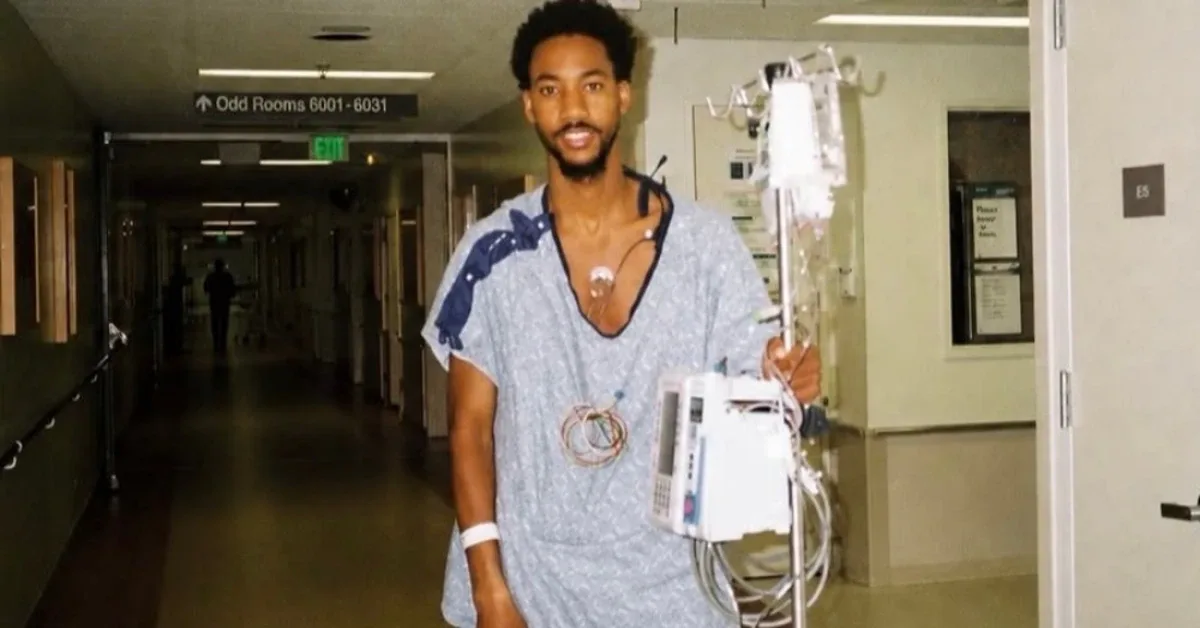
British actor Shaquille Ali-Yebuah, known as Officer Sebastien Rose in the BBC crime comedy series Death in Paradise, has revealed a traumatic experience that nearly cost him his life. The 31-year-old had to undergo three surgeries within four weeks after suffering two spontaneous pneumothoraxes while in Los Angeles, United States. More shocking still, just before the first emergency surgery, he received news that his cousin had been shot dead by police in Jamaica.
In an Instagram post on 11 September, Ali-Yebuah recounted how a short visit to Los Angeles turned into a four-week fight for his life. He initially thought he was only suffering a chest infection, but medical examinations revealed his lungs had been collapsed for five days without him realizing it. "I was walking around with collapsed lungs for five days," he wrote, adding that he had taken the pain for an ordinary infection symptom.
After the first surgery, he was told he had to stay in LA until he received clearance to fly. However, in a follow-up examination two weeks later, an X-ray showed his lungs had collapsed again. The condition forced him to undergo a second and third surgery. "Three surgeries in four weeks... I used to be afraid of needles, now I have to be injected twice a day for blood draws. Fear became routine," he said.
The mental pressure Ali-Yebuah faced did not come only from his physical condition. He said he had to sign a surgery consent form listing the risk of not waking up, right after receiving news of his cousin's death. "Imagine having to process someone's death while someone else asks you to sign a document for the possibility that you won't wake up again," he recalled. After the surgery, he received more bad news that another cousin had been detained.
During his treatment, Ali-Yebuah felt death was very close. The hospital television kept broadcasting obituaries about celebrities he had known as a child. "Death felt so present as I lay there struggling to breathe, alone with my thoughts," he said. The experience made him reconsider the fast pace of his life. "I was always chasing dreams, the next flight, the next version of myself. Maybe God forced me to be still," he said.
"They say you only live once, but I disagree. You only die once, but you live every day. Make it count."
— Shaquille Ali-Yebuah
Ali-Yebuah also mentioned that the lead doctor who handled his first surgery was a huge fan of Death in Paradise. "What are the odds? We are grateful, not wallowing in grief, all of this is part of the journey," he said. He stressed that spontaneous pneumothorax cannot be prevented, so he sees this string of events as a signal to pause from a life that is always on the move.
Indonesian Context: Lung Health Awareness and the Mental Burden on Arts Workers
Ali-Yebuah's story mirrors Indonesia's entertainment industry, which often demands high mobility and irregular working hours. Spontaneous pneumothorax, though rare, can strike anyone, especially thin young men and smokers. Its symptoms are often dismissed as ordinary chest pain, even though it can be fatal if not treated promptly. In Indonesia, awareness of this condition remains low, and access to emergency lung services in the regions is uneven.
In addition, the psychological pressure Ali-Yebuah experienced highlights the importance of mental health support for arts workers. Indonesia's entertainment industry does not yet have a well-established mental health protection system. Many actors and production crew work without adequate health insurance, while the demands of intensive shooting often disregard physical and emotional conditions. This story could trigger discussion about the need for working-hour regulations and counseling services in film and television production environments.
Going forward, will the global entertainment industry—including Indonesia's—take physical and mental health more seriously as a priority, rather than merely a professional demand? Ali-Yebuah has given a valuable lesson: the body may collapse, but the spirit to rise must keep burning.