Lena Dunham Announces Birth of Child via Surrogate: A Long Journey After Hysterectomy
Baca dalam 60 detik
- Lena Dunham dan suaminya, Luis Felber, menyambut kelahiran anak perempuan melalui program surogasi, diumumkan lewat esai di Vogue.
- Kelahiran ini menjadi momen emosional bagi Dunham yang menjalani histerektomi pada 2017 akibat endometriosis, sehingga tidak bisa mengandung sendiri.
- Pengalaman surogasi Dunham membuka diskusi tentang akses dan stigma metode reproduksi berbantuan, termasuk di Indonesia yang masih terbatas regulasinya.
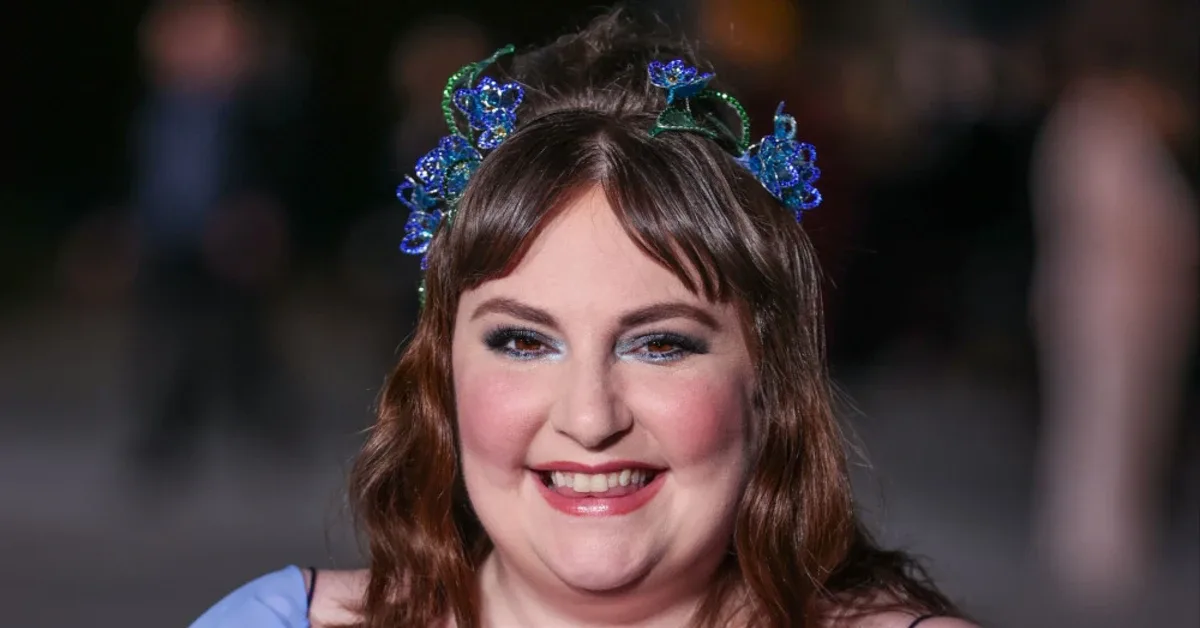
The creator of Girls, Lena Dunham, has officially become a mother after she and her husband, musician Luis Felber, welcomed the birth of a baby girl via surrogate. Dunham shared the news in an opinion essay published in Vogue, followed by confirmation from a source close to the couple to People that the pair are now enjoying the early days of parenting at home.
This birth marks a new chapter for Dunham, 40, who underwent a hysterectomy in 2017 at age 31 to address pain caused by endometriosis. The procedure left her without a uterus, making biological pregnancy impossible. In an interview with The Times in July 2025, Dunham described the surgery as "a grief, but also a relief" because she had never truly experienced a normal reproductive cycle.
In her essay, Dunham revealed that her baby was 13 days late, arriving just as a solar eclipse and meteor shower occurred. She recounted the moment in the hospital room, waiting between the legs of a woman she had known for only a year. "I sat on the hospital bed, waiting for a glimpse of the person I had waited for patiently, but also not patiently at all," she wrote.
Interestingly, Dunham said she did not feel jealous in the way she had imagined toward her surrogate. Instead, she envied her baby, who could feel the warmth and safety of that woman's womb. "I can only guess that she knows how to drive an SUV in the snow," she said, using a metaphor.
"Hello... I'm your mother. You... you don't look like what I imagined, but exactly like this. We've been waiting for you, did you know? We're so glad you came." — Lena Dunham in her essay for Vogue.
Dunham's journey to motherhood has not been without twists. After her hysterectomy, she was unsure whether she could have children. But in a 2025 interview, she hinted that she and Felber were exploring various ways to expand their family. Now that hope has materialized through surrogacy, a method that still sparks debate in many parts of the world, including Indonesia.
In Indonesia, surrogacy is regulated by Health Law No. 17 of 2023, which prohibits commercial surrogacy but allows it under certain conditions, such as uterine incapacity. Nevertheless, implementation remains rare due to cultural, religious, and cost factors. Dunham's story highlights how assisted reproductive technology is increasingly becoming an option for those facing biological obstacles, while also triggering ethical debates about the limits of medical intervention in pregnancy.
For the Indonesian public, this story can serve as a mirror of the importance of psychological and medical support for women with conditions such as endometriosis. The disease affects about 10% of women of reproductive age worldwide, according to WHO data, and often goes undiagnosed for years. Access to treatment and alternatives for having children remains a challenge, especially in areas with limited health facilities.
Going forward, a question arises: will Dunham's story encourage a broader discussion about surrogacy regulation and reproductive rights in various countries, including Indonesia? As more public figures open up about their reproductive journeys, pressure on policymakers to review existing legal frameworks is expected to increase. Is society ready to accept diverse paths to parenthood, or will it become even more polarized?