Pelindo Switches On 500 kVA Onshore Power at Priok, Cuts Ship Emissions by Up to 75%
Baca dalam 60 detik
- Pelindo resmi mengoperasikan fasilitas Onshore Power Supply berkapasitas 500 kVA di Dermaga 004 Tanjung Priok, memungkinkan kapal sandar mematikan mesin bantu dan beralih ke listrik darat.
- Uji coba menunjukkan potensi penurunan emisi gas buang sampai 75% dan penghematan biaya energi 40–64% dibanding genset, dengan target 24 unit di Priok pada 2027 dan 123 unit nasional pada 2050.
- Langkah ini memperkuat posisi Tanjung Priok sebagai pelabuhan hijau dan membuka peluang bisnis layanan energi bagi investor serta operator logistik di Indonesia.
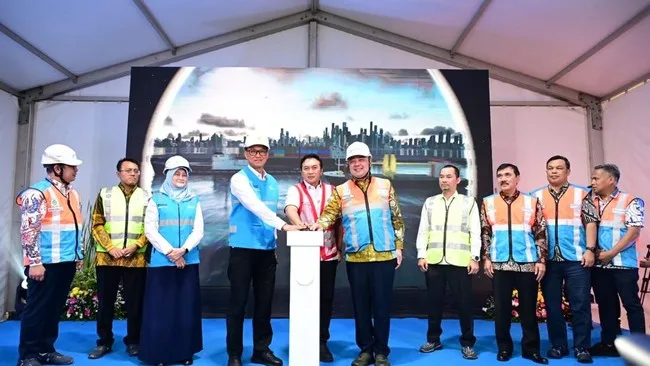
PT Pelabuhan Indonesia (Persero), or Pelindo, officially began operating a 500 kVA Onshore Power Supply (OPS) service at Dermaga Serbaguna Nusantara, PNP Terminal Dermaga 004, Tanjung Priok Port, Jakarta, on Wednesday (16/9/2026). The onshore power facility allows berthed ships to shut down their auxiliary engines and draw electricity directly from the shore grid.
The move is not merely an infrastructure addition. OPS marks the early stage of Tanjung Priok's transformation into a green port, in line with increasingly strict global maritime standards on emissions in port areas. The launch was attended by representatives of the Ministry of Transportation, the Ministry of Energy and Mineral Resources, the Tanjung Priok Main KSOP, the Port Police, the Indonesian Shipowners Association (INSA), PT PLN (Persero), and Pelindo Group officials.
Head of the Tanjung Priok Main KSOP, Capt. Heru Susanto, said the implementation of OPS at Priok could become a best practice replicated at other ports. "We believe the implementation of OPS at Tanjung Priok Port can become a best practice and part of the transformation of ports in Indonesia toward greener, more efficient, competitive and sustainable ports," he said in a written statement.
Pelindo President Director Achmad Muchtasyar stressed that OPS is a concrete step toward delivering more efficient, clean, and reliable energy. "OPS is not just replacing a ship's power source from generators to onshore electricity. This is a concrete step in the transformation of Tanjung Priok Port toward a green port," Achmad said. He added that the port ecosystem of the future must become increasingly productive and sustainable at the same time.
Support from PT PLN (Persero) is crucial because OPS depends on the reliability of onshore power supply. PLN President Director Darmawan Prasodjo said the collaboration boosts the productivity of maritime businesses through energy savings while also curbing emissions. The shore-to-ship power scheme allows a ship's electricity needs, such as hotel load, reefer, and pumps, to be supplied from shore, so auxiliary engines can be shut down while berthed.
"As the operator, PT EPI ensures the reliability of power supply and the technical readiness of services at the dock. OPS also opens up the development of more measurable energy services for service users based on electricity consumption and the level of service required," said Andriyuda Siahaan, President Director of PT Energi Pelabuhan Indonesia (EPI).
PT EPI, part of Pelindo Group, is tasked with managing OPS services, including internal electricity distribution in the port area. The facility at Dermaga 004 has passed the Site Acceptance Test and was trialed on a commercial vessel in July 2026. Measurements on two test vessels showed potential energy cost savings of around 40% to 64% compared with the use of generators, depending on engine type and fuel. Reduced running hours of auxiliary engines also lower maintenance needs and extend overhaul intervals.
On the environmental side, testing estimates that OPS can cut ship exhaust emissions by up to 75%. Local emissions such as nitrogen oxides (NOx), sulfur oxides (SOx), and particulates can be eliminated while a ship relies fully on onshore power. Noise and vibration in the dock area are also reduced, creating a better working environment for port workers and nearby communities.
For Indonesian readers, especially investors and logistics players, OPS opens up two things at once: efficiency in ship operating costs and business opportunities in energy services within port areas. With a target of 24 units at Tanjung Priok by 2027 and a national roadmap of 123 units by 2050, demand for investment in electricity infrastructure, shore-to-ship technology, and technical human resources will rise. Pelindo also has the opportunity to turn OPS into a new revenue model based on electricity consumption and level of service.
Going forward, the question is no longer whether Indonesian ports will switch to onshore power, but how quickly tariff regulations, incentives, and the readiness of PLN's grid at regional ports can catch up with that target. If Tanjung Priok succeeds, replication to multipurpose terminals and public docks will be the next test for the national maritime ecosystem.