Election Law Revision Confirmed for 2026 National Legislation Program, Working Committee to Be Formed Soon
Baca dalam 60 detik
- Komisi II DPR memastikan panitia kerja revisi UU Pemilu dibentuk tahun ini sesuai Prolegnas 2026.
- Pembahasan akan berjalan paralel dengan 16 RUU lain, memicu kekhawatiran tumpang tindih regulasi jelang tahapan Pemilu 2029.
- Draf revisi harus mengakomodasi putusan Mahkamah Konstitusi dan kebutuhan penyelenggara pemilu, sementara waktu pembentukan panja belum final.
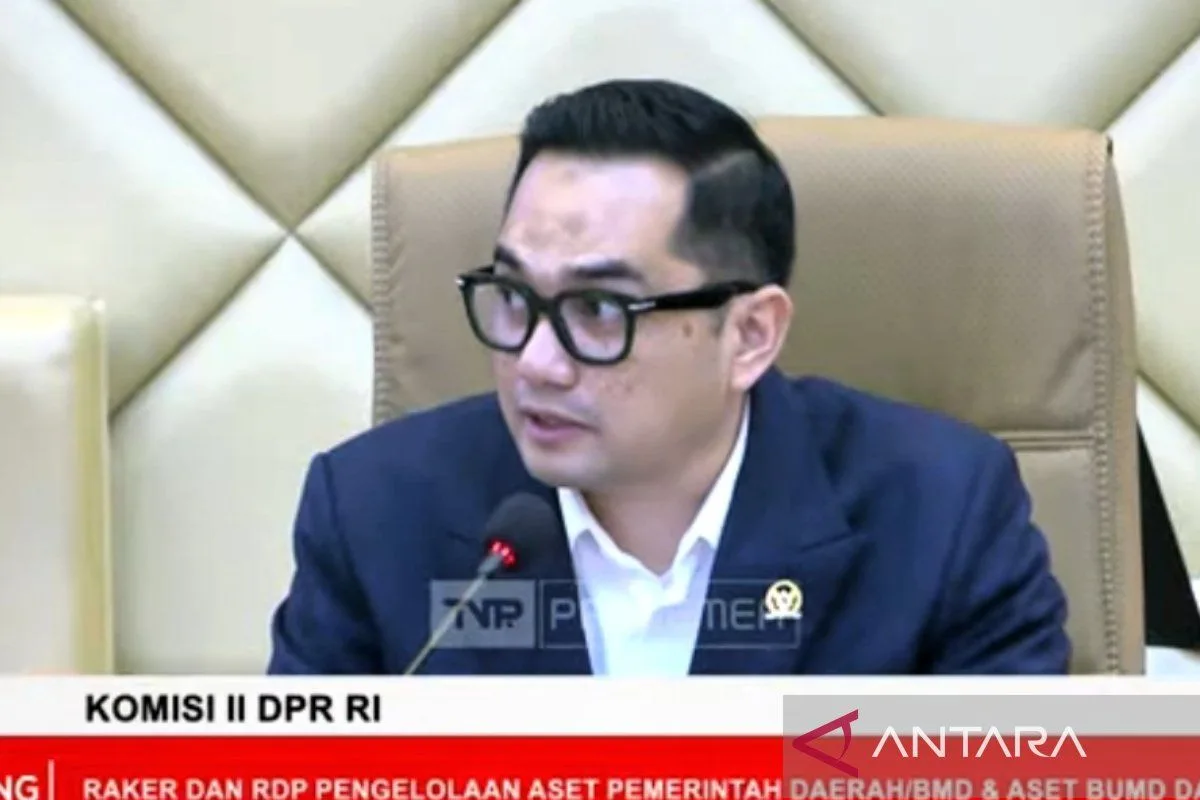
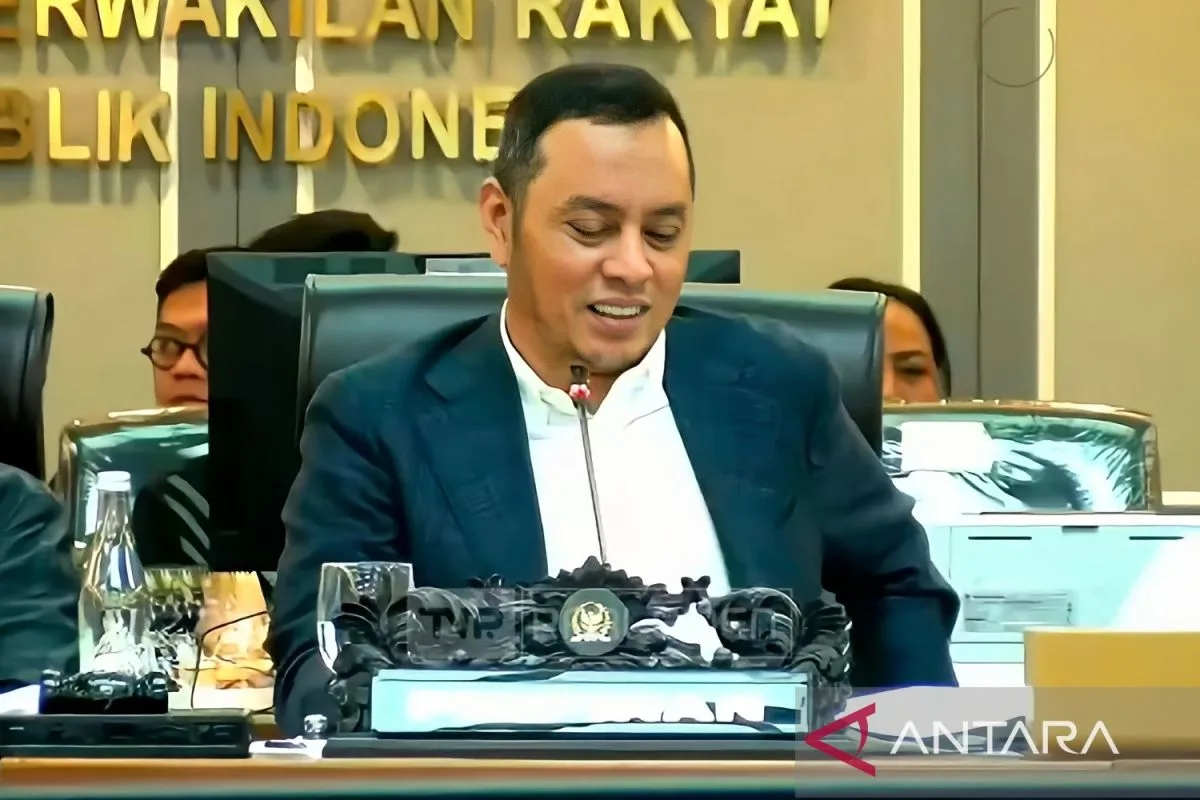
Commission II of the Indonesian House of Representatives (DPR RI) has confirmed that the formation of a working committee (panja) for the revision of Law No. 7 of 2017 on General Elections will take place in 2026. The confirmation was delivered directly by Commission II Chair Muhammad Rifqinizamy Karsayuda at the parliamentary complex in Jakarta on Wednesday, dismissing speculation that deliberations would be pushed back to 2027.
Rifqi explained that the election law revision has been included in the 2026 National Legislation Program (Prolegnas), so the logical consequence is the formation of the working committee this year. "We will form the working committee, in line with the mandate of the 2026 National Legislation Program, this year," he said. He added that Commission II is responsible for drafting the academic manuscript and the draft revision before moving to further deliberations.
Even so, the exact schedule for forming the working committee remains up in the air. Rifqi said he would announce the official timing, whether before or after the recess period. What is clear is that the election law revision will not proceed on its own. Commission II will deliberate it alongside 16 other bills, namely 15 bills on regencies/cities and the Population Administration Bill. "So there is no need to worry, the election law revision will proceed," he stressed.
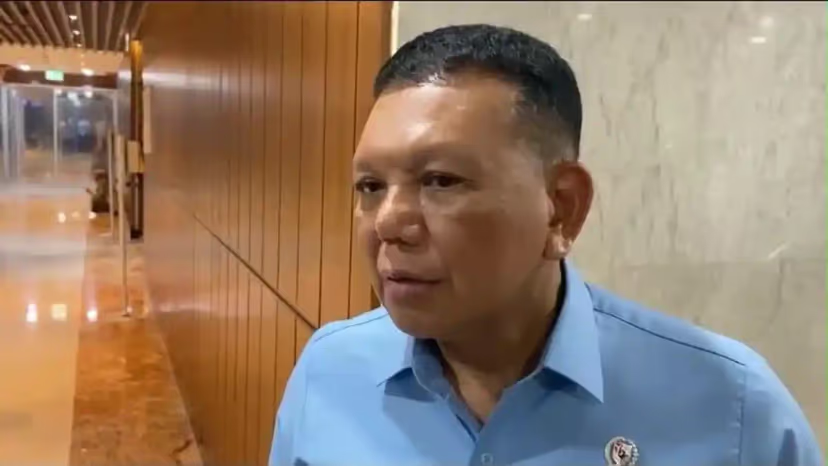
Rifqi's statement responded to concerns raised by Commission II member Ahmad Doli Kurnia Tandjung. Doli said he had received information from an internal meeting that the leadership had asked for deliberations on the election law revision to be postponed to 2027. "At the time, the information we received was that the leadership asked for it to be postponed again to 2027," Doli said on Tuesday (15/9).
Doli pushed for the deliberations not to be delayed. His reasoning: the stages of the 2029 election are already imminent, starting with the formation of the selection committee for election organizers. If the selection is held under the old regulations while the law revision is still being deliberated, he worries there will be overlapping rules. "If the selection is held now, those who want to take the test will certainly read the old rules, but later in implementation they will use the new ones. There will be a mismatch," he said.
"We will form the working committee, in line with the mandate of the 2026 National Legislation Program, this year." — Muhammad Rifqinizamy Karsayuda, Chair of Commission II, DPR RI
The election law revision is indeed a major piece of unfinished business. A number of Constitutional Court (MK) rulings that have changed the electoral landscape, such as the open proportional system and the candidacy threshold, must be accommodated. Without a revision, election organizers could face legal confusion when carrying out the stages. Election observers have previously urged the DPR to focus the revision on the MK rulings so it does not expand into controversial issues.
For market players and investors, certainty in election regulations is an important factor in maintaining a stable business climate. Unclear rules can delay long-term investment decisions, especially in sectors sensitive to political cycles. In addition, the election law revision will also determine political costs and the efficiency of implementation, which ultimately affects the state budget. The business community hopes the revision will not create new complexities that slow down the democratic process.
With the time remaining, the question now is whether Commission II can complete the revision before the 2029 election stages truly get underway, or whether it will instead get caught in a tug-of-war of political interests. All eyes will be on the DPR's concrete steps in the coming months.