Parliamentary Threshold to Rise, House Commission II Anchors Formula to Constitutional Court Ruling
Baca dalam 60 detik
- Komisi II DPR memastikan revisi UU Pemilu akan menaikkan ambang batas parlemen di atas 4 persen, dengan rasionalitas konstitusional sebagai dasar utama.
- Putusan MK Nomor 116/PUU-XXI/2023 mewajibkan pembentuk undang-undang menyusun formula baru yang proporsional, menyederhanakan partai, dan melibatkan partai tanpa kursi DPR.
- Perubahan harus rampung sebelum tahapan Pemilu 2029 dimulai, sehingga jendela legislasi efektif hanya tersisa sekitar dua tahun.
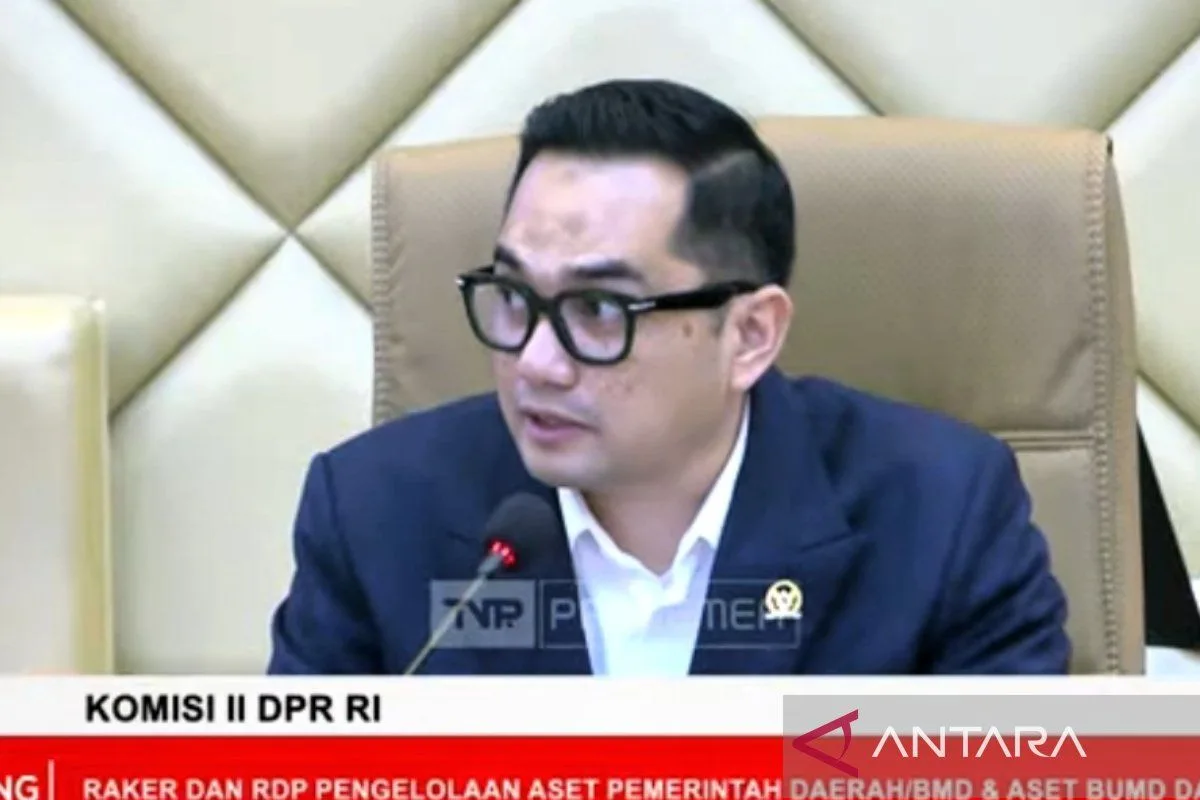
Commission II of the Indonesian House of Representatives (DPR RI) has confirmed that the revision of Law No. 7 of 2017 on General Elections will raise the parliamentary threshold above 4 percent, guided by Constitutional Court (MK) Ruling No. 116/PUU-XXI/2023. The chair of Commission II, Muhammad Rifqinizamy Karsayuda, stressed that the most important thing is not merely the percentage figure, but the ability to rationalize where the number comes from and for what purpose.
Rifqi made the statement at the parliamentary complex in Senayan, Jakarta, on Wednesday, marking a new phase in deliberations on the Election Bill that have so far moved slowly. Based on preliminary talks among factions, the threshold figure is planned to be higher than 4 percent. Several coalition parties are even said to have discussed a 5 percent option, though no official decision has been made.
The move responds to the MK's February 2024 ruling, which upheld the 4 percent threshold for the 2024 legislative election but ordered a change for the 2029 election and beyond. In its considerations, the Court found no basis of rationality in the setting of the 4 percent figure, including the methods and arguments used. The MK then provided five points of guidance for drafting a new threshold.
The first point of the MK guidance states that the threshold must be designed for sustainable use. Second, the change in norms must remain within the frame of preserving the proportionality of the proportional election system, particularly preventing a large share of votes from failing to convert into DPR seats. Third, the change is placed in the context of realizing the simplification of political parties. Fourth, the change must be completed before the 2029 election stages begin. Fifth, the change must involve all parties, including election-contesting parties that have no representation in the DPR.
"The most important thing is based on the Constitutional Court's ruling. It is not just about the percentage, but then we can rationalize where that percentage comes from and for what," Rifqi said.
From an election perspective, the five points of MK guidance are not merely a formality. A threshold that is too high risks eroding proportionality and reviving the problem of wasted votes. Conversely, a threshold that is too low is considered ineffective at simplifying parties. Commission II is required to find a middle ground that can be constitutionally justified.
For readers in Indonesia, especially investors and professionals, this decision has a direct impact on the coalition map and government stability after 2029. A higher threshold could reduce the number of parties in Senayan, so that the coalition supporting the government can be leaner and economic-political decision-making faster. However, the risk of fragmentation outside parliament still needs to be anticipated if small parties lose representation.
Several quarters are pushing the DPR to focus on the MK ruling in the Election Bill. Coalition parties such as Gerindra and Golkar-PKS have voiced the 5 percent option, while PDI Perjuangan, through Hasto Kristiyanto, has emphasized the importance of dialogue and study. This dynamic shows the tug-of-war of interests among parties ahead of the 2029 election.
What needs to be watched is that the deadline for completing the new threshold is before the 2029 election stages begin. With the election cycle usually rolling about two years before polling day, the effective legislative window is only until 2027. Commission II must complete the formula, the constitutional argumentation, and public consultation in a tight timeframe.
Going forward, the question is not only what percentage threshold will be agreed, but how far the drafting process truly accommodates the principle of meaningful public participation as ordered by the MK. If the DPR fails to rationalize the figure transparently, the next MK ruling could again annul the norm, and political uncertainty will weigh on the investment climate.