Xi Jinping Brings Global Civilization Initiative to Jakarta, IFSRC Becomes New Vehicle for Indonesia-China Diplomacy
Baca dalam 60 detik
- Peluncuran Indonesia Friends of Silk Road Club (IFSRC) di Jakarta Pusat menandai babak baru diplomasi people-to-people Indonesia-China yang digagas sejak 2013.
- Global Civilization Initiative (GCI) yang dibawa Xi Jinping menawarkan empat pilar utama: penghormatan keragaman peradaban, nilai universal, warisan-inovasi, dan pertukaran antarmasyarakat.
- IFSRC akan menggelar roadshow ke sejumlah kota, pertukaran pemuda-pelajar, serta diskusi yang melibatkan pebisnis — membuka peluang jejaring ekonomi dan sosial bagi profesional Indonesia.
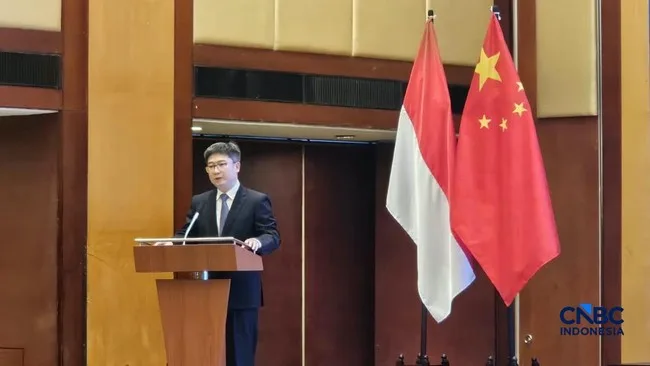
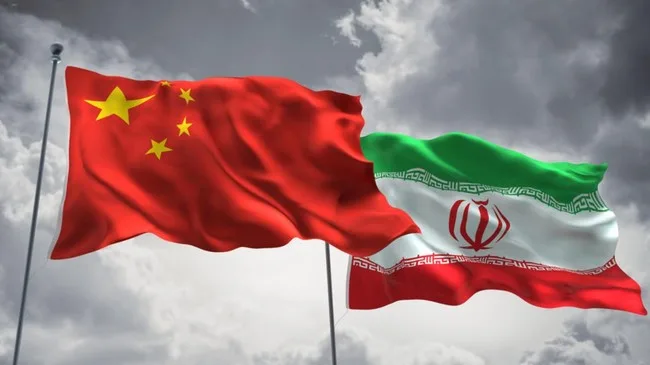
Chinese President Xi Jinping brought the Global Civilization Initiative (GCI) to Indonesia, and the idea resurfaced at the launch of the Indonesia Friends of Silk Road Club (IFSRC) in Central Jakarta on Tuesday (15/9/2026). The launch marks Beijing's effort to expand influence through cultural and civil society channels, not just infrastructure and trade.
Zhou Kan, Chargé d'Affaires at the Chinese Embassy in Indonesia, stressed that GCI is not a new concept. He recalled that in 2013, when Xi Jinping addressed the Indonesian House of Representatives (DPR RI), he first proposed the 21st Century Maritime Silk Road. "The idea carries forward the spirit of the Ancient Silk Road while opening new space for trade, connectivity, and people-to-people exchanges," Zhou said at the event.
Zhou outlined four main calls of GCI: respecting the diversity of world civilizations, upholding the common values of humanity, valuing the inheritance and innovation of civilizations, and strengthening international people-to-people exchanges and cooperation. According to him, these principles are relevant amid an increasingly complex global situation. "This is very important to refute the theory of the clash of civilizations and the theory of superior-inferior civilizations, and to enhance mutual understanding and trust between countries," Zhou said.
Ahmad Syaifuddin Zuhri, Director of the Sino-Nusantara Institute, emphasized that IFSRC was formed to strengthen Indonesia-China relations through people-to-people channels. "The strengthening of Indonesia-China relations does not only happen at the intergovernmental level, but most importantly at the community level," he said. He added that his organization has prepared a roadshow agenda to various cities to promote civilizational exchange between the youth of both countries.
"The idea carries forward the spirit of the Ancient Silk Road while opening new space for trade, connectivity, and people-to-people exchanges." — Zhou Kan, Chargé d'Affaires at the Chinese Embassy in Indonesia
For Indonesia, the launch of IFSRC and the mainstreaming of GCI is not merely a ceremonial event. It is a signal that China is taking public diplomacy in the country more seriously, complementing the economic approach already underway through the Belt and Road Initiative (BRI). For professionals, academics, and business players, the youth exchange programs, seminars, and business discussions planned by IFSRC can be a channel for building cross-country networks — as well as an opportunity to understand the dynamics of the Chinese market more directly.
However, people-to-people diplomacy also brings its own challenges. Amid rising geopolitical competition in the Indo-Pacific region, cultural and social closeness with China can trigger questions about Indonesia's sovereignty and foreign policy orientation. The Indonesian government consistently affirms its free-active position, but the strong flow of community exchanges could test the state's ability to maintain a balance of interests.
Going forward, the public will wait to see whether IFSRC can produce programs that are truly inclusive and have a real impact, or whether it will only be a ceremonial platform. The key question: to what extent will this initiative provide economic and social benefits for the wider public, not just for a small elite connected to the business networks of both countries?