Kim Jong Un Edges Closer to Putin: A New Military Axis Reshaping Asia's Geopolitical Map
Baca dalam 60 detik
- Kim Jong Un secara eksplisit menyatakan dukungan penuh kepada Vladimir Putin dan berkomitmen memperluas kerja sama bilateral Korut-Rusia.
- Aliansi Pyongyang-Moskow berpotensi mengubah keseimbangan kekuatan di Asia Timur dan memicu respons berantai dari AS, Korea Selatan, serta Jepang.
- Bagi Indonesia, poros ini dapat memengaruhi stabilitas kawasan, harga energi, dan posisi diplomasi non-blok di tengah persaingan kekuatan besar.
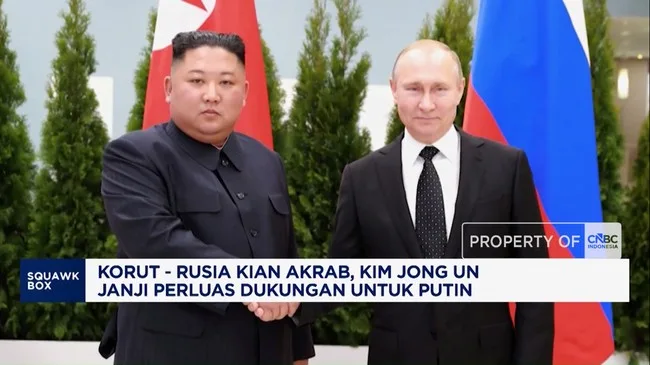
North Korean leader Kim Jong Un reaffirmed his commitment to expanding and deepening cooperation with Russia, including providing direct support to President Vladimir Putin. The statement was made on CNBC Indonesia's Squawk Box program on Tuesday (15/9/2026), marking a new chapter in increasingly close Pyongyang-Moscow relations amid pressure from international sanctions.
Kim's move is not merely a routine diplomatic statement. It comes as Russia still faces isolation from Western countries over the war in Ukraine, while North Korea continues to look for ways to reduce its dependence on China. Both sides have mutually beneficial strategic interests: Moscow needs ammunition and labor supplies, while Pyongyang wants advanced military technology and political recognition on the global stage.
What sets this moment apart from previous cooperation is the explicit level of Kim's support for Putin. If Pyongyang and Moscow previously communicated mostly through closed channels, Kim is now openly voicing support. This underscores a shift from a transactional relationship to a more institutionalized strategic partnership.
For Indonesia, this development is not just news from a distant part of the world. As a non-aligned country that actively promotes regional peace and stability, Jakarta has a direct stake in the dynamics on the Korean Peninsula and in East Asia. A Pyongyang-Moscow axis could trigger a new arms race in the region, which in turn would affect the defense budgets of ASEAN countries and shift focus from economic cooperation to military readiness.
"Kim's open support for Putin signals that North Korea is no longer trying to hide its position amid great-power rivalry," said a defense analyst monitoring East Asian developments, as quoted from a limited panel discussion.
From an economic standpoint, rising tensions in East Asia could affect energy and commodity prices. As an oil and gas importer, Indonesia would feel the market turmoil directly if the conflict in Ukraine widens or if sanctions on Russia are tightened. In addition, global investors tend to hold back in regions considered high-risk, which could slow capital flows to developing countries, including Indonesia.
On the other hand, Indonesia's position as ASEAN chair and a G20 member gives it room to play a mediating role. Jakarta can push for multilateral dialogue involving all parties, without having to take sides. However, the effectiveness of this diplomacy depends on Indonesia's consistency in upholding its free and active principle amid pressure from major powers.
Going forward, the question is no longer whether North Korea and Russia will grow closer, but how far this partnership will reshape East Asia's security architecture. If Pyongyang succeeds in obtaining sensitive military technology from Moscow, the balance of power on the Korean Peninsula will shift, forcing South Korea and Japan to adjust their defense strategies. Indonesia needs to anticipate the indirect effects, especially on regional stability and national economic interests.