Blocked by System, Camphor-Inhaling Woman Boards Commuter Line Again — KAI Commuter Admits Surveillance Gap
Baca dalam 60 detik
- Seorang penumpang wanita yang sebelumnya di-blacklist kembali masuk ke Commuter Line dan diamankan petugas di Stasiun Cawang pada Jumat malam.
- KAI Commuter mengandalkan integrasi CCTV Analytics dan laporan pengguna untuk mendeteksi pelanggar, namun kejadian ini menunjukkan sistem pemblokiran belum sepenuhnya menutup akses.
- Insiden ini menjadi ujian bagi kesiapan operator angkutan publik dalam menegakkan aturan tanpa mengorbankan prinsip pelayanan inklusif.
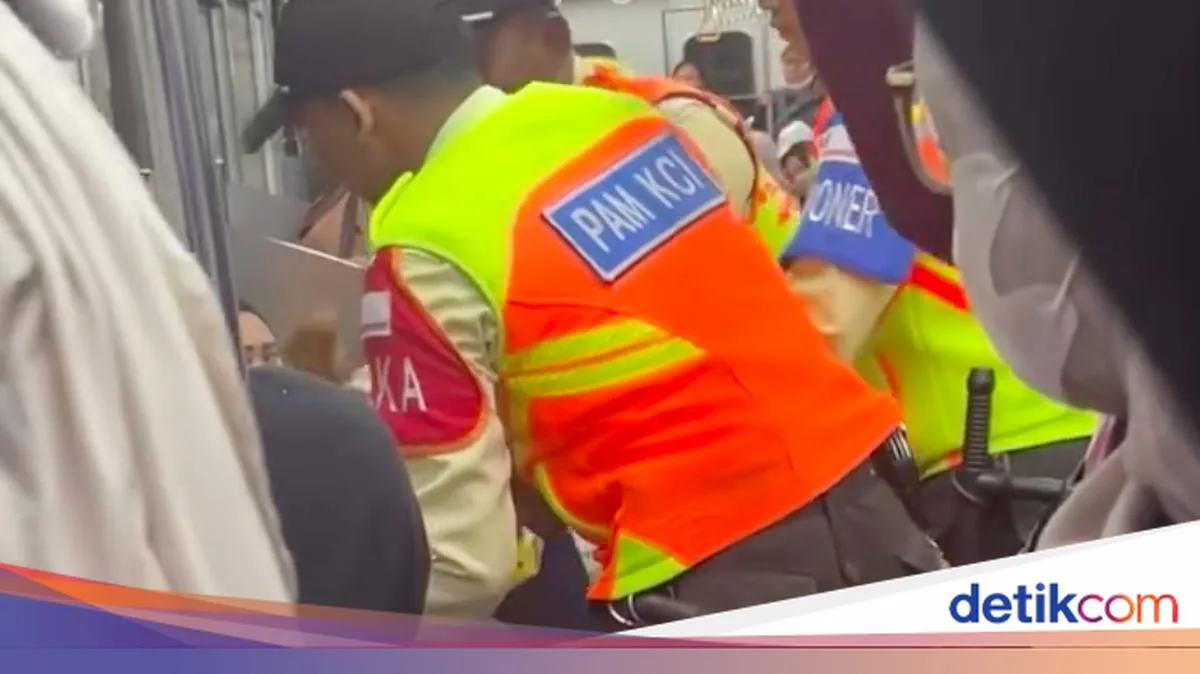
A female passenger who previously drew public attention for shouting angrily and inhaling camphor inside a Commuter Line train boarded again on Friday (11/9) evening, even though her name had been placed on a blacklist. KAI Commuter Indonesia (KCI) confirmed the incident and said officers removed the woman from a train on the Nambo–Jakarta Kota route at around 21.25 WIB.
The incident came to light after video footage showing the woman being evacuated by Rail Security (PAM Walka) officers together with the station security team circulated on social media. According to KAI Commuter VP Corporate Secretary Karina Amanda, the action began with monitoring by the CCTV Analytics system integrated with reports from other passengers. Officers moved quickly, approached the location, and provided persuasive education before finally removing the passenger at Cawang Station.
The incident was notable because a day earlier, Thursday (10/9) afternoon, the same woman was reported to have caused a disturbance on the Manggarai–Bogor route. KAI Commuter at the time decided to blacklist her name through the CCTV Analytic system. KCI Public Relations Manager Leza Arlan said the step was taken to prevent her from boarding again and disrupting other users' comfort. In reality, however, she was still able to slip into the platform area and board a train.
In an official statement, Karina stressed that the swift handling was part of the commitment to maintaining the safety, order, and comfort of all Commuter Line users. She also urged the public not to hesitate to report directly to the nearest officer or through official complaint channels if they encounter behavior that disrupts order.
"PAM Walka officers on patrol duty went straight to the location after receiving the report. Before securing and removing her, officers provided persuasive explanation and education about regulations and rules during the Commuter Line journey," Karina said.
The story of how the woman first went viral was recounted by a passenger named Elsa. She said the woman had been shouting angrily since boarding, then woke up sleeping passengers and slapped Elsa quite hard. The action took place in the front-most women-only car. The woman also held camphor and inhaled it, making other passengers uncomfortable, before finally getting off at Tanjung Barat Station.
For readers in Indonesia, especially regular KRL users and daily commuters in Jabodetabek, this incident highlights two important things. First, the effectiveness of the blacklist system that operators have relied on. Second, the readiness of surveillance infrastructure—such as CCTV Analytics—to detect and respond to violators in real time. KAI Commuter records a very high volume of Commuter Line passengers every day, so even a small gap can affect mass comfort.
From the perspective of public transport governance, the incident also opens discussion about the need for stricter identity verification mechanisms at station entrances, without sacrificing speed and inclusivity of service. So far, KRL passengers are not required to show identification when tapping in, so blacklist enforcement relies heavily on facial recognition or officer reports. Integration of population data and electronic tickets could be an option, though it raises questions about privacy and implementation costs.
Several KRL users appreciated the officers' responsiveness in responding to reports. However, the appreciation was also accompanied by hope that the prevention system would not be merely reactive. That is, operators need to ensure that individuals who have been blocked truly cannot access the service, rather than relying solely on manual surveillance that is prone to being missed.
Going forward, this case will be a test for KAI Commuter in balancing rule enforcement with the principle of inclusive public service. Will the operator strengthen the blacklist system with facial recognition technology at station gates, or instead add more patrol officers? What about protection for other passengers who could potentially be targeted? The public awaits concrete steps, not just appeals.