Sound Horeg Regulation to the 5 Percent Threshold: A Week of Political Signals Investors Must Watch
Baca dalam 60 detik
- Menteri Dalam Negeri Tito Karnavian tengah menyiapkan aturan penggunaan sound horeg bersama Polri, Kemenkes, dan Kemenag.
- Golkar dan PKS menyepakati usulan parliamentary threshold 5 persen dalam revisi UU Pemilu, mengubah peta koalisi ke depan.
- Kesepakatan ini berpotensi memangkas jumlah partai di Senayan dan memengaruhi stabilitas legislasi yang berdampak pada iklim investasi.
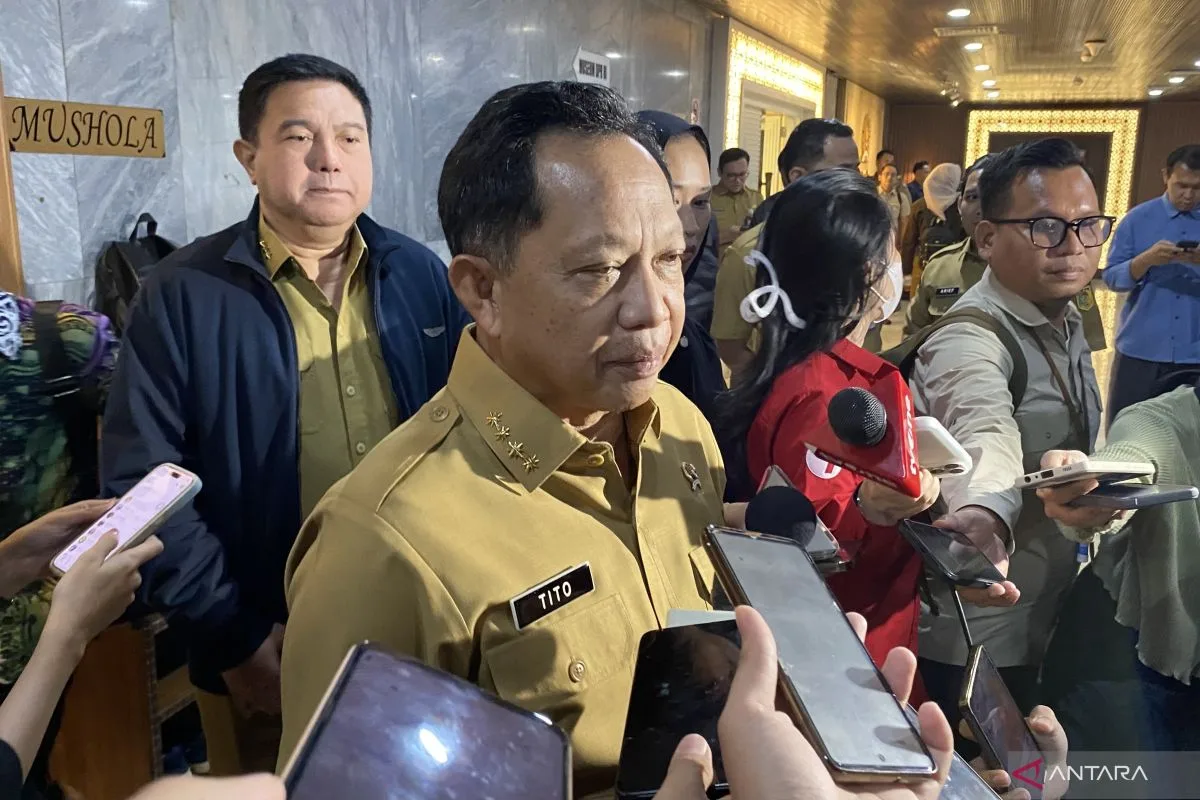
The government, through the Ministry of Home Affairs, is drafting a special regulation on the use of sound horeg—high-powered loudspeaker systems that often trigger social conflict in residential areas. Minister of Home Affairs Tito Karnavian held cross-agency discussions with the National Police (Polri), the Ministry of Health, and the Ministry of Religious Affairs to formulate rules that can balance freedom of expression with public order.
This step is not merely a response to residents' complaints. In recent years, the sound horeg phenomenon—usually used at public parties, parades, or celebrations—has triggered friction between residents, even leading to violence. Polri recorded an increase in reports of disturbances to public order caused by extreme noise, while the Ministry of Health highlighted the adverse effects on hearing health and sleep disruption, especially in densely populated areas. The Ministry of Religious Affairs was involved to ensure the rules do not clash with religious traditions that often use loudspeakers in worship activities.
What needs to be watched is that this regulation could set a precedent for public space governance in the regions. So far, many regional governments have been hesitant to take action because there is no clear legal umbrella. The presence of a central government rule will provide certainty for field officers, while opening room for dialogue between event organizers and residents. However, its effectiveness depends heavily on the extent to which the rule accommodates local cultural diversity—without falling into uniformity that instead triggers resistance.
On the other hand, parliamentary political dynamics are also heating up. Partai Golkar and Partai Keadilan Sejahtera (PKS) officially agreed to propose a parliamentary threshold of five percent in the discussion of the revision of the Election Law. The agreement was conveyed by Golkar Secretary-General Muhammad Sarmuji, who emphasized that the figure is a middle ground among the various proposals developing in the DPR.
If enacted, the 5 percent threshold policy will significantly change the national political landscape. Small parties that fail to reach the threshold will not gain seats in the DPR, reducing parliamentary fragmentation. However, as a consequence, voters' voices spread across small parties could potentially go unrepresented. A number of political analysts view this step as an effort to consolidate the strength of major parties ahead of the 2029 Election, while simplifying the decision-making process in Senayan.
For market participants and investors, political stability is a key factor. A leaner parliament is expected to speed up the deliberation of laws, including the structural reform package that has been stalled. However, there is also concern that the dominance of major parties could weaken the checks and balances mechanism, which in turn affects the quality of economic policy. Foreign investors generally favor stable and predictable governance, but they also watch the risk of excessive concentration of power.
Beyond the threshold issue, public attention is also focused on the appointment of governors as Head of the National Agrarian Reform Agency (BRAN) at the provincial level. Chairman of DPR Commission II, Muhammad Rifqinizamy Karsayuda, revealed that the governor's position will concurrently hold that post to accelerate the resolution of agrarian disputes in the regions. This policy is considered strategic given that land conflicts remain a major trigger of social tension in various regions, especially in plantation and mining areas.
In the defense arena, Minister of Defense Sjafrie Sjamsoeddin expressed appreciation for Japanese military assistance in handling forest and land fires (karhutla) in Kalimantan. This cooperation underscores the increasingly close defense diplomacy dimension between Indonesia and Japan, not only in defense equipment but also in disaster management. Meanwhile, Head of the Presidential Staff Office Dudung Abdurachman ensured that every factory in industrial areas must provide proper daycare services for female workers. This policy is part of child protection and increasing female labor force participation, which has so far been hampered by limited access to childcare.
Observing this series of events, the direction of Indonesia's public policy is moving toward more structured arrangement—from public space to the party system. But the big question: will these regulations truly strengthen democracy and welfare, or instead create dependence on central power? In the context of investment, legal certainty and social stability are the main currency. Market participants need to watch the implementation of these rules, because that is where the real risks and opportunities lie.