Nusron Wahid's Trail in the Hajj Committee and the Alleged USD400,000 Money Flow That Shook the Courtroom
Baca dalam 60 detik
- Nama Menteri ATR/BPN Nusron Wahid kembali mencuat dalam sidang korupsi kuota haji 2023-2024 di Pengadilan Tipikor Jakarta.
- Kesaksian terdakwa Gus Alex mengungkap dugaan permintaan dana USD400 ribu untuk keperluan Pansus Haji DPR, yang diduga diterima melalui perantara.
- KPK masih mendalami konstruksi perkara dan belum menetapkan Nusron sebagai tersangka; posisinya sebagai Ketua Pansus Haji 2024 menjadi sorotan.
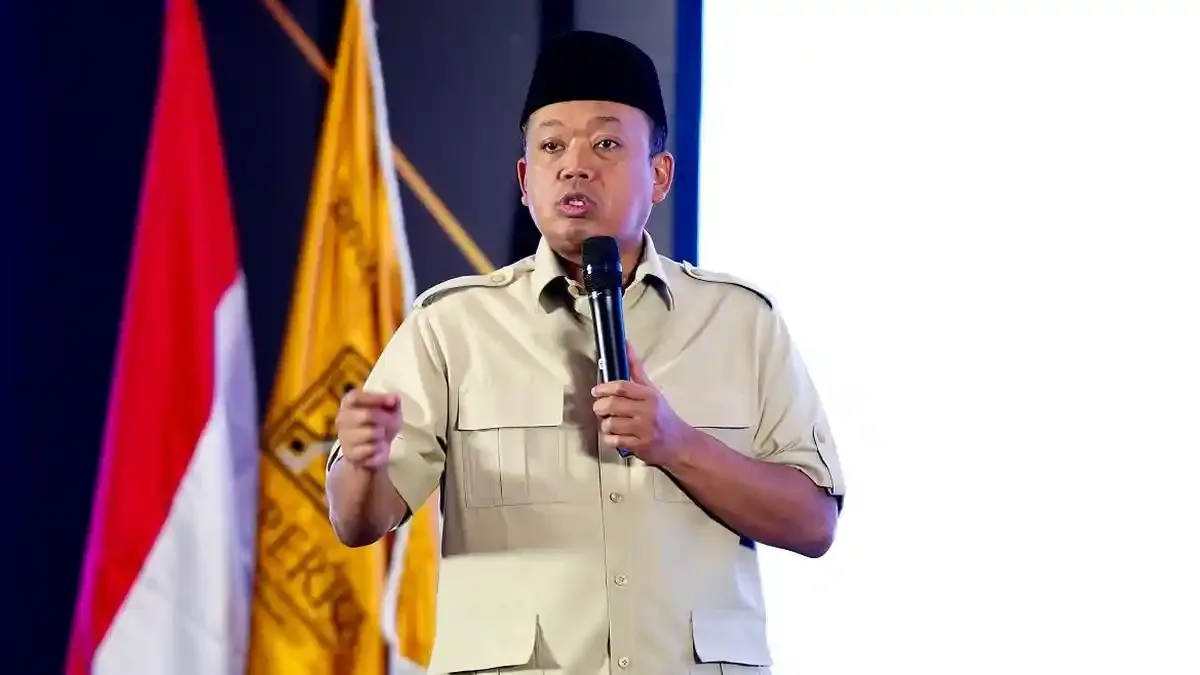
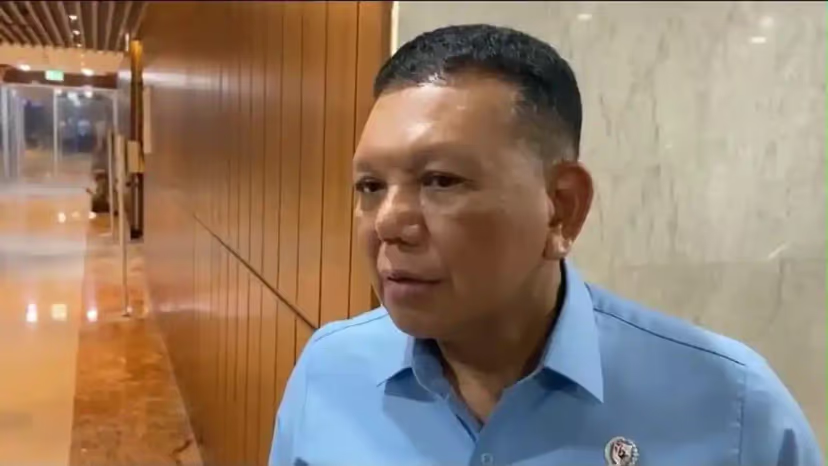
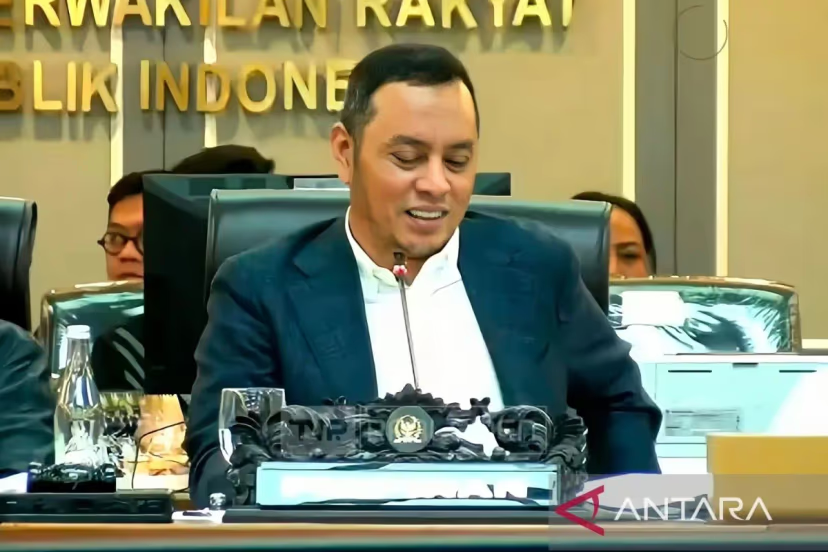
Jakarta — The name of Agrarian and Spatial Planning Minister/Head of the National Land Agency (ATR/BPN) Nusron Wahid has resurfaced in the trial over alleged corruption in the procurement of additional hajj quotas for 2023-2024. Former Special Staff to the Minister of Religious Affairs, Ishfah Abidal Aziz, also known as Gus Alex, who is a defendant, raised the alleged flow of USD400,000 intended to meet a request from the House of Representatives' (DPR) Special Committee (Pansus) on Hajj. Nusron at the time served as Chairman of the DPR's Hajj Inquiry Committee.
At the trial at the Jakarta Corruption Court in Kemayoran on Tuesday (1/9/2026) evening, Gus Alex pressed witness Syaiful Bahri, also known as Bajak Laut—a former PBNU staff member—about the order to hand over the money. According to the testimony, Syaiful was asked to meet someone named Erik to deliver USD400,000. Erik was said to represent Zaenal Abidin, identified as a friend of Nusron Wahid. Syaiful admitted he initially did not know the recipient's identity, but was later told by Gus Alex.
Nusron's position as Chairman of the Hajj Committee is crucial because the body was formed to investigate alleged irregularities in hajj quotas. If there was indeed a request for funds from a party under examination, this could tarnish the committee's independence. However, so far no evidence has directly linked Nusron to the receipt of money. The KPK says it is still examining all testimony from witnesses and defendants to build a complete case.
"I didn't know at the time, Sir. After a few days I asked, only then did you tell me that Zaenal Abidin is a friend of Mr. Nusron Wahid," Syaiful said in court.
The public is also asking: how deep is the involvement of high officials in the vortex of hajj quota corruption? This case is not the first. Previously, former Religious Affairs Minister Yaqut Cholil Qoumas was also mentioned in a similar case. The additional hajj quota for 2023-2024 is alleged to have been corrupted by manipulating allocations for personal and group interests. State losses are estimated to reach tens of billions of rupiah, though the exact figure has not been officially announced.
For Indonesia, this case highlights two things at once: first, hajj governance involving many stakeholders—from the Ministry of Religious Affairs, the DPR, to mass organizations such as PBNU—is vulnerable to transactional interests. Second, Nusron's position as a minister in the current cabinet raises an ethical question: is an official whose name is mentioned in an alleged money flow still fit to hold a strategic post? The government has not issued an official statement on this.
From an investment and business climate perspective, a corruption case involving high officials can affect Indonesia's risk perception. Indonesia's Corruption Perceptions Index (CPI) in 2025 stood at rank 115 out of 180 countries—stagnant compared with the previous year. If this case drags on without a transparent resolution, investor trust in the bureaucracy reform commitment could erode. The Islamic finance sector and hajj administration could also be affected because they involve large public funds.
The KPK is expected to soon announce developments in the investigation, including whether Nusron will be summoned for questioning. Meanwhile, the DPR needs to ensure that the Hajj Committee does not become a tool for particular interests. The public deserves an explanation regarding the use of funds allegedly flowing to parties who should be overseeing, not receiving. Will this case become a bright spot in eradicating corruption in the religious sector, or will it instead sink into the vortex of 2029 electoral politics?