Kremlin Backs Trump-Style Energy Truce, but Demands Sanctions Relief
Baca dalam 60 detik
- Moskow menyatakan kesediaan membahas usulan Washington untuk menghentikan serangan di sektor energi Rusia-Ukraina.
- Kremlin menegaskan gencatan kilang tidak cukup; hambatan utama justru larangan ekspor dan risiko pelayaran tanker.
- Pencabutan sanksi energi menjadi prasyarat yang bisa mengubah peta pasokan minyak global dan harga BBM Indonesia.
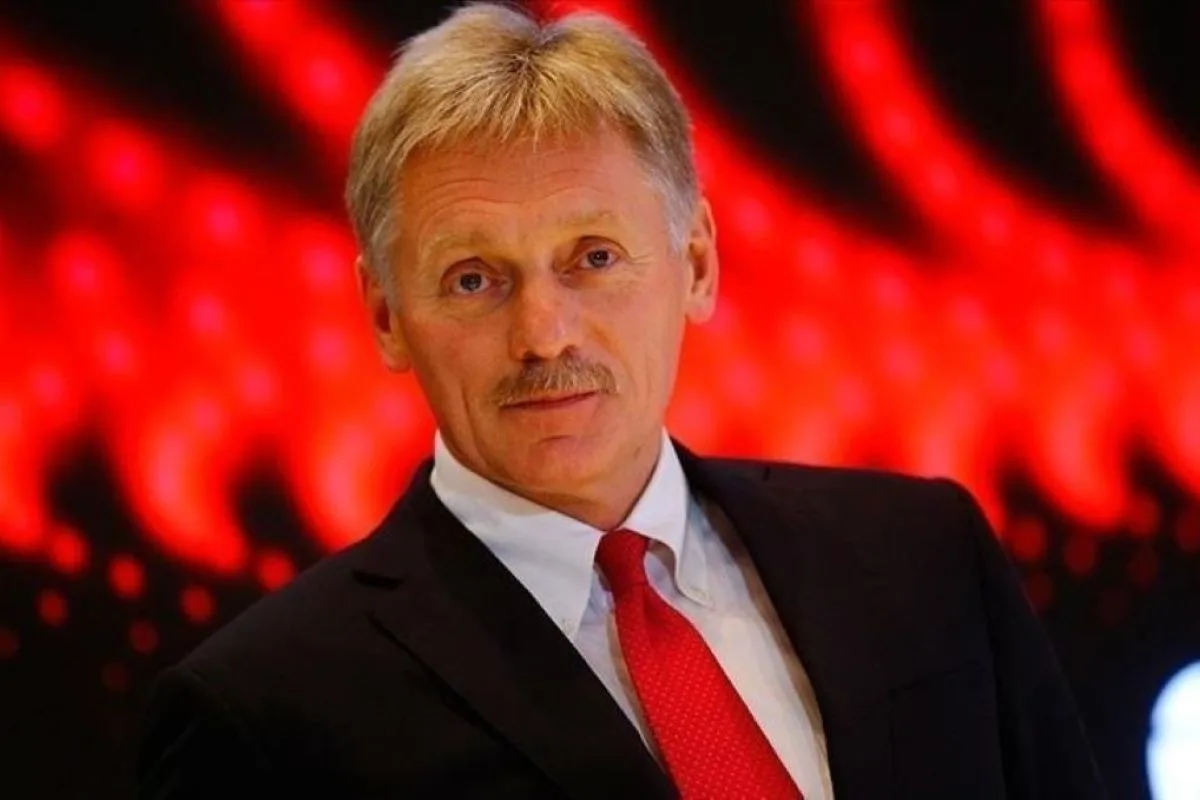
The Kremlin has expressed support for the Donald Trump administration's idea of halting attacks on the energy sector between Russia and Ukraine, but stressed that the move would only be meaningful if accompanied by the lifting of sanctions on Moscow's oil exports. Kremlin spokesman Dmitry Peskov, at a press conference in Moscow, called the initiative "a very good idea on the whole" and said communication channels with Washington remain open.
The support came with an important caveat. Peskov argued that securing oil refineries and boosting output of refined products would not resolve the problems disrupting the global market. According to him, the root of the problem is not production capacity but export access. "For the global market, the issue is not production," he said, adding that Russia's domestic market is now almost fully supplied.
The statement shows that Moscow is not merely responding to the truce proposal but is also using the moment to renegotiate its economic position. Western sanctions have so far forced Russia to sell oil at steep discounts to a limited set of buyers, mainly in Asia. If the restrictions are lifted, Russian oil flows could once again flood the market and weigh on global benchmark prices.
However, Peskov accused Kyiv of being unwilling to provide safety guarantees for commercial shipping for tankers. He claimed Russian and other countries' vessels have been targeted, with casualties of various nationalities. The accusation indicates that the energy truce issue cannot be separated from the fighting in the Black Sea, a vital route for Russian oil and gas exports.
"We can meet, will meet, and are meeting the domestic market. But for the global market, the issue is not production." — Dmitry Peskov, Kremlin spokesman
Beyond energy, Peskov also touched on the lifting of sanctions as a step that would increase the availability of petroleum products on the world market and push prices down. This argument aligns with the interests of consumer countries, including Indonesia, which still relies on fuel imports and is vulnerable to global price shocks.
Indonesian Context
For Indonesia, this signal from Moscow has layered implications. As an importer of crude oil and refined fuel, a drop in world oil prices due to additional Russian supply would ease the energy subsidy burden and curb inflation. However, if sanctions remain in place, discounts on Russian oil would instead be an opportunity for Pertamina and domestic traders to buy at lower prices, though at the risk of diplomatic pressure from Western countries.
Indonesia's position of not imposing unilateral sanctions on Russia gives it room to maneuver, but also demands caution in maintaining trade ties with the European Union and the United States. Any change in the sanctions landscape will directly affect the energy trade balance and subsidy calculations in the state budget.
Peskov also said Moscow could reconsider gas supplies to Europe if it is economically profitable and available volumes are sufficient. Meanwhile, he declined to comment on the summoning of Russia's ambassador to Denmark over an incident involving a Danish military helicopter, and stressed that Russia remains opposed to the placement of weapons in outer space following remarks by U.S. Air Force Secretary Troy Meink.
What will be most decisive in the coming months is whether Washington and Moscow can bridge their differences on sanctions and shipping security. Without such guarantees, the energy truce risks becoming an agreement on paper that changes nothing for the world oil market — or for fuel prices in Indonesia.