
Naimisharanya: Sacred Forest Becomes Political Symbol of Hindu Rena...
Baca dalam 60 detik
- The Uttar Pradesh government has allocated significant funds to develop Naimisharanya as a major pilgrimage and tourism hub.
- Infrastructure projects include road widening, ghat construction, and a museum showcasing Vedic heritage.
- This investment signals a deliberate effort to reclaim and promote Hindu sacred sites as centers of cultural pride.
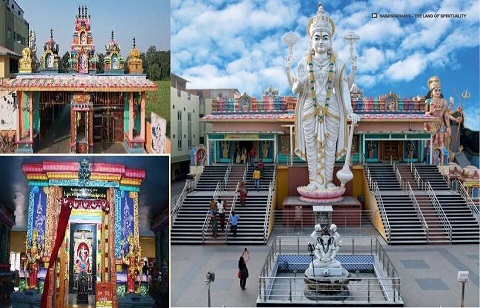
The Uttar Pradesh government has allocated significant funds to develop Naimisharanya as a major pilgrimage and tourism hub. Infrastructure projects include road widening, ghat construction, and a museum showcasing Vedic heritage. This investment signals a deliberate effort to reclaim and promote Hindu sacred sites as centers of cultural pride.
Political leaders from the ruling party frequently visit Naimisharanya, performing rituals and making development announcements. These visits serve dual purposes: reinforcing religious credentials and mobilizing the Hindu vote bank. The forest's mythological association with sages and epics provides a potent narrative for cultural nationalism.
Critics argue that the politicization of sacred spaces risks communal polarization and diverts attention from governance issues. However, supporters see it as rightful restoration of India's civilizational heritage. The strategic use of Naimisharanya reflects a broader trend of intertwining faith with political mobilization.
Power Move: Naimisharanya is not just a forest—it's a political asset. Expect more such sacred sites to be developed as cultural fortresses, solidifying the ruling party's base and reshaping India's political landscape through religious symbolism.
This article was edited with AI assistance for readability. Read original here.


