Indie Horror's Box Office Obsession: How a Low-Budget Film Crushed ...
Baca dalam 60 detik
- The film's marketing team weaponized social media by targeting horror communities with cryptic teasers and fan-driven content.
- This grassroots approach generated organic hype without the massive ad spends typical of studio releases.
- The result: a cost-per-acquisition that rivals the industry's best.
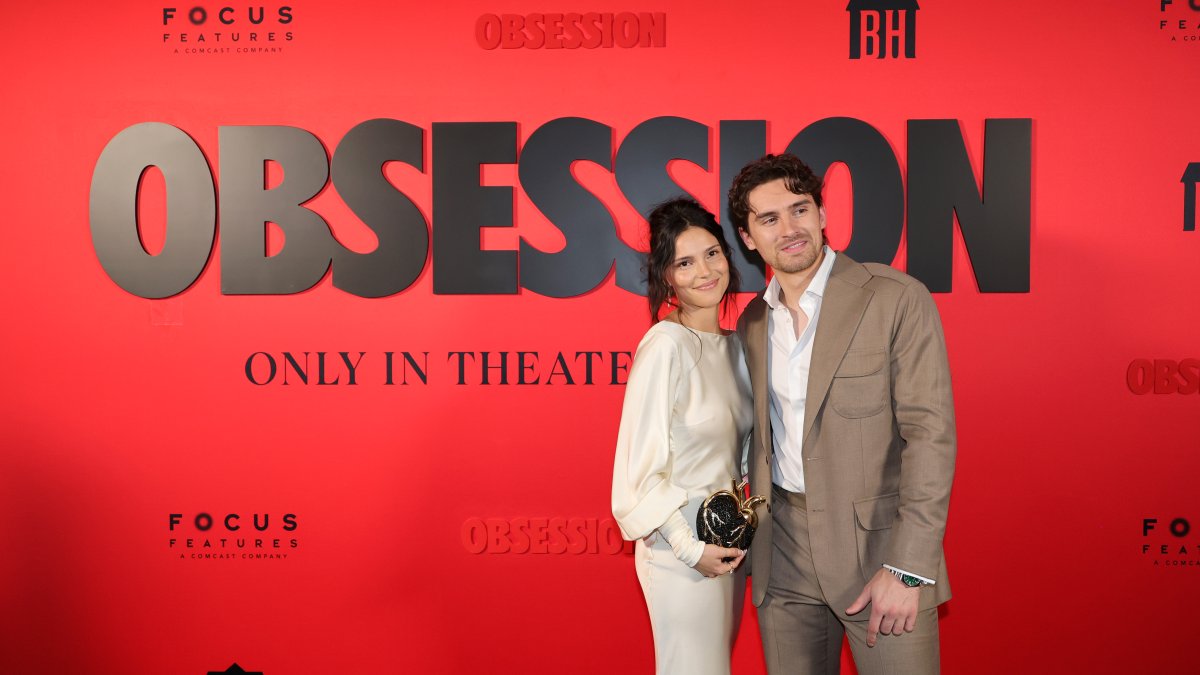
The film's marketing team weaponized social media by targeting horror communities with cryptic teasers and fan-driven content. This grassroots approach generated organic hype without the massive ad spends typical of studio releases. The result: a cost-per-acquisition that rivals the industry's best.
By focusing on practical effects and a tight script, the production kept costs under $5 million while delivering psychological dread that big-budget CGI often misses. Critics praise the film's relentless pacing and earned scares, which drove repeat viewings. Word-of-mouth propelled it past $100 million globally within three weeks.
This success mirrors the rise of 'elevated horror' but with a key twist—it leverages modern distribution strategies like day-and-date digital releases with theatrical exclusivity. The model minimizes risk while maximizing revenue streams. Studios now scramble to acquire similar indie horror projects, signaling a gold rush in low-budget genre filmmaking.
Power Move: Indie horror just rewrote the box office playbook: invest in community, not ads. Expect a surge of micro-budget horror films flooding streaming platforms, with studios bidding wars for the next viral sensation. The power now lies with the audience, not the marketing budget.
This article was edited with AI assistance for readability. Read original here.