COP31 in Antalya: Climate Negotiations Without the US, With Australia at the Helm
Baca dalam 60 detik
- Lebih dari 190 negara berkumpul di Antalya, Turki, pada 9–20 November untuk COP31, tetapi Amerika Serikat absen karena telah menarik diri dari Perjanjian Paris.
- Australia memimpin negosiasi formal sementara Turki menggarap agenda aksi sukarela, termasuk elektrifikasi ekonomi dan pengurangan metana.
- Tersisa harapan pada koalisi negara-negara yang berkomitmen transisi energi, meski tantangan geopolitik dan pendanaan iklim masih membayangi.
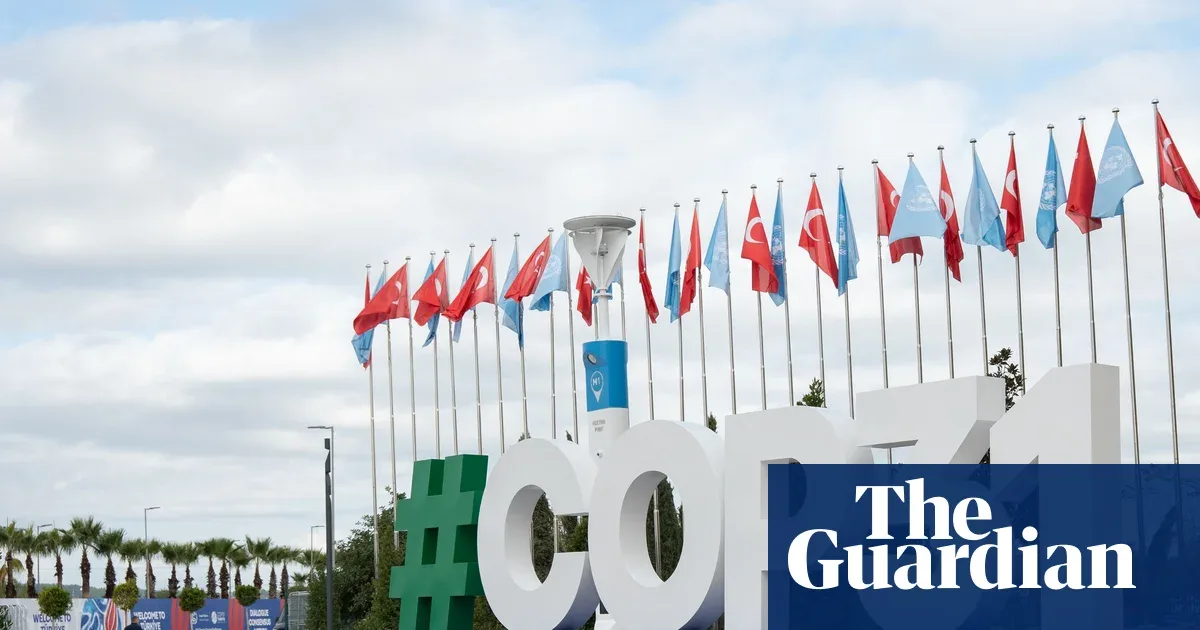
Delegations from more than 190 countries will converge on Antalya, Turkey, from 9 to 20 November for the latest round of the UN Climate Change Conference (COP31). But one conspicuous absence will shape the forum: the United States, which under the administration of Donald Trump has withdrawn from the 2015 Paris Agreement.
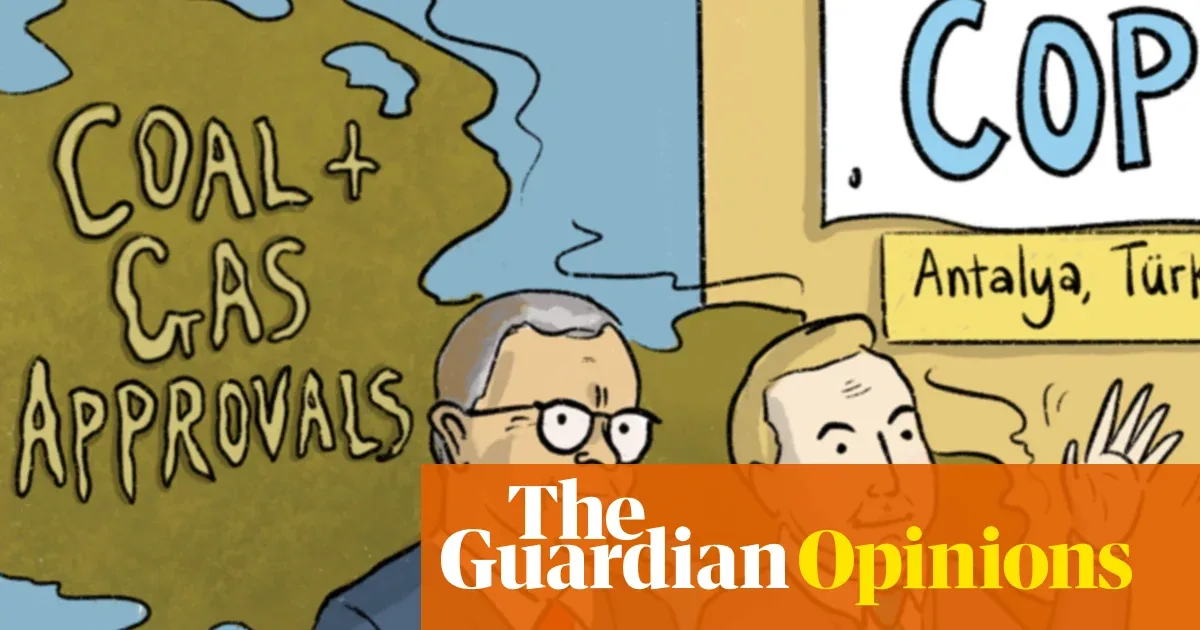
Equally notable, the host and the lead negotiator come from two different countries. Turkey provides the stage, but Australia has been appointed to lead the formal negotiations—a compromise after the two countries competed for the presidency. This division of roles reflects the complexity of climate diplomacy: one party handles the binding agreement, the other works on the voluntary agenda.
Australia will guide discussions on the work program, including the just transition, climate finance, and efforts to keep the rise in global temperature as close as possible to the 1.5 degrees Celsius threshold above pre-industrial levels. Turkey, meanwhile, takes over the "action agenda"—voluntary commitments that are not legally binding—covering waste reduction, the circular economy, methane emissions cuts, food security, and, crucially, the electrification of the global economy.
For developing countries, COP31 is a credibility test for rich nations. After the disaster in Nepal, the country gained access to a global fund for loss and damage—aid for rescue and rehabilitation of communities hit by climate disasters. But the fund is judged to be far from sufficient. Poor countries also lack the means to adapt to increasingly ferocious extreme weather, while foreign aid from rich countries keeps shrinking and high interest rates add to the debt burden.
Since COP28 in 2023, for the first time a final agreement directly mentioned fossil fuels—though without a deadline or concrete plan. This year, the issue will be discussed through a non-binding "roadmap" for the global transition. Two roadmaps from Brazil—on the transition away from fossil fuels and on halting deforestation—will serve as references for how countries can shed their dependence on dirty energy and accelerate the adoption of low-carbon technology.
"Electrification will be the main focus of COP31. The efficiency of electric technologies could cut the world's primary energy use in half," said Professor Jan Rosenow of the University of Oxford, as quoted by the source.
Outside the formal negotiating rooms, the momentum for change is actually strengthening. More than 60 countries in the "coalition of the willing"—including the UK, the European Union, and dozens of developing countries—have pledged to move away from fossil fuels. The coalition may gain members in Antalya, following the wave of progressive politics in Brazil, Canada, Serbia, Hungary, and a number of US states that rejected Trump in the midterms.
A number of influential US members of Congress, business figures, and civil society organizations are reported to be attending, so the American voice will still be heard even though the White House has chosen to stay away. Trump does intend to push fossil interests at home, but with oil prices still high after the war in Iran, the low-carbon energy economy is increasingly competitive.
Technological and geopolitical developments are also changing the landscape. Global conflicts are indeed disrupting international relations, but they also show that decentralized renewable energy provides energy resilience. China, for instance, is estimated to cut its oil imports by about 12% this year thanks to massive electric vehicle adoption, and its renewable generation capacity now surpasses coal—saving billions of dollars for consumers and businesses. Solar in Africa is finally growing rapidly, while in Pakistan a consumer-driven rooftop solar revolution supplies about a quarter of the country's electricity. Nearly half of new cars in Vietnam and a number of EU countries are now electric.
Lula's return as Brazil's president has also injected energy into climate supporters. Lula will attend the COP—his first international trip since being re-elected—and is expected to speak forcefully, showing the world's progressive parties how to win while championing the climate agenda.
With a tense geopolitical situation and a fragile global economy, many worry that COP31 will produce only a quiet meeting without a breakthrough. Yet hope remains: acceptance of Brazil's plan, progress on climate finance, resolution of the climate science dispute hanging over the IPCC panel, and details of a just transition mechanism for workers dependent on fossil fuels. Will Antalya be a turning point, or just another toothless annual routine?