After the Political Storm, Trump Is Now a Lame Duck: What Does It Mean for Russia, Israel, and Indonesia?
Baca dalam 60 detik
- Kemenangan Demokrat di kongres menandai melemahnya pengaruh Donald Trump, baik di dalam maupun luar negeri.
- Status lame duck Trump berisiko memicu ketegangan baru, terutama terkait Iran, Ukraina, dan NATO.
- Bagi Indonesia, perubahan konstelasi politik AS dapat memengaruhi kebijakan perdagangan dan keamanan kawasan.
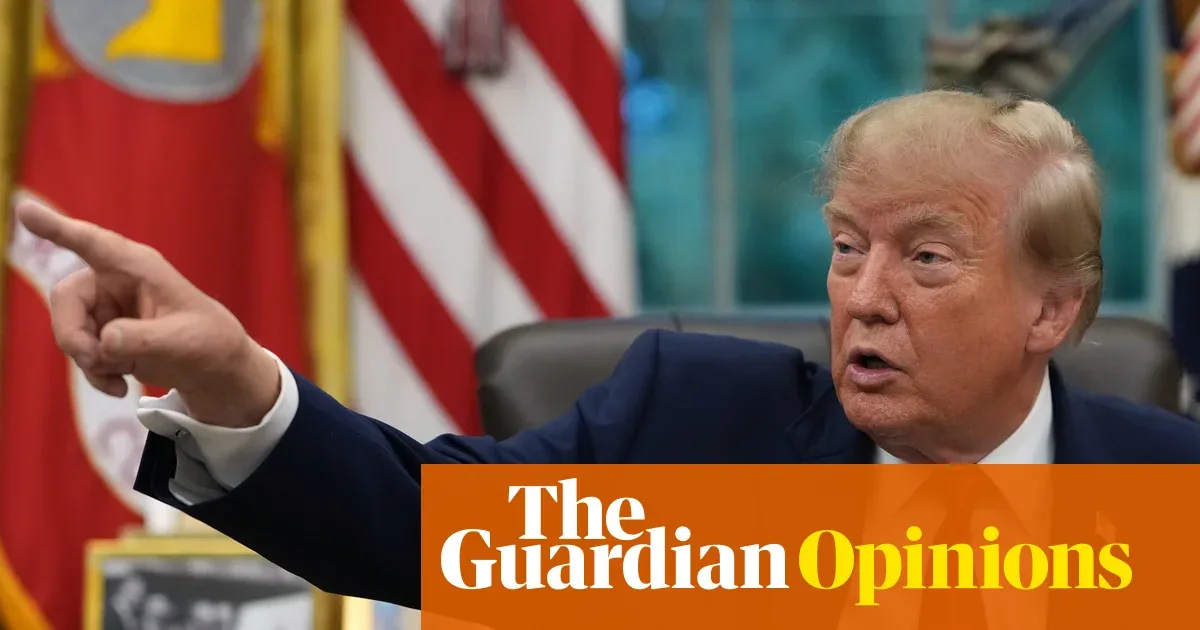
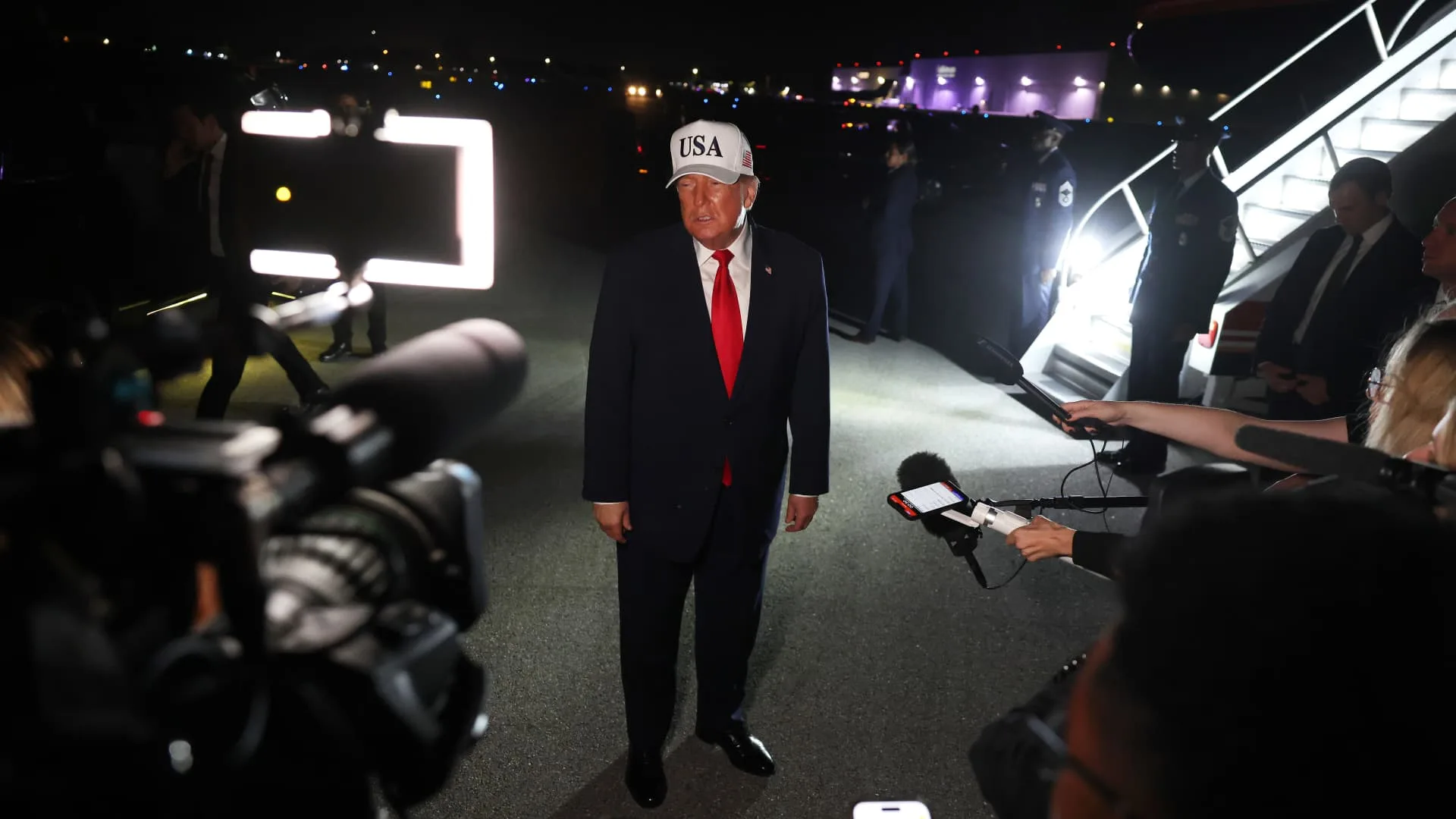
The results of the United States midterm elections dealt a heavy blow to Donald Trump. The Democrats' landslide victory in both chambers of Congress not only redrew the domestic political map but also weakened Trump's position on the global stage. The defeat is seen as a personal rejection of his controversial leadership style.
Since 2024, Trump has been known as a figure who dominated the international stage with an aggressive and often controversial foreign policy. But after the Democrats take control of Congress next January, many expect his influence to shrink drastically. World leaders previously pressed by Trump's policies now see an opening to push their own agendas.
In Iran, hopes have emerged that the military confrontation that has long loomed may ease. Meanwhile in Israel, the camp seeking a change of government has welcomed the weakening of Washington's support for Benjamin Netanyahu's extremist coalition. Ukraine also hopes a Democrat-controlled Congress will hold back Trump's policies, which are seen as too soft on Russia.
Even so, Trump's lame-duck status does not mean he has lost all control. He still has broad authority over defense and foreign policy without congressional approval. However, mounting political pressure could force him to make riskier decisions to preserve his political legacy.
According to international relations observers, Trump's weakening could actually accelerate a ceasefire in Ukraine. Vladimir Putin, who is facing economic pressure and battlefield setbacks, may see an opportunity to negotiate while Trump is still in power. But any deal could harm Ukraine if Trump forces territorial concessions.
"Trump may become more aggressive to mask his weakness. He tends to vent his frustration through confrontational foreign policy," an international political analyst said.
For Indonesia, this shift in US political dynamics deserves close attention. As a trade and security partner, Indonesia could be affected if Trump decides to stir up relations with China or reduce commitments in the Indo-Pacific region. The tariff policies that once disrupted Indonesian exports could also resurface if Trump looks for a scapegoat for his failures.
On the other hand, a Democrat-controlled Congress may be more supportive of a foreign policy grounded in democratic values and multilateralism. This could open space for Indonesia to strengthen cooperation in international forums, including on climate change, an issue Trump has long ignored.
Going forward, the remaining two years of Trump's term will be a period full of uncertainty. He can still carry out military intervention, wage trade wars, or even withdraw from alliances such as NATO. But the global political tide is beginning to turn against right-wing populism. Progressive victories in Hungary, Serbia, Brazil, and now the US signal that the Trump era may soon be over. The question is, will Indonesia be able to seize this momentum to advance its national interests amid global turbulence?