Nandy Denies Politicizing Remembrance Sunday, Spars Over Erasmus+ and Brexit
Baca dalam 60 detik
- Menteri Kebudayaan Inggris Lisa Nandy menolak tuduhan bahwa ia mempolitisasi Remembrance Sunday dengan mengaitkannya ke keanggotaan kembali Erasmus+.
- Partai Konservatif dan Reform UK mengecam pernyataan Nandy sebagai kampanye terselubung untuk bergabung kembali dengan Uni Eropa.
- Inggris akan membayar £570 juta untuk bergabung kembali dengan Erasmus+ pada Januari, dengan fokus pada perluasan akses bagi pemuda di Inggris utara dan Midlands.
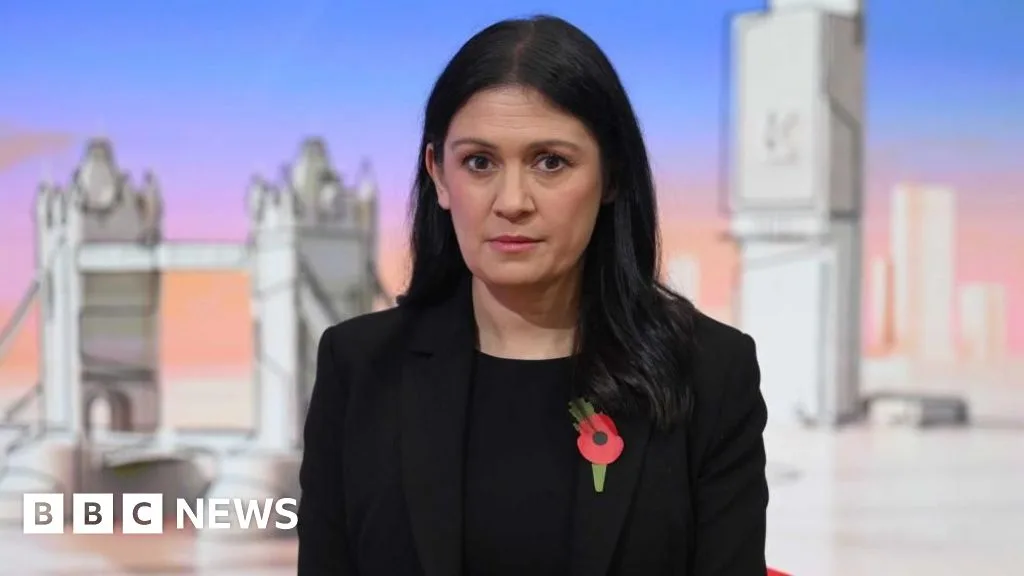
UK Culture Secretary Lisa Nandy has rejected accusations that she politicized Remembrance Sunday—the day commemorating war veterans—after her remarks linking the commemoration to Britain's plan to rejoin the European Union's Erasmus+ student exchange scheme drew criticism from the Conservative Party and Reform UK.
The Department for Culture, Media and Sport issued a press release on Saturday night stating that "as we mark Remembrance Sunday, Erasmus+ will give a new generation the chance to build connections across Europe". The statement triggered a sharp reaction from the Conservative Party, which accused Nandy of making a "EU membership offer" and asserted that "veterans did not fight for a student exchange scheme".
Nandy said she was "appalled" by the Conservative Party's response and insisted that expanding the EU scheme for study and work would help young Britons appreciate wartime sacrifice. "As we remember the extraordinary courage of those who served our country, we honor them by building the best opportunities for the next generation through closeness and collaboration with our allies," she said in the release.
Conservative Party chairman Kevin Hollinrake called Nandy's comments "insensitive and deeply shameful" and demanded an apology. He asserted that the bonds built by veterans are "far deeper" than Erasmus. "This is not a day for a Labour minister to try to make an EU membership offer," he added. Meanwhile, Reform UK leader Nigel Farage told the BBC, "For Lisa Nandy to use Remembrance Sunday to announce this and say it's all about peace, about war—I think that is deeply inappropriate."
Peter Sharples, chief executive of the Veterans Institute, told The Telegraph that on Remembrance Sunday people should "simply honor the fallen" rather than discuss "partisan political matters".
In an interview with the BBC's Sunday with Laura Kuenssberg program, Nandy defended her original statement. She referred to Winston Churchill, who after World War II spoke of extending a hand of friendship across Europe and ensuring that generation's legacy was honored. Nandy also lamented that after Brexit, "we closed off opportunities for young people from this country to understand not only the impact that generation made in Britain, but also the way they went and fought for the freedom of people across Europe".
When asked about the accusation that she chose Remembrance Sunday to "promote part of the government's new deal with the EU", Nandy insisted, "I did not choose today or any other day to promote a deal with the EU." She added that such a thing used to "not even raise an eyebrow as something political, it was just common sense—and it is common sense".
Britain will rejoin an expanded Erasmus+ scheme in January, six years after leaving as part of the Brexit deal. The UK government will pay £570 million to join, which it claims is a 30% discount. The scheme will include a free one-year placement abroad for UK students and their European counterparts as well as cultural exchanges. The government also stated that free train tickets will be available for 18-year-olds to visit EU countries on their own or with up to five friends. Youth groups will also get short exchanges in other countries, with a focus on areas previously less involved in Erasmus such as northern England and the Midlands. Registration will open later this month.
Farage called Erasmus a "bad scheme" and "very expensive" compared with the Turing Scheme introduced by ministers in 2021 as a post-Brexit alternative. He also criticized the ongoing negotiations between Britain and the EU for a new youth mobility scheme ahead of a major summit on 20 November. Prime Minister Andy Burnham said he wanted a "frank discussion" about the prospect of returning to free movement between Britain and the EU. However, former EU Brexit negotiator Michel Barnier warned that Britain cannot "cherry-pick" the single market elements it wants to follow.
Nandy said on Sunday that most of the Brexit benefits promised in 2016 "have not materialized" and that "there are trade-offs and choices to be made" regarding Britain's future relationship with the EU. The statement underscores the broader debate in Britain about the direction of post-Brexit foreign and economic policy, which also serves as a mirror for other countries—including Indonesia—in weighing the impact of regional integration on sovereignty and opportunities for young people.
With the Erasmus+ registration deadline approaching and the UK-EU summit on 20 November, the British public will watch whether the government can bridge the historical legacy of war with young people's need for global connectivity, without getting trapped in endless political polarization.