US Beef Industry Accused of Pulling Climate Curriculum to Protect Its Image
Baca dalam 60 detik
- Materi ajar soal metana ternak yang didanai wajib potong sapi ditarik setelah protes peternak, memicu tuduhan sensor sains.
- Langkah ini memperpanjang pola intervensi industri terhadap pendidikan iklim sejak era 1990-an, dengan tujuan menghapus persepsi negatif konsumen masa depan.
- Kebijakan USDA yang membatasi inisiatif ESG memperkuat posisi industri, sementara para ilmuwan memperingatkan dampak pada pemahaman generasi muda.
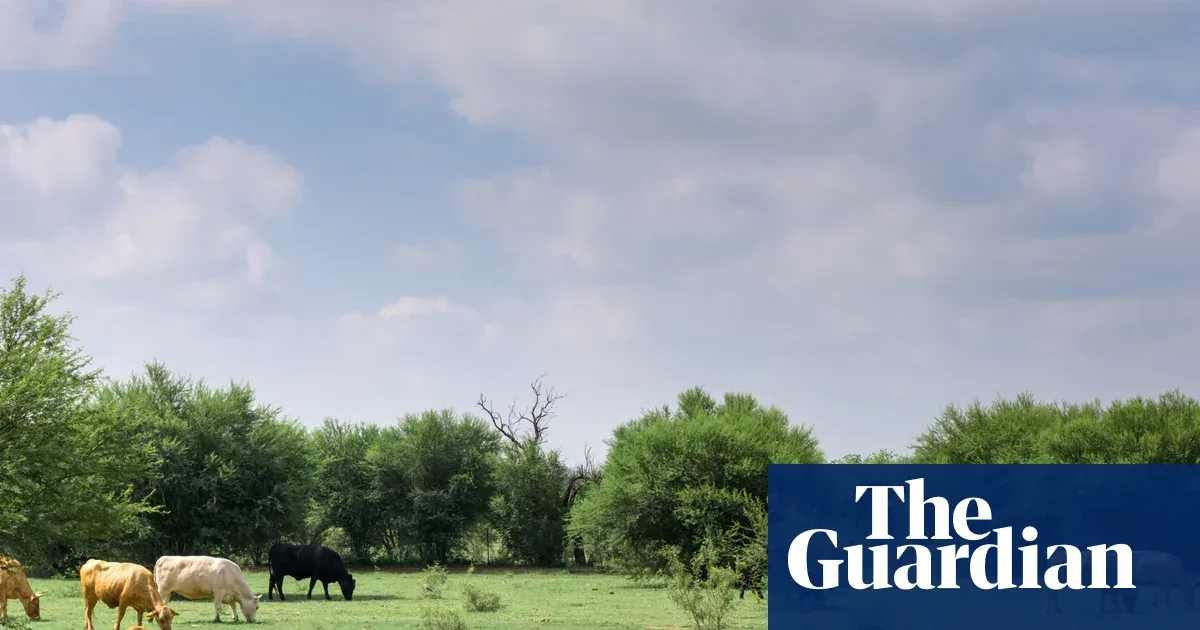
A science lesson on the link between cattle farming and global warming, funded by the US beef industry, was pulled from circulation after pushback from a number of ranchers. The material, meant to educate high school students about methane emissions from livestock, was halted just months after its launch. The case is the latest reflection of how the livestock sector has for decades sought to control the educational narrative about the environmental impact of its products.
The curriculum, run by the American Farm Bureau Foundation for Agriculture (AFBFA) together with the Food and Agriculture Center for Science Education, was used by about 1.2 million students in more than 100 school districts. Late last year, the foundation announced a new lesson titled “Methane & Cattle: A Climate Connection,” which discussed how cattle digestion produces methane and its role in the climate system. But within months, the material vanished from their site.
The withdrawal was triggered by open criticism from ranchers. Brett Kenzy, a prominent South Dakota rancher who chairs a committee at R-CALF USA, called the lesson a “slap in the face,” arguing it was unfair to blame cattle for environmental damage. Similar pressure came from Jim Mundorf, a rancher and podcaster who has long criticized the beef checkoff program. On his blog, Lonesome Lands, he wrote that the lesson was “deeply angering” and belittled farmers. The post was later republished by a rancher coalition at CPAC and spread widely in the farming community.
Before attendees at CattleCon, the beef industry’s annual convention in February, AFBFA education director Rick Henningfeld confirmed that the lesson had been taken down. “We heard the feedback, we’re editing it, and we hope to get it back up soon,” he said, as quoted from a recording of the event. But to date, the material has not reappeared. Instead, last July the foundation released a lesson on cattle digestion that does not mention methane or climate at all.
The debate is not really about a single missing lesson. Industry supporters often argue that the biogenic cycle—in which atmospheric methane breaks down over about 12 years into carbon dioxide that is reabsorbed by grass—means livestock emissions do not significantly add to global warming. But mainstream climate scientists reject that claim. Carl-Friedrich Schleussner of the International Institute for Applied Systems Analysis stated that about 0.3 degrees Celsius of the global warming that has occurred to date is sustained by ongoing biogenic methane emissions. “Cutting these emissions is very important to slow global warming,” he stressed.
Drew Shindell, a climate scientist at Duke University who led the UN’s 2021 Global Methane Assessment, lamented the ranchers’ stance. According to him, methane’s role in climate change is not controversial because it has been measured in laboratories and confirmed through satellite observations. “It’s very unfortunate that ranchers are blocking students from learning about the world they will inherit,” he said. He also corrected the data in the lesson, which wrongly stated that livestock accounts for only 2% of human-caused methane emissions, when its contribution is slightly above 30%.
The long history of industry intervention in climate education was revealed in a study by Jennifer Jacquet and Loredana Loy of the University of Miami last October. The study found that in the 1980s and 1990s, the National Cattlemen’s Association—predecessor of the National Cattlemen’s Beef Association—treated global warming as a public relations problem. They sought to downplay US cattle methane emissions rather than reduce them. In 1991, pressure from the group even led Random House to stop reprinting a Teenage Mutant Ninja Turtles children’s book that linked cattle to global warming.
Now, with Donald Trump’s administration, the industry’s position is stronger. In September, the US Department of Agriculture (USDA) ordered all agricultural checkoff programs to stop supporting environmental, social, and governance (ESG) initiatives and net-zero targets. The USDA denies involvement in the decision to pull the methane lesson, but Jacquet argues that what happened aligns with that trend. “The livestock industry is winning in the Trump era and doesn’t even have to pretend to care,” she said.
Glenn Branch, deputy director of the National Center for Science Education, questioned the review process involving producers. “What happens when those goals collide? The censorship in this latest episode shows that producer interests win,” he said. Meanwhile, the foundation argued that the topic “can’t be delivered in a 45-minute lesson” and is preparing a longer version involving researchers and university experts it did not name.
What remains is the question of how far industry may determine what children learn about the world they will inhabit. As climate science becomes ever more urgent to understand, the withdrawal of this material shows that the battleground in education is no longer just about curriculum, but about who has the right to speak about the truth.