External DACs on Phones: When Is an Expensive Device Really Needed?
Baca dalam 60 detik
- Layanan streaming musik kini menawarkan audio lossless, tetapi ponsel modern tanpa jack 3,5 mm memerlukan DAC eksternal untuk menikmatinya secara optimal.
- Kualitas DAC ditentukan oleh dukungan bit depth, sample rate, dan ketepatan clock; perangkat murah seperti FiiO KA11 sudah memadai, sementara opsi premium seperti Chord Mojo 2 dibanderol jauh lebih mahal.
- Bagi pengguna di Indonesia, investasi DAC sebaiknya disesuaikan dengan jenis headphone dan platform streaming yang dipakai, bukan sekadar mengejar spesifikasi tertinggi.
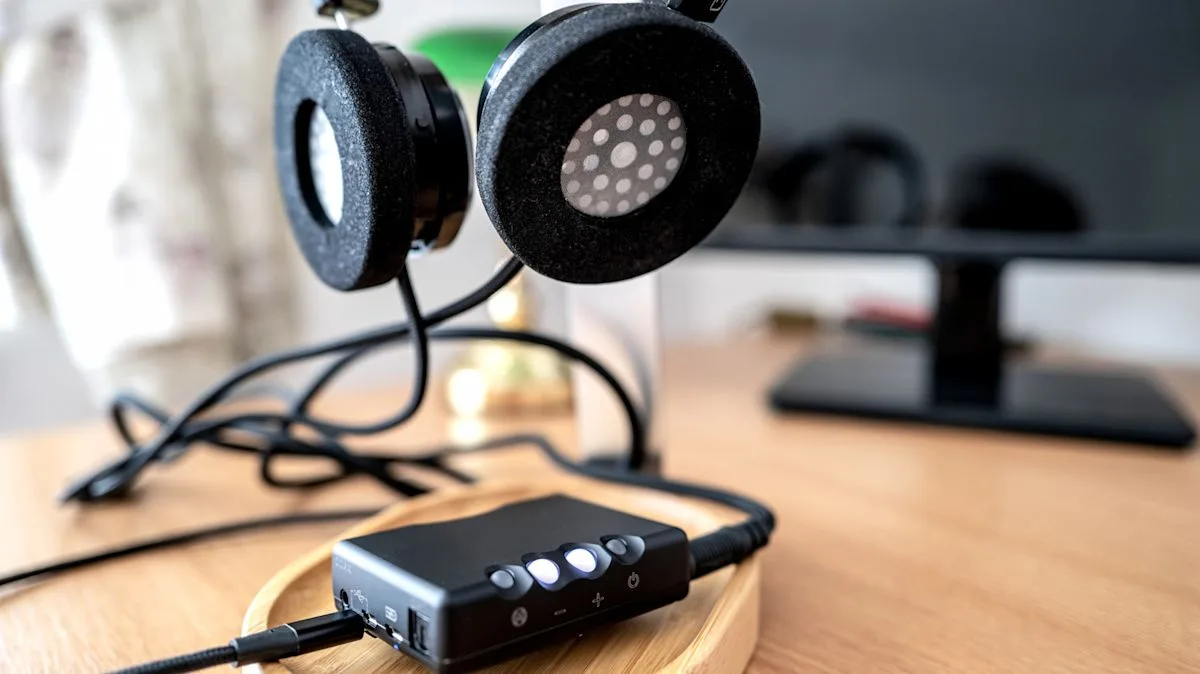
External audio devices, or DACs (digital-to-analog converters), are now in the spotlight as more streaming services offer lossless quality. In 2025, Spotify followed Apple Music, Tidal, Qobuz, and Amazon Music in providing high-resolution audio, but to truly enjoy it, users need to ensure the playback chain—from source to headphones—supports the format.
The problem is that most recent phones have removed the 3.5 mm headphone jack. The absence of that port means users who want to use wired headphones—the main requirement for lossless audio—must turn to an external DAC. Without this device, the digital signal from the phone cannot be converted into an analog signal that can be heard through headphones.
A DAC works by translating digital binary code into an approximation of an analog wave. The higher the bit depth and sample rate, the more precise the representation of sound amplitude. As an illustration, high-resolution audio generally uses 24 bit with a 192 kHz sample rate, which means 192,000 measurements per second. This figure is far above the CD standard (16 bit/44.1 kHz) and serves as the benchmark for lossless streaming services.
Although all DACs perform the same basic function, the quality of the components inside determines the final result. Cheap DACs often do not support all Hi-Res formats and sample rates, or have less precise clock circuits that cause jitter—a timing disturbance that some claim affects playback quality. Therefore, choosing a DAC carelessly risks wasting the potential of the lossless audio already paid for through a streaming subscription.
"For high-resolution audio on phones, an external DAC is no longer optional but a basic necessity if you want optimal results," goes the view circulating among audiophiles, as quoted from technology reviews.
When choosing a DAC, compatibility with the phone's port is the first consideration. Users need to ensure the device supports USB-C or Lightning, and has an output jack that matches their headphones—3.5 mm, 4.4 mm balanced, or an adapter for a 6.3 mm plug. Support for file formats such as FLAC, WAV, and DSD is also important, depending on the music collection one has. For those who still want to use wireless headphones, a Bluetooth adapter with the aptX Lossless codec such as the Sennheiser BTD 700 can be a middle ground, though there is still a quality compromise.
In terms of price, external DACs are not always expensive. The FiiO KA11, for example, can handle 32 bit/384 kHz with a price tag of around US$32, while the Chord Mojo 2, aimed at the premium segment, is priced at nearly US$600. This price difference reflects component quality, durability, and additional features, not merely specification numbers.
In Indonesia, the lossless audio trend is also starting to grow along with the penetration of streaming services and increasing user awareness of sound quality. However, with different exchange rates and purchasing power, domestic consumers need to weigh their needs more carefully. A cheap DAC is enough for most users who are just switching to lossless audio, while premium devices are more relevant for those who own high-end headphones and Hi-Res music collections.
Looking ahead, the question is how long phone makers will maintain the removal of the 3.5 mm jack, and whether wireless solutions can truly replace cables for lossless audio. As long as the Bluetooth standard does not fully support uncompressed lossless, external DACs will remain an unavoidable bridge for lovers of quality sound.