Ferry Paulus: Persib Raises BRI Super League's Level in Asia
Baca dalam 60 detik
- Persib Bandung menyapu bersih empat laga Grup E ACL Two, termasuk menumbangkan FC Seoul dan Melbourne Victory di kandang lawan.
- Direktur Utama I.League Ferry Paulus menilai tambahan slot pemain asing dan rotasi skuad menjadi kunci peningkatan performa klub di kompetisi Asia.
- Sinkronisasi jadwal antara operator liga dan klub disebut memperbaiki manajemen istirahat pemain, meski tantangan konsistensi masih menanti.
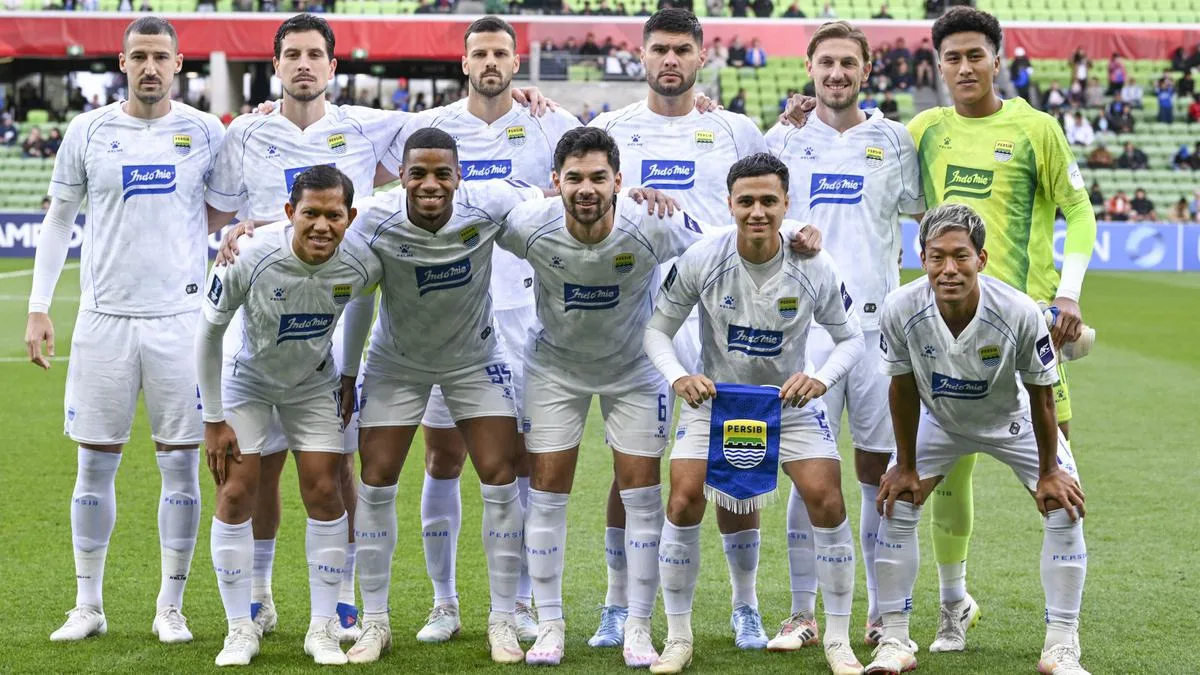
I.League Chief Executive Officer Ferry Paulus stressed that Persib Bandung's run in the AFC Champions League (ACL) Two 2026/2027 is not merely one club's achievement but a reflection of the BRI Super League's rising quality in Asian inter-club competition. He made the statement after the Pangeran Biru swept all four Group E matches, including historic wins over representatives from South Korea and Australia.
Two away victories stood out. Persib edged hosts FC Seoul 1-0, making it the first Indonesian club to win at a South Korean team's home ground. Not stopping there, Igor Tolic's side also came from behind to win 2-1 away at Melbourne Victory, setting a record as the first Indonesian team to win in Australia in an Asian inter-club tournament.
Ferry attributed the surge in performance to changes in regulations and competition management. The addition of foreign player slots, he said, gave clubs room to rotate their squads more carefully. He cited Persib as the most consistent example of making use of that policy. "With the added foreign player slots, several clubs then rotated their foreign players, especially Persib," he said.
"Persib have been more consistent, and I think this also shows that Indonesian football, especially the Indonesian competition, has improved considerably." — Ferry Paulus, I.League Chief Executive Officer
Beyond the squad factor, Ferry highlighted the importance of coordination between the league operator and clubs in setting the match calendar. That synchronization, he said, ensures every team gets adequate playing minutes, rest, and recovery. "There is circulation and synchronization that we carry out together with the clubs so that they also get, let's say, adequate playing minutes or rest and recovery time. This is much better," he added.
Nevertheless, Ferry did not turn a blind eye to remaining limitations. He acknowledged that the squad composition of league clubs still has its pluses and minuses. However, he stressed that the most objective indicator for assessing progress is match results, both domestically and in Asia. "Compared with previous years, it is better, even though if we look at the squad, yes, there are pluses and minuses. But the most visible indicator is the results match by match in the competition or at the Asian level," he said.
Ferry's statement reflects a shift in how the BRI Super League is viewed. If the domestic competition was previously often underestimated in Asia, Persib's success provides evidence that Indonesian clubs can compete with teams from countries that have long dominated, such as South Korea and Australia. For I.League, this achievement is capital to strengthen the league's bargaining position, including in attracting investment and raising the competition's commercial value.
Going forward, the challenge is maintaining consistency. Persib have shown that foreign player rotation and good schedule management can produce peak performance at the Asian level. However, whether other clubs can follow a similar path, or whether this success is merely sporadic, will be a test of the competition's overall quality. Ferry and I.League appear to recognize that raising the league's level cannot depend on just one team.