Australian Players Refuse to Play in Amman, Jordan Clash on the Brink of Cancellation
Baca dalam 60 detik
- Mayoritas penggawa Socceroos melalui PFA meminta Football Australia memindahkan atau menjadwalkan ulang laga melawan Yordania di Amman karena alasan keamanan.
- Penundaan Piala Asia 2027 imbas serangan Houthi membuat uji coba November kehilangan urgensi kompetitif, sementara pengumuman skuad ditunda hingga akhir pekan.
- Tekanan dari pemain memaksa federasi memilih antara mempertahankan jadwal atau merelakan FIFA Matchday berjalan tanpa kekuatan penuh.
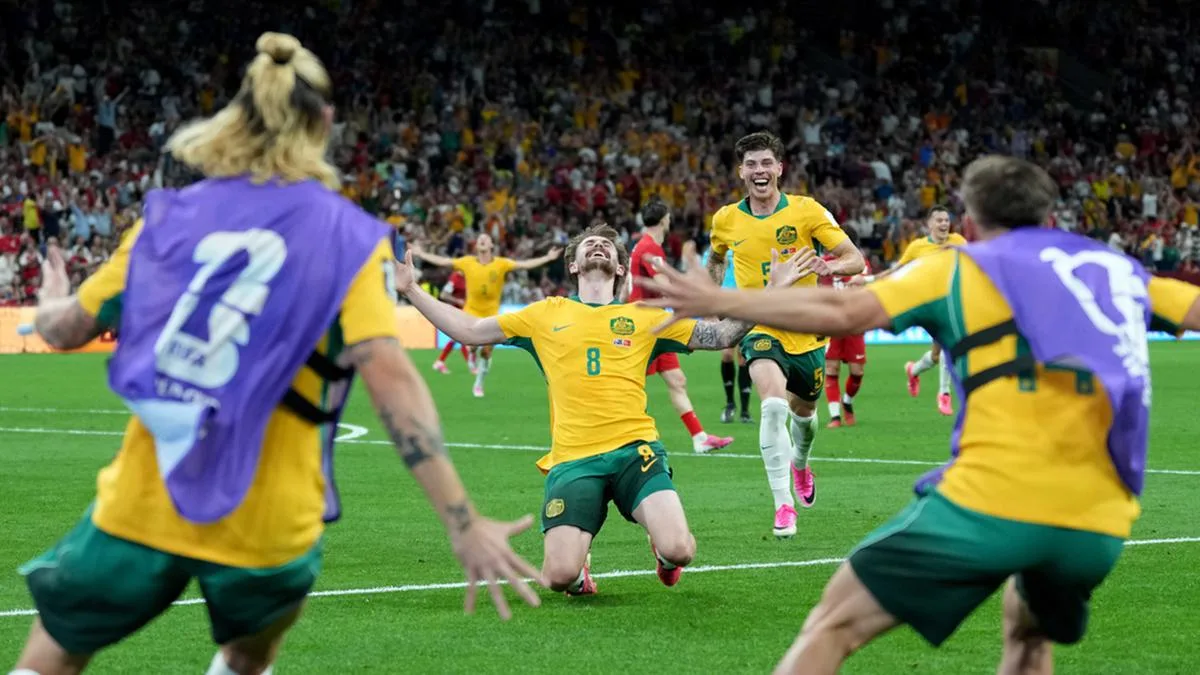
The planned meeting between the Australian national team and Jordan in the November 2026 FIFA Matchday window is at a crossroads after the majority of Socceroos players refused to fly to Amman. Through the Professional Footballers Australia (PFA), they asked Football Australia to review the location or schedule of the match originally set for 18 November, citing safety in the Middle East region.
The objection is not without basis. Previously, the Asian Football Confederation (AFC) postponed the 2027 Asian Cup in Saudi Arabia following attacks by Houthi groups from Yemen. As a consequence, the friendly against Jordan is no longer a crucial part of tournament preparation, so the players question the urgency of traveling to a risky zone. Football Australia also delayed the squad announcement originally scheduled for Friday (6/11/2026) until the weekend, signaling that negotiations are still tough.
PFA CEO Beau Busch said his side had involved independent security experts to assess the situation. According to Busch, most players believe the match should be moved or rescheduled. "With the full support of the PFA, the players have in the majority expressed the view that the match against Jordan should be rescheduled or moved to another location," he said, as quoted by The Guardian. He added that the PFA is committed to working with the federation to find a reasonable solution.
Amid the deadlock, winger Awer Mabil showed a different stance. He stated he is ready to join if called up, wherever the match is held. "I am always happy when I get a national team call-up and can represent my own country. To me, that is the greatest honor a player can get," Mabil said. He believes the federation will implement the necessary security measures and will not put players in a risky situation.
This case shows a shift in the landscape of international football: players are increasingly bold in voicing non-technical concerns, especially about safety. The federation faces a dilemma between complying with the FIFA schedule and maintaining player trust. If the match goes ahead without key players, the value of the friendly drops; if it is canceled, Australia loses the chance to sharpen tactics against a West Asian team.
For Indonesia, this dynamic is a mirror. The Garuda national team also often plays matches in the Middle East, and the security issue could be a consideration when arranging the FIFA Matchday agenda. PSSI needs to ensure that safety protocols and communication with players run transparently so that similar unrest does not occur. Meanwhile, Football Australia's final decision will be a precedent for other associations in handling player objections in conflict areas.
The question is, will the federation choose to postpone the match for the sake of player solidarity, or force the schedule at the risk of losing star players? In the coming days, the direction of Football Australia's policy will be answered, and the result could influence how other countries plan friendlies in vulnerable regions.