Mississippi Shock: Democrat Colom Leads by 1,800 Votes, Hyde-Smith on the Brink
Baca dalam 60 detik
- Scott Colom, a district attorney, is narrowly ahead of Republican Senator Cindy Hyde-Smith with 96% of votes counted, but the race remains uncalled.
- A win would mark the first Democratic Senate victory in Mississippi since 1982 and make Colom the state's first Black senator since Reconstruction.
- The outcome hinges on mail-in ballots that can arrive until early next week, prolonging uncertainty in a state Trump carried by 22 points in 2024.

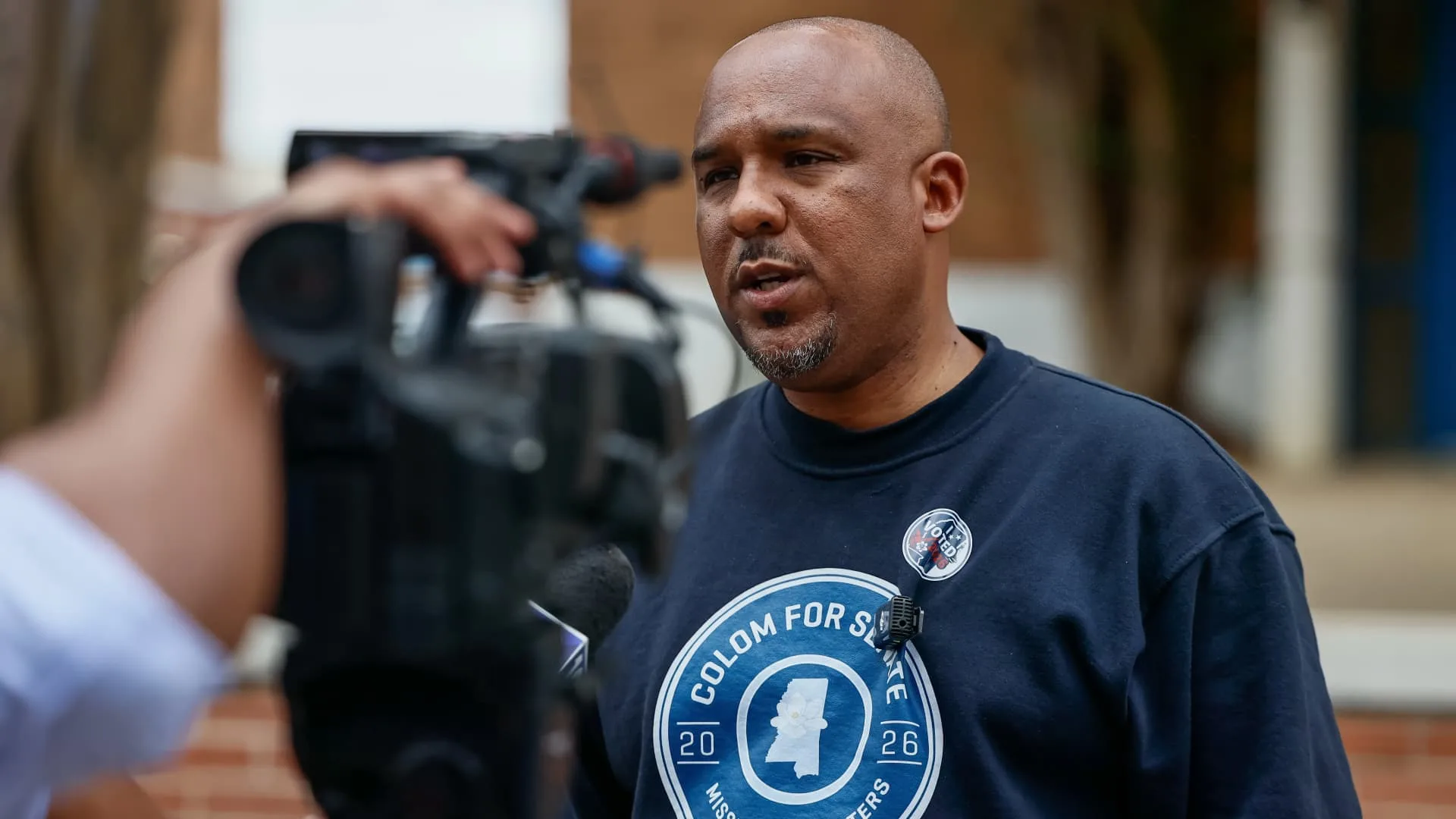
In a political upset that few saw coming, Democrat Scott Colom, a district attorney, is leading Republican incumbent Cindy Hyde-Smith by slightly more than 1,800 votes in Mississippi's US Senate race—a contest that has defied the state's deep-red reputation. With 96% of precincts reporting, the Associated Press has not yet declared a winner, leaving both parties on edge.
The razor-thin margin underscores a dramatic shift in a state where Donald Trump cruised to a 22-point victory in 2024 and where no Democrat has won a Senate seat since 1982. Hyde-Smith, who is completing her first full term, now faces the possibility of an astonishing defeat. If Colom prevails, he would also become the first Black senator from Mississippi since the Reconstruction era—a historic milestone with national implications.
What's keeping the race in limbo is Mississippi's mail-in ballot rule: absentee ballots postmarked by Election Day and received within five business days are still valid. That means the final tally may not be known until early next week, prolonging a suspenseful count that has already drawn national attention. Both campaigns are bracing for a possible recount if the margin tightens further.
The surprisingly competitive race reflects broader volatility in US politics, where traditional strongholds are showing unexpected cracks. For Democrats, a win in Mississippi would signal an extraordinary breakthrough in the South, potentially reshaping the party's strategy for future cycles. For Republicans, losing a seat in such a reliably conservative state would raise questions about candidate quality and local dynamics, even as the party retains a strong overall grip on the region.
“This is a wake-up call for both parties,” said a political analyst familiar with the race. “Mississippi is not supposed to be this close. It shows that no seat is safe when voters are energized and the national mood is turbulent.”
The contest also carries symbolic weight. Colom's candidacy has energized Black voters and progressive groups, while Hyde-Smith's campaign has leaned on her incumbency and ties to Trump. The outcome could influence how both parties allocate resources in the 2028 election cycle, particularly in states with large rural and minority populations.
For Indonesia, the Mississippi race may seem distant, but it offers lessons about electoral competitiveness and the importance of every vote. In a world where democratic institutions are under scrutiny, the fact that a single Senate seat can hinge on a few thousand ballots—and a week of counting—reminds us that margins matter. Indonesian policymakers and political observers often look to US elections for signals on trade, security, and climate policy; a shift in Senate control, even narrowly, could affect bilateral priorities.
As the count continues, all eyes are on Mississippi's remaining absentee ballots. If Colom holds on, his victory would be a seismic event in American politics, forcing both parties to rethink their assumptions about the South. If Hyde-Smith claws back, it would be a relief for Republicans but still a warning sign. Either way, the final result will not just decide one seat—it will shape the narrative for the 2026 midterms and beyond.