Democrats Win on Climate With Cost-of-Living Message: 'Green Populism' Becomes the New Formula
Baca dalam 60 detik
- Gelombang biru mengantar kandidat pro-iklim menguasai Senat, DPR, dan sejumlah kursi gubernur, setelah kampanye yang menyatukan krisis iklim dengan beban tagihan listrik dan harga energi.
- Analisis Climate and Community Institute mencatat 70 persen kandidat dengan pesan green populism menang, sementara industri minyak dan gas membuang US$182 juta untuk mendukung lawan dan gagal.
- Kemenangan ini membuka jalan bagi pengawasan kongres terhadap laba perusahaan minyak dan upaya memulihkan anggaran sains iklim, tetapi juga menguji konsistensi politisi yang mulai melunak soal transisi energi.
The Democratic Party's landslide win in the US midterm elections was not merely a rejection of Donald Trump but the marker of a new political formula: the climate crisis framed as a question of purchasing power. Candidates who championed the energy transition captured the Senate, the House, and a string of governorships after linking soaring electricity and fuel prices to lopsided energy policy. For voters, climate change is no longer an abstract discourse but a monthly bill that grows ever more suffocating.
For years, pro-environment politicians were haunted by a dilemma: speak openly about climate or focus on economic issues that are easier to digest. Some senior figures, including California Governor Gavin Newsom, had warned of the danger of "muzzling" the climate issue. But the election results upended that assumption. The think tank Climate and Community Institute (CCI) found that the candidates most vocal on green economic justice won 39 of the 56 federal seats they contested, including six of seven Senate seats and 33 of 49 House seats.
According to CCI Executive Director Johanna Bozuwa, voters want leaders who can bring down the cost of living while taking on corporate power. "Climate is a crucial part of that equation," she said. CCI's analysis highlights a consistent pattern: successful candidates tied expensive electricity and rent to the same actors—utility companies, oil giants, data center developers, and corporate landlords.
Data centers became the target of voter anger that most cut across party lines. Environmental activist Bill McKibben judged that the issue unites Republicans, Democrats, and independents. "There is no doubt that data centers are the biggest cross-cutting issue," he said. In Ohio, Senator Sherrod Brown tied his victory to opposition to data center expansion backed by his opponent, Jon Husted, while the state's electricity bills surged 34% since 2022. A leaked internal Republican Party memo even acknowledged data centers as "the burden hanging around Husted's neck".
The victory also reveals a shift in how candidates view the energy transition. In Texas, James Talarico—who once called fossil fuels "destroying the planet"—now champions an "all of the above" approach that still protects the oil industry. In California, Randy Villegas supports oil and gas jobs while pushing for growth in solar and geothermal power. Meanwhile Will Lawrence, a climate activist who won a seat in Michigan, has begun to doubt giant-scale clean energy projects and shifted toward a politics of community control over projects.
Control of Congress gives Democrats a potent investigative weapon. Jared Huffman, a senior politician on the House Natural Resources Committee, pledged to investigate the surge in oil company profits, which have reached US$130 billion since the war with Iran began. Democrats can also block the nominations of federal judges and cabinet officials hostile to the climate agenda, and use their leverage in budget negotiations to slip in climate provisions. But the window is narrow: a controversial permitting reform bill is scheduled for a Senate vote on 9 November, before new members are sworn in in January.
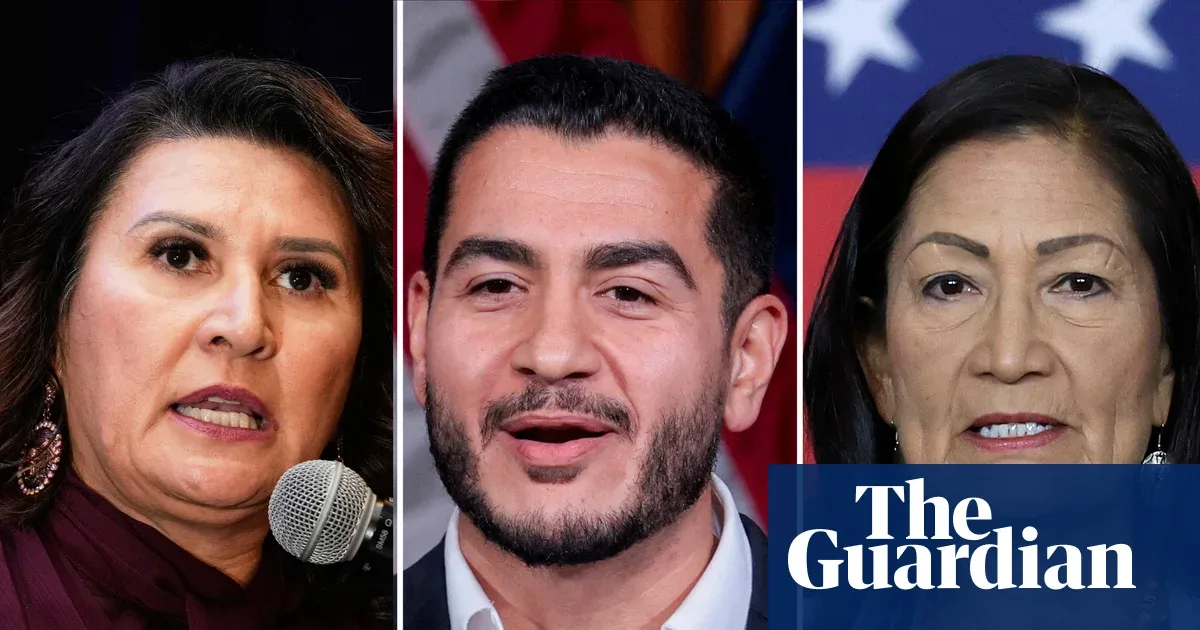
At the state level, climate has also become a decisive electoral issue. Deb Haaland became the first Native American woman governor of New Mexico after campaigning on her record as Interior Secretary who integrated climate science. In Georgia, Keisha Lance Bottoms won the governorship with a promise to slow data center expansion in order to bring down electricity bills. Meanwhile in Oregon, Eugene voters approved a 2% levy on corporations such as Amazon and Walmart to fund renewable energy and green job training—a model that mirrors the Portland Clean Energy Fund, which has invested US$1.7 billion.
For Indonesia, this wave offers a valuable lesson. As a country dependent on coal yet with big renewable energy ambitions, Indonesia faces a similar dilemma: how to sell the energy transition as a cost-of-living solution, not merely an international commitment. Electricity tariff policy and energy subsidies that have long weighed on the budget could become an effective political entry point if tied to household welfare. But without strong oversight institutions, the promise of "green populism" risks remaining electoral rhetoric.
The question ahead: will Democrats use this victory to push for a bold climate breakthrough, or will they get stuck in compromise with the industries that have long been the target of their criticism? In the coming months, the direction of US energy policy—and its echo through to global energy markets—will be determined by how seriously they translate campaign promises into legislation.