Robert Habeck and the Hard Test of German Green Politics
Baca dalam 60 detik
- Robert Habeck, wajah terdepan politik hijau Jerman, kini menghadapi tekanan politik yang mengancam kariernya.
- Serangan dari media tabloid dan fluktuasi elektoral membuat posisinya sebagai Wakil Kanselir tidak lagi aman.
- Mampukah Habeck mempertahankan pengaruh dan membuktikan bahwa agenda hijau tetap relevan di tengah krisis?
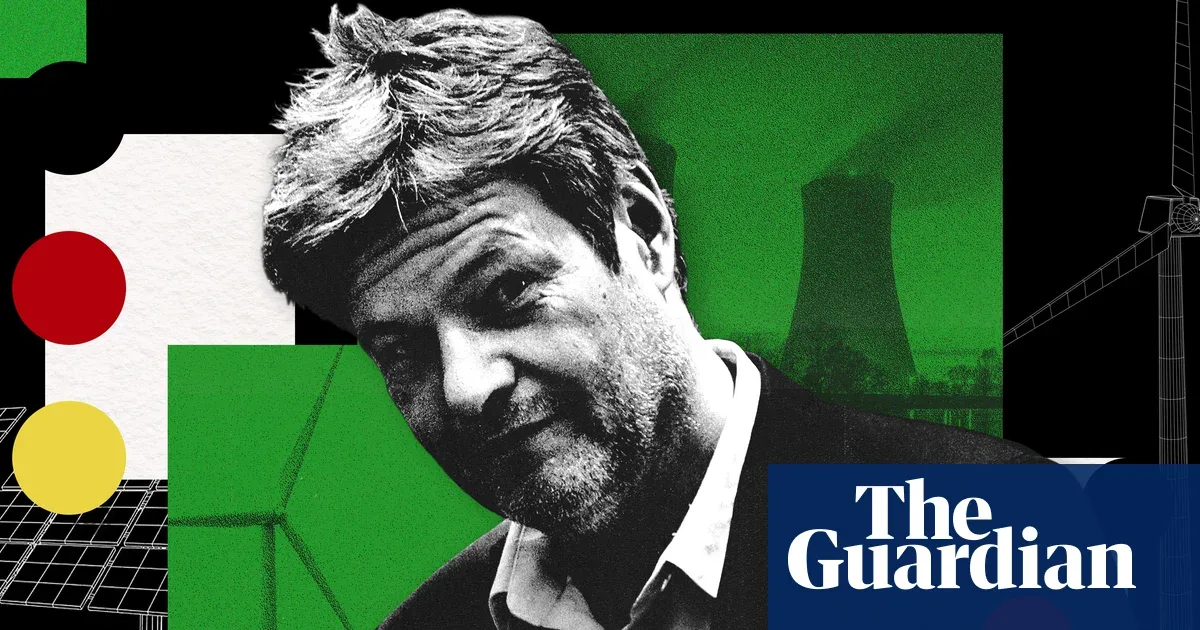
Robert Habeck, Germany's Vice Chancellor and the most prominent figure of the Green Party, is at the center of a decisive political test. A year ago, he was still one of the most liked public figures in Germany. Now, after a wave of criticism driven by the tabloid media, Habeck must fight hard to preserve his credibility and influence on the national political stage.
Habeck's position as economy and climate minister makes him an easy target for the opposition and for media outlets on the other side. The ambitious energy transition policy, including a plan to replace fossil heating systems with heat pumps, has triggered controversy among a public worried about the cost of living. Relentless attacks from the popular German tabloid Bild have further clouded his image in the public eye.
Even so, Habeck is not without supporters. The Green Party's grassroots base and some academics still see him as a figure willing to take unpopular steps for the sake of the environmental future. But mounting political pressure has made his position as Vice Chancellor under Olaf Scholz increasingly uncomfortable. The governing coalition of the SPD, the Greens, and the FDP is also being tested for its cohesion.
In the Indonesian context, Habeck's political dynamics offer a valuable lesson on how progressive environmental policy often collides with domestic economic and political realities. Indonesia, which is pushing its energy transition toward net zero emissions by 2060, can learn from the German experience: effective public communication and solid political support are the keys to successful green policy. Without them, an ambitious environmental agenda risks falling victim to electoral battles.
"Habeck is a real example that green politics is not enough with vision alone, but also needs a communication strategy capable of embracing all layers of society," said an environmental politics observer from the University of Indonesia, though he did not specifically refer to a source statement.
Going forward, Habeck's future will depend heavily on his ability to convince the public that the policies he has taken are the best path. If he fails, it is not impossible that the Green Party will look for another figure to lead their struggle. Conversely, if he succeeds, Habeck can prove that green politics is not merely idealism, but also a realistic and sustainable strategy. The question is, will Germany and the world see Habeck as a winner or as a victim of his own ambition?