US Strikes Qeshm Island as Vance Talks Negotiated Solution: Gulf Tensions Heat Up
Baca dalam 60 detik
- Militer AS melancarkan serangan ke Pulau Qeshm, Iran, sebagai respons atas penggunaan rudal permukaan-ke-udara terhadap aset Amerika.
- Wakil Presiden JD Vance menyatakan optimisme terhadap penyelesaian negosiasi, namun Tehran menegaskan belum ada kesepakatan dan mengancam balasan.
- Ketegangan di Selat Hormuz berpotensi mengganggu pasokan minyak global dan menekan pasar energi, dengan implikasi bagi ekonomi Indonesia.
The United States military reportedly struck Iran's Qeshm Island on Monday (2/11), according to a US official cited by MS Now. The strike was described as a “defensive action” after Iran allegedly fired a surface-to-air missile at American assets. The incident adds to the heat in the Persian Gulf, a region that has long been a vital route for global energy trade.
An initial report from The Wall Street Journal said Washington had carried out “limited strikes” against Iran in recent weeks. The military operations were deliberately not widely publicized to avoid the impression of a major escalation. However, the strike on Qeshm—the largest island in the Persian Gulf, adjacent to the Strait of Hormuz—has raised fears of a wider conflict opening up. The island is known as a storage site for anti-ship missiles, mines, drones, and fast attack craft inside underground tunnels, according to circulating intelligence reports.
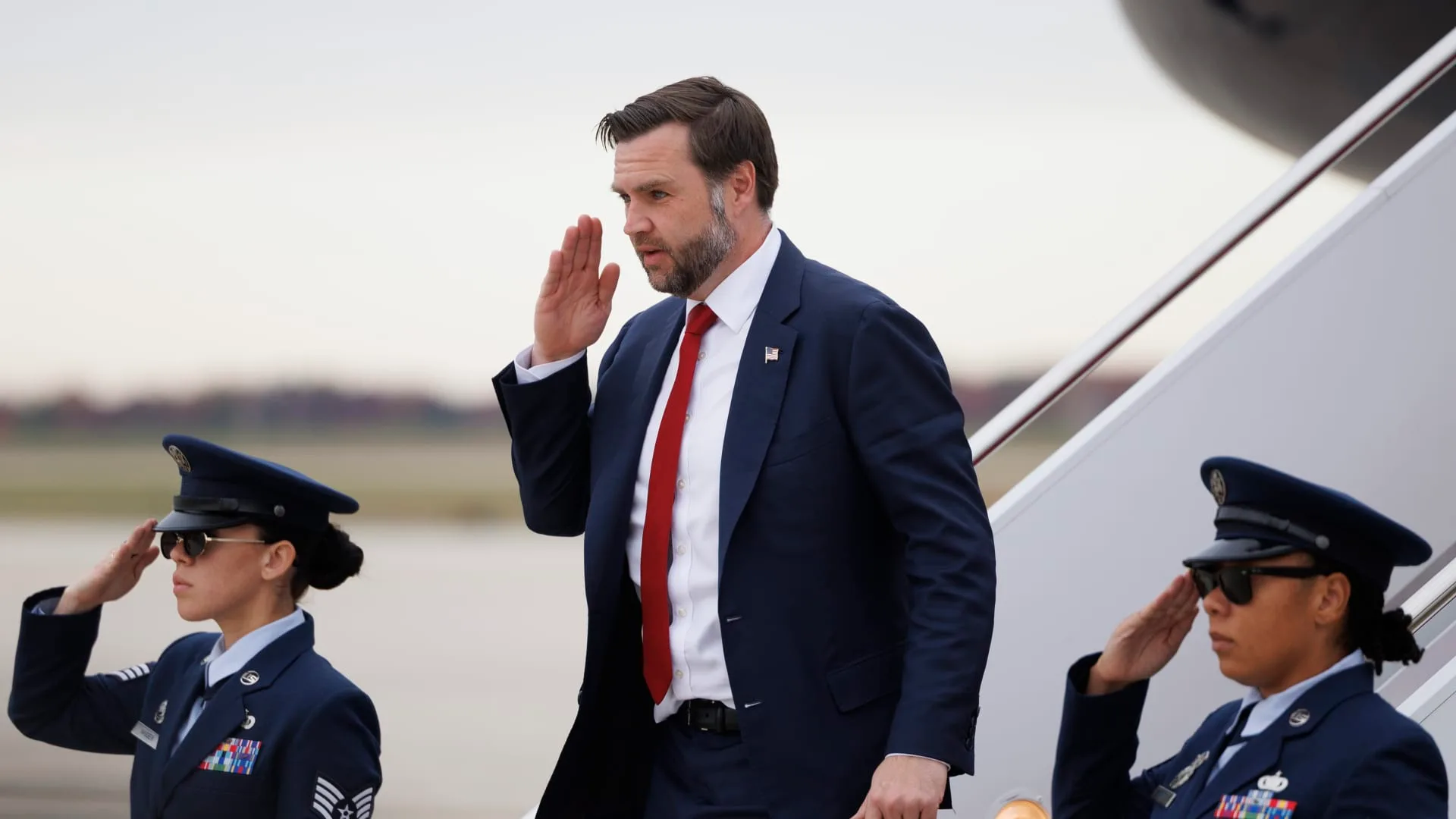
Amid the tensions, Vice President JD Vance expressed optimism that the US and Iran could reach a “negotiated settlement.” Speaking to CNN, he said he and President Donald Trump felt “very good” about the prospects for a peace deal. Nevertheless, Vance warned that Iran is “unpredictable” and that Trump still holds “kinetic and non-kinetic” options against Tehran. He stressed that Washington has not set a deadline for reaching an agreement.
However, a senior Iranian official denied any meaningful progress. Speaking to Reuters, he stressed that Tehran would respond to US aggression with force in the region and beyond. “The enemy seeks to force the Iranian nation to surrender through threats and military action, but they are mistaken. Iran will not submit,” he said. The official also stressed that Tehran's conditions must be met if the US wants the Strait of Hormuz reopened, and that nuclear talks could only begin after that. Iran rejects Washington's “excessive demands.”
“The president and I both feel very good about the prospects of reaching a negotiated settlement,” Vance told CNN, adding that Iran is “unpredictable” and that Trump still has military options.
In his remarks, Trump stressed that the US must go to war with Iran to prevent it from obtaining nuclear weapons. “We will never let Iran have a nuclear weapon. And they understand that,” Trump said. He even mentioned the possibility of targeting Mount Pickaxe, an underground nuclear facility south of the Natanz enrichment plant, if necessary. “We may have to hit Pickaxe, but that's not a big deal,” he said, claiming the US could destroy it within an hour. Earlier, Secretary of State Marco Rubio said Trump prefers a peaceful settlement over war with Iran and is reluctant to use military force.
The tensions are not without economic impact. The Strait of Hormuz is a choke point for about one-fifth of global oil production. Any disruption in the region could trigger a surge in crude oil prices, which in turn would weigh on energy costs and inflation in many countries, including Indonesia. As a subsidized oil importer, Indonesia is vulnerable to global energy price shocks. The government needs to anticipate a possible rise in world oil prices that could widen the budget deficit and disrupt rupiah stability.
Still, diplomatic signals are emerging. Qatari mediators reportedly left for Tehran on Monday night to discuss a draft US-Iran agreement that has been negotiated over the past eight days. However, fundamental differences between the two sides—especially over the nuclear program and the lifting of sanctions—remain a stumbling block. Iran insists its conditions must be met before nuclear talks begin, while the US demands a complete halt to uranium enrichment.
With the US military growing more aggressive in the Persian Gulf and Iran vowing retaliation, the prospects for peace remain fragile. The question is whether diplomacy can overcome the tensions before the region is dragged into a wider open war. The world, especially energy-importing countries like Indonesia, will await the answer anxiously.