UK Halts New North Sea Oil Exploration, Government Claims Energy Transition
Baca dalam 60 detik
- Pemerintah Inggris mengajukan RUU yang mencabut kewenangan pemberian lisensi eksplorasi migas baru di Laut Utara.
- Langkah ini menuai kritik dari oposisi dan pelaku industri yang menilai kebijakan membahayakan ketahanan energi dan lapangan kerja.
- Pemerintah menyiapkan dana kekayaan energi £2 miliar untuk mendukung transisi, sementara keputusan atas proyek Rosebank masih menggantung.
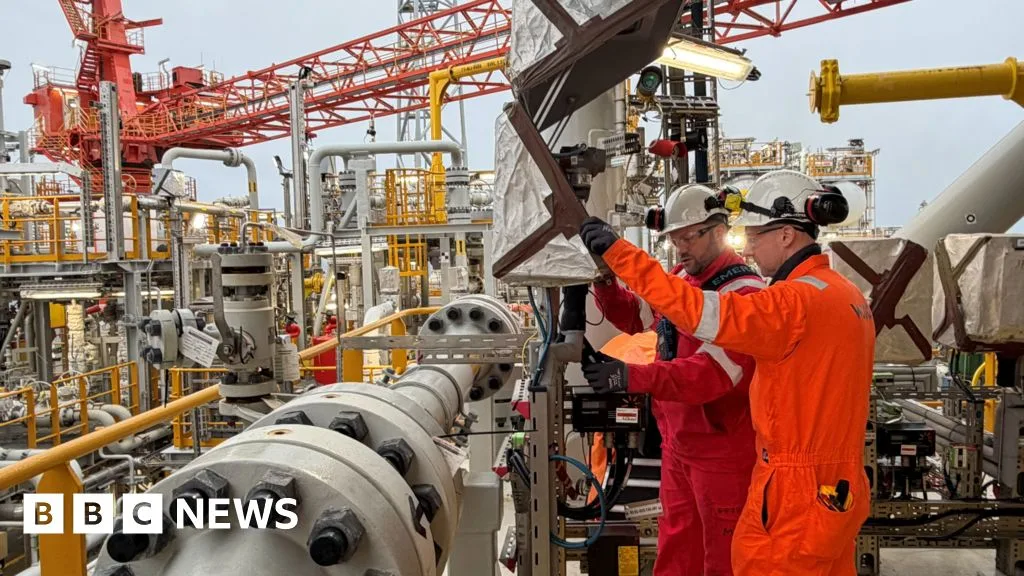
The UK government has officially taken steps to stop granting new oil and gas exploration licenses in the North Sea through the Energy Independence Bill submitted to parliament. The bill will remove the North Sea Transition Authority's (NSTA) authority to issue new permits, in line with the Labour Party's 2024 manifesto pledge and its carbon emissions reduction commitment.
The policy does not immediately revoke approvals for existing projects, including Rosebank—the largest untapped oil field off the coast of Shetland—which was approved in 2022 and now faces legal challenges. The government stressed that a decision on Rosebank will be taken separately, taking legal and environmental aspects into account.
To cushion the economic impact, the bill introduces a Transitional Energy Certificates scheme that allows existing fields to increase production from adjacent areas or areas still within licensed territory. The government estimates the policy could yield around 60 million barrels of oil and sustain hundreds of jobs in the North Sea region.
The move has triggered fierce debate. The Conservative Party called the policy "dangerous" and accused Labour ministers of being insensitive to the economic and energy threats facing the country. Meanwhile, environmental groups such as Greenpeace UK welcomed the bill as "a step forward for the clean energy transition" but urged the government to reject the Rosebank project, which they argue would negate the law's climate and cost-of-living benefits.
"Shutting down North Sea oil and gas production makes no sense. The UK will still need oil and gas for decades to come. The question is whether we produce it ourselves to support jobs and energy resilience, or pay other countries to produce it for us," said Russell Borthwick, CEO of the Aberdeen and Grampian Chamber of Commerce.
From the industry side, David Whitehouse, CEO of Offshore Energies UK, said the government is right to target energy affordability but must also prioritize energy resilience. He reminded that the UK imports more than 40% of its energy needs, leaving households and businesses vulnerable to global market turmoil. "We should maximize energy produced at home rather than rely on imports," he stressed.
The bill also includes the abolition of gas standing charges and reform of electricity grid connections to accelerate renewable energy integration. The government additionally established an energy wealth fund with initial capital of £2 billion sourced from oil and gas extraction taxes, to be invested in renewable and low-carbon energy projects.
Prime Minister Andy Burnham stated that the changes will permanently lower energy bills, provide security for families, and restore the UK's control over its energy future. Similarly, Energy Minister Miatta Fahnbulleh emphasized that the bill will build a clean energy future whose impact is felt directly by households and communities.
The decision comes just two weeks after the government approved production from the Jackdaw gas field off the coast of Aberdeen, which is claimed will help heat millions of homes. However, environmental activists argue the approval will make no meaningful difference to UK energy resilience and will instead hinder efforts to tackle climate change.
Both Jackdaw and Rosebank were previously approved by the Conservative government, but after facing legal challenges from environmental groups, the Labour government must decide whether to proceed with the projects. Rosebank, located 80 miles northwest of Shetland, is estimated to contain 300-500 million barrels of oil. Supporters see it as a savior for the northeast Scottish energy industry, while opponents worry the project will worsen the climate crisis and slow the green energy transition because most of its production will be exported for processing abroad.
Scottish First Minister John Swinney declined to take a definitive position on Rosebank. He stressed that carbon emissions from individual site developments must be assessed for compatibility with net zero targets, and that this is a legal obligation the UK government must go through.
With this move, the UK stands at a crossroads between climate ambition and the reality of energy resilience. Will this policy truly accelerate the clean energy transition, or will it widen dependence on imports and trigger economic turmoil in oil and gas producing regions? The public will be watching how the government balances both interests in the bill's implementation.