AI Token Prices Plunge 77%, Mac Compute Rental Income Shrinks
Baca dalam 60 detik
- Darkbloom, jaringan inferensi AI terdesentralisasi, memperingatkan anggotanya bahwa pendapatan dari penyewaan kapasitas Mac akan turun tajam seiring merosotnya harga token.
- Penurunan harga token Anthropic hingga 77% dalam lima bulan memukul pendapatan operator, dengan proyeksi pendapatan bulanan anjlok dari sekitar $160 menjadi hanya $37.
- Darkbloom berupaya mendiversifikasi beban kerja dan klien agar anggota tetap mendapat penghasilan di tengah persaingan harga yang semakin ketat.
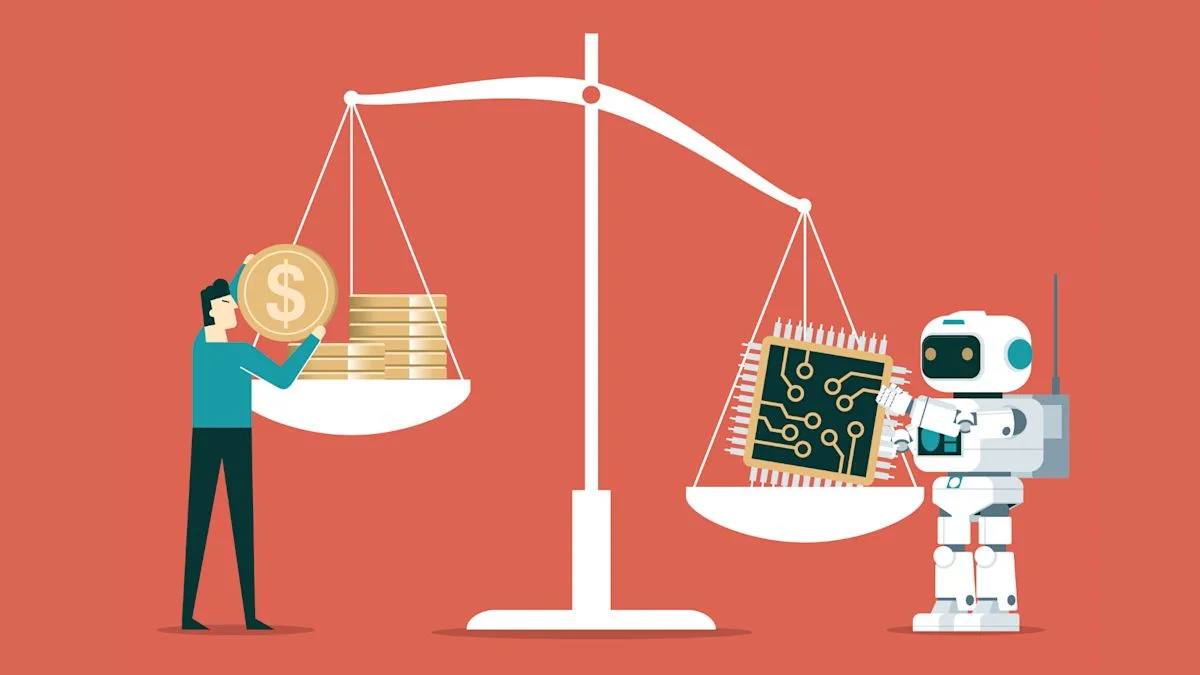
Darkbloom, a decentralized AI inference network that aggregates computing capacity from Mac computers, has issued a stark warning to its members: income from renting out idle devices will fall sharply. The trigger is the plunge in AI token prices, which over the past five months have dropped 77% for providers such as Anthropic—from $2.65 per million tokens in May to $0.62 in October 2026. The decline deals a direct blow to the home compute rental business model that has served as an alternative income stream for Mac owners.
The warning followed a statement by Kydo, a researcher at Eigen Labs, the developer of the compute platform. According to him, data centers are now far cheaper to operate. “Output per NVIDIA cluster is up about 20 times this year, and their margins are wide enough to cut prices 90 percent and still profit 50 percent,” he said, as quoted by The Register. “The market has caught up to our pricing. We could cut further, but that means most of you will get less than nothing.”
The impact shows in operators' projected earnings. A Mac Mini M5 Pro with 64GB of unified memory is estimated to earn up to $192 per month in the best-case scenario. However, the median income of the top 50 operators on the Darkbloom leaderboard is only about $159.86 per month, equivalent to $5.26 per day or $1,918.50 per year. If Anthropic's 77% token price decline is factored in, that figure drops to $36.77 per month, or about $1.23 per day—a significant decline for device renters.
This phenomenon is not merely about price per token. The pace of AI cost declines even outpaces Moore's Law, with reports saying AI becomes 50% cheaper every quarter and up to 13 times more affordable every year. Yet corporate AI budgets running out within months are driven more by the surge in tokens used, as adoption of AI agents grows faster than prices fall. On the other hand, OpenRouter—Darkbloom's main client—has begun prioritizing decode speed, quantization, and prefill speed, putting users without the latest Apple Max or Ultra chips at a disadvantage.
Facing this pressure, Darkbloom says it will not stand still. The network is analyzing model demand to advise members on which models are in high demand. It is also exploring other types of workloads beyond inference, such as distributed CI/CD jobs, improving network performance to compete with other compute providers, and seeking new clients besides OpenRouter. This diversification is key to staying relevant in an increasingly competitive market.
For Indonesia, this development offers an important lesson. The home compute rental business model is promising, but highly vulnerable to global price fluctuations. Local technology players looking to develop similar services need to consider workload diversification and strategic partnerships so as not to depend on a single revenue source. The government can also encourage research and development of more sustainable AI infrastructure, including optimal use of existing hardware. The question is, will token prices keep falling to zero, and how can small operators around the world—including in Indonesia—survive?