Trump Takes Aim at 'Big Oil' Over Refinery Profits as Five Energy Giants' Revenue Surges
Baca dalam 60 detik
- Lima perusahaan minyak terbesar mencatat kenaikan tajam laba kilang setelah gangguan pasokan global dan margin bahan bakar melonjak.
- Konflik di Rusia dan Timur Tengah memperketat pasokan minyak mentah dan produk olahan, sementara penutupan kilang di Eropa memperparah kelangkaan.
- Para analis memperkirakan tekanan pasokan akan berlanjut hingga 2027, dengan harga bahan bakar tetap tinggi meski ada upaya politik untuk menstabilkan pasar.
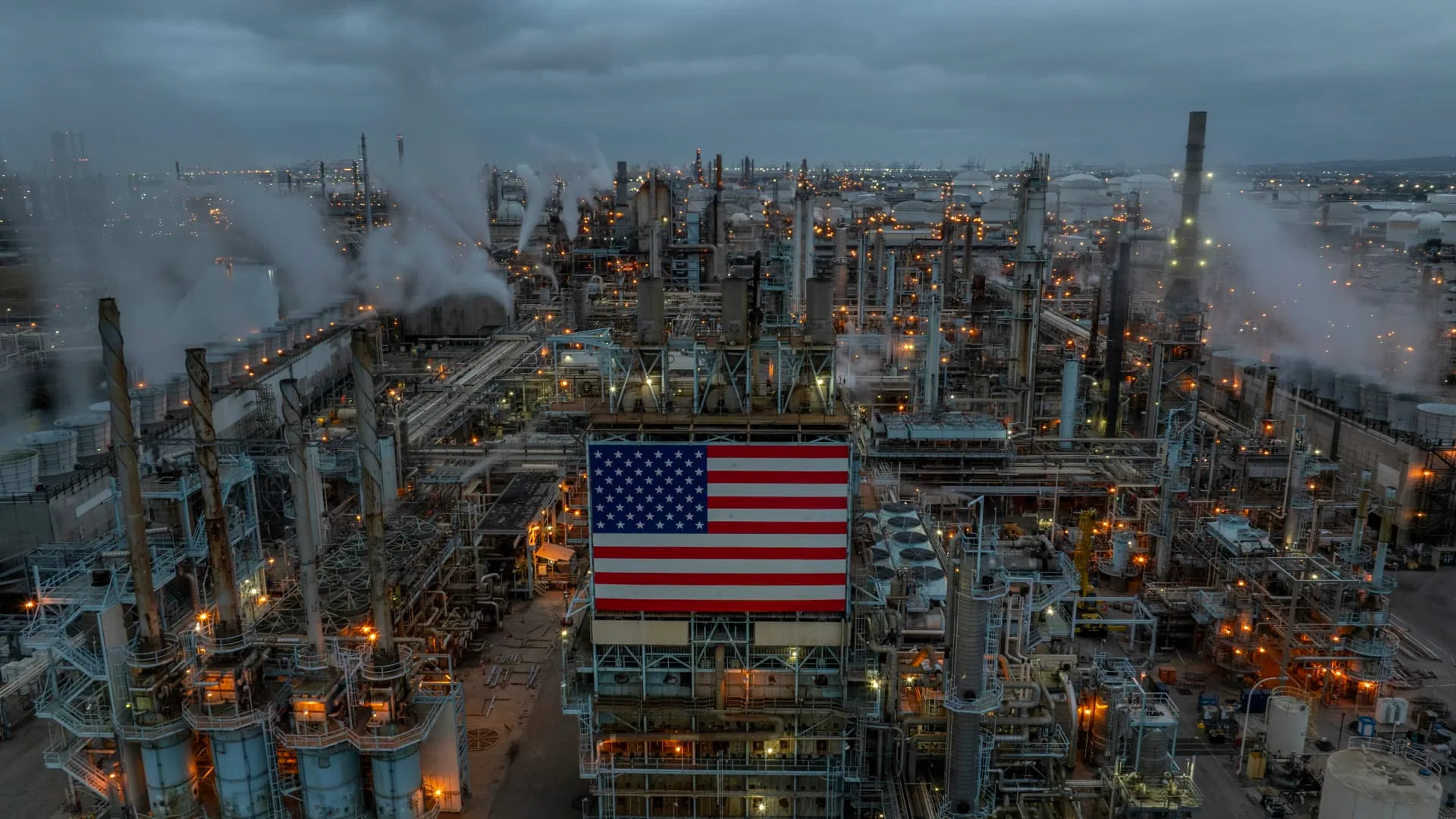
US President Donald Trump's criticism of ExxonMobil and Chevron in August—accusing them of reaping excessive profits from supply shortages—aligns with the reality of the latest financial reports. Five global energy giants—Shell, BP, TotalEnergies, ExxonMobil, and Chevron—all posted significant jumps in their downstream or refinery segments, the main indicator of revenue from processing crude oil into gasoline, diesel, and jet fuel.
Chevron, which does not publish refinery margins separately, reported its downstream profit soared more than fourfold year-on-year to US$4.9 billion on Friday (31/10). The company said the increase was supported by higher margins on sales of refined products. Meanwhile, Shell, BP, TotalEnergies, and ExxonMobil separately disclosed much larger margins in their refined-products business, even as they claimed to have run refineries near full capacity to meet demand.
The main trigger for the tight supply is sustained Ukrainian drone attacks on Russian refineries, as well as disruptions to energy infrastructure and supply chains in the Middle East caused by the Iran war and Houthi attacks on Saudi Arabia. These factors have worsened the impact of refinery closures in Europe and North America over the past two decades. European Union Commissioner for Energy and Housing Dan Jørgensen said this week that about a quarter of EU refineries have closed in the past 20 years, warning of an energy security "crisis".
The profit increase contrasts with the burden borne by consumers from soaring energy prices. Analysts assess that political efforts to suppress prices—such as releasing emergency diesel stocks and a US deal with Russia for additional diesel supply—will have only a limited impact unless accompanied by an increase in real supply, weaker demand, or an easing of geopolitical tensions. Raphael Portela, Director of Corporate Strategy and Analytics at energy consultancy Wood Mackenzie, told CNBC that crude oil is still "coming out of the Gulf" amid the war, but "with a sharp shipping premium", while "the diesel and jet fuel that should be produced from those barrels are largely missing".
"Refinery disruptions and Russia's export ban have taken a second blow out of the global supply pool," Portela said, outlining the conditions for the crisis to end: product supply returning to normal as more crude becomes available, Gulf refineries restarting, and Russian exports recovering. "A Hormuz deal would quickly pressure margins on sentiment, but with inventories drawn down, physical tightness will persist into 2027."
For Indonesia, the surge in global refinery margins is an early warning. As a net importer of crude oil and refined products, the cost of fuel imports could swell, which in turn could pressure energy subsidies and domestic inflation. The government needs to anticipate fiscal pressure if global tensions continue, while accelerating the energy transition and diversifying supply sources. Dependence on an international market vulnerable to structural disruptions makes strengthening national energy resilience increasingly urgent.
Looking ahead, the question is not merely whether fuel prices will fall, but how long the world can withstand tight supply before new refinery investment and geopolitical improvements deliver real relief. Without a resolution to conflicts and an increase in processing capacity, energy cost pressures will continue to loom over global economic growth, including Indonesia's.