Mbappe Apologizes as FFF Urges Mao Zedong Controversy to End
Baca dalam 60 detik
- Philippe Diallo meminta publik berhenti memperpanjang polemik Kylian Mbappe yang menyebut Mao Zedong sebagai diktator.
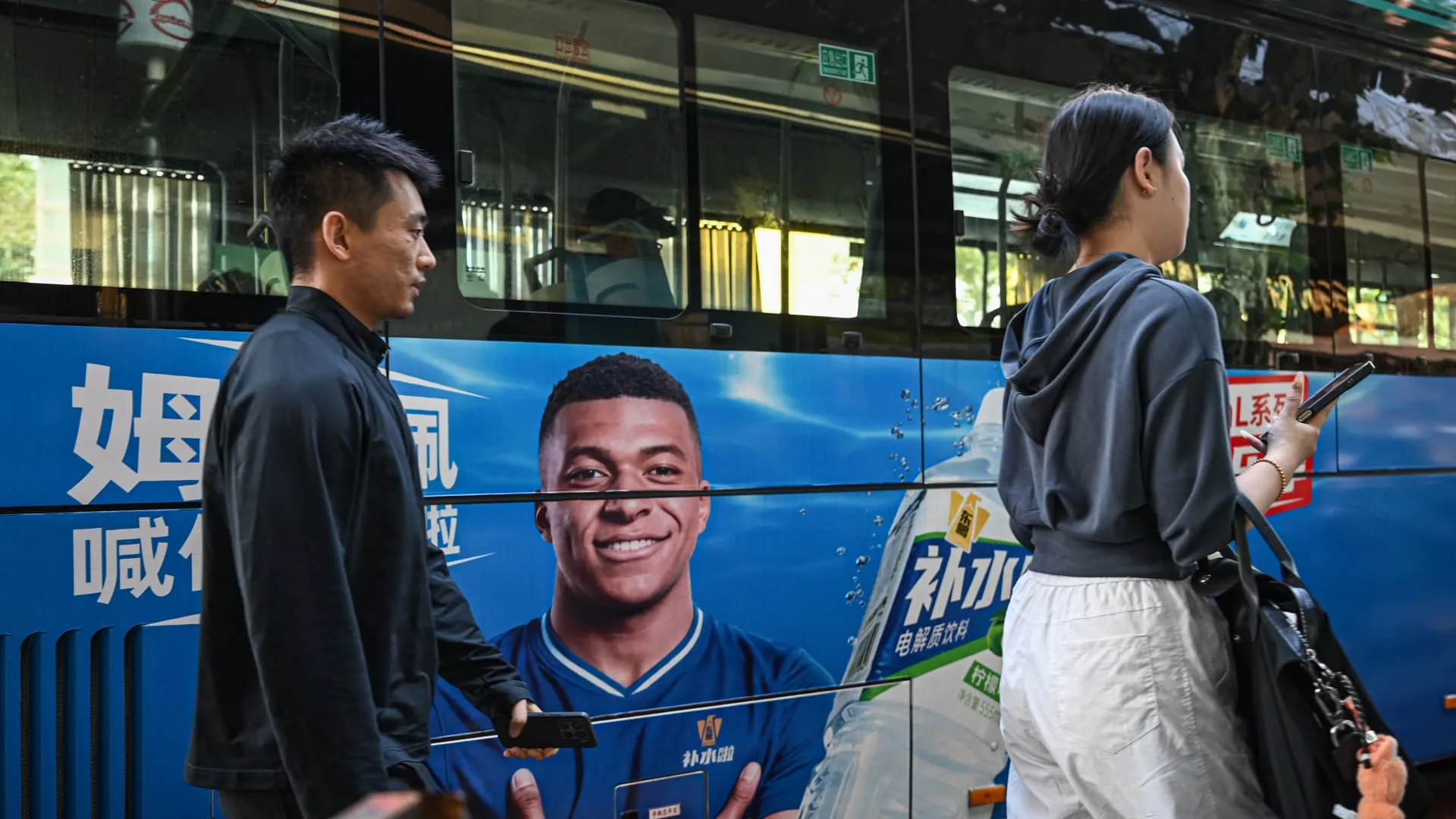
- Sejumlah sponsor China menghentikan kerja sama dengan Mbappe, sementara Migu tidak menayangkan laga Real Madrid.
- Dampak komersial di Negeri Tirai Bambu menjadi ujian bagi La Liga dan Real Madrid dalam mengelola krisis citra pemain bintang.
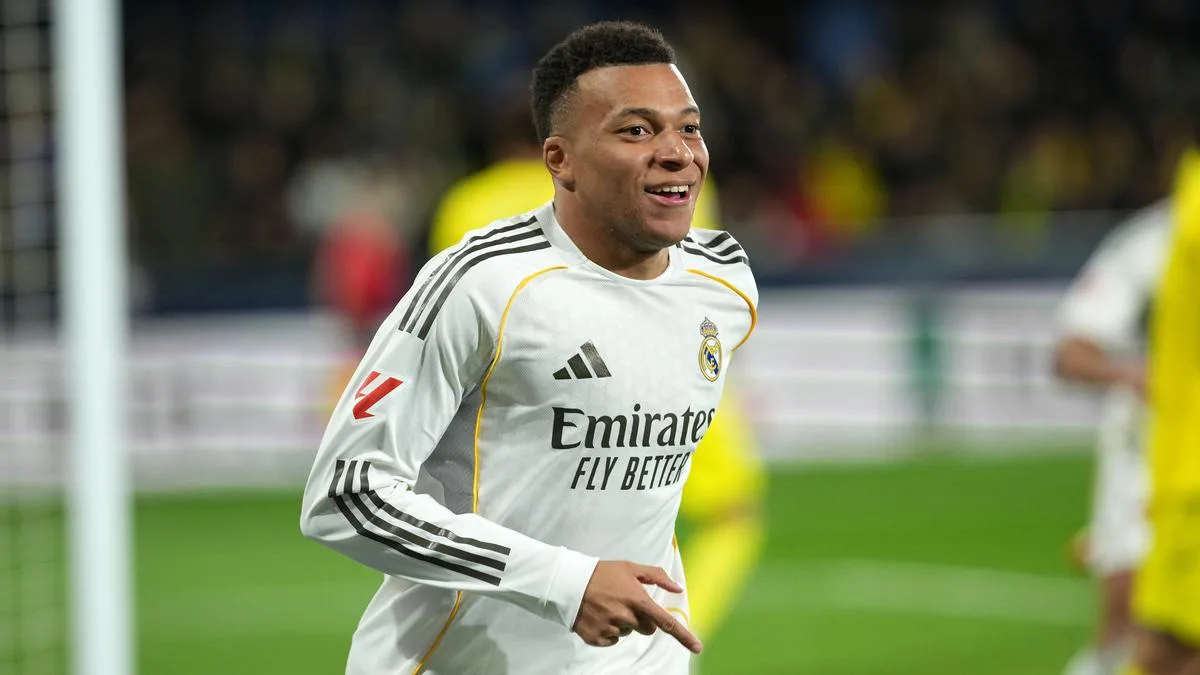
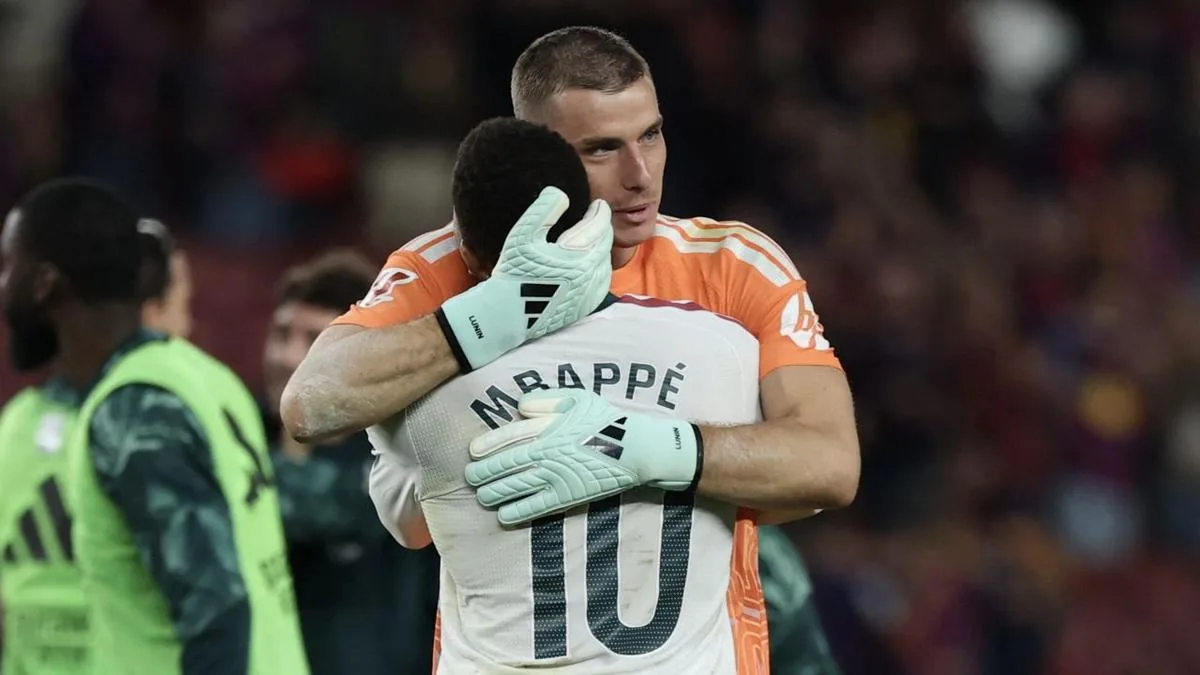
French Football Federation (FFF) President Philippe Diallo has called for the controversy involving Kylian Mbappe to be brought to a close. He stressed that the France national team captain has apologized for his remarks calling former Chinese leader Mao Zedong a dictator. Diallo's appeal came after Mbappe's statement triggered a strong reaction in China, including from fans and commercial partners.
Diallo said Mbappe had explained the context of his remarks well and had no intention of offending anyone. "Kylian explained very well the context in which the statement was made. He has also apologized," Diallo said, as quoted by French newspaper Ouest-France on Thursday (30/10/2026). According to him, there is no reason to prolong a polemic that could disrupt the player's performance on the pitch.
The controversy began with a French podcast that has since been deleted. In the video, Mbappe discussed a meme showing his face superimposed on a figure he called China's dictator. The joke actually referred to the "dictator" nickname given to him by European media because of his huge influence at his club. However, the mention of Mao Zedong in that context sparked anger in China, given that the leader, who ruled from 1949 until his death in 1976, remains highly sensitive.
The reaction in China did not come only from fans. Real Madrid and La Liga have issued official apologies. La Liga President Javier Tebas even formed a special team to handle the matter and met with China's Ambassador to Spain, Yao Jing, on Wednesday. The move shows how seriously the incident has affected commercial relations and the league's image in the Asian market.
For Mbappe, the incident is a heavy blow amid his efforts to expand his fan base and commercial value in Asia. China is a strategic market for athletes and global brands, but it is also highly sensitive to historical and political issues. The decision by sponsors to withdraw shows that a star's popularity has limits when it collides with national sentiment.
On the other side, La Liga and Real Madrid are in a difficult position. They must maintain good relations with Mbappe as a key asset while also responding to pressure from partners in China. Tebas's formation of a special team signals that the league is trying to manage the crisis directly, although its effectiveness remains in question. The meeting with China's ambassador is a signal that resolving the issue involves diplomatic channels, not just statements of apology in the media.
The Indonesian context is also relevant given the large base of European football fans in the country. Controversies like this can affect how local sponsors and broadcasters assess the risk of working with certain stars or clubs. Although there is no direct impact, the dynamics in China offer a lesson for the national football ecosystem on the importance of cultural and political sensitivity in commercial strategy.
Going forward, the question is how quickly Mbappe can restore the trust of partners in China. If the polemic drags on, it is possible that his commercial value in the Asian region will be corrected. Conversely, if the FFF and La Liga succeed in closing this chapter, the case could become a precedent for how global football navigates the boundary between freedom of expression and market interests.